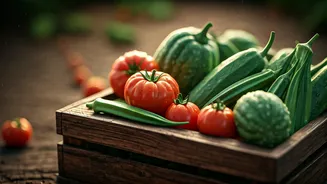




Why the Monsoon is Perfect for Gardening
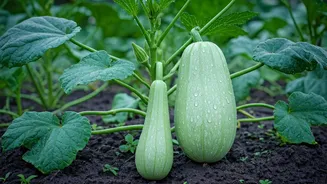
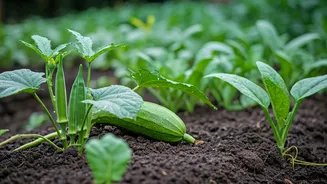
While many associate gardening with bright sunshine, the monsoon offers a unique advantage for budding home gardeners. The high humidity creates a natural greenhouse effect, encouraging lush, rapid growth. The frequent rains mean you'll spend less time
watering your plants, as nature takes care of the hydration. The cooler temperatures are also ideal for a variety of vegetables that might struggle in the scorching summer heat. This season provides a fantastic opportunity for beginners to get their hands dirty and see quick, rewarding results with minimal effort.
Setting Up Your Monsoon Garden
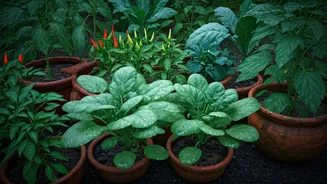
Before you sow your first seed, a little preparation goes a long way. The biggest challenge during the monsoon is not a lack of water, but an excess of it. Good drainage is non-negotiable. Choose pots or containers with plenty of drainage holes at the bottom. You can even add a layer of broken pot pieces or small stones before adding soil to prevent waterlogging. For your soil mix, combine equal parts garden soil, cocopeat (which retains moisture without becoming soggy), and compost or vermicompost. This creates a light, airy, and nutrient-rich medium that will help your plants thrive. Finally, place your containers in a spot that receives at least 4-5 hours of sunlight daily, like a balcony, windowsill, or terrace.
1. Bhindi (Okra)
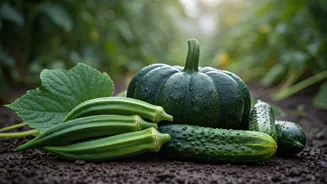
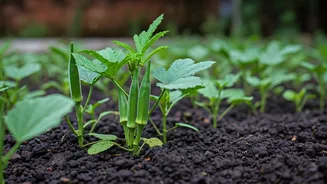
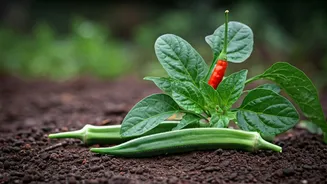
A staple in Indian kitchens, bhindi absolutely loves the warm and humid conditions of the monsoon. It's a hardy plant that grows quickly and starts producing pods in about 45-60 days. Sow seeds directly into a medium-to-large sized pot (around 10-12 inches). Ensure the pot is in a sunny location. Water it when the topsoil feels dry, but be mindful not to overdo it. You’ll soon have a steady supply of tender okra for your favourite curries and stir-fries.
2. Tomatoes
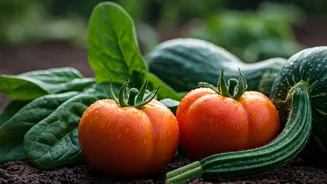
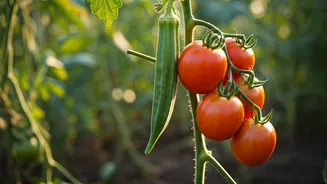
No kitchen garden is complete without tomatoes. While they need sun, monsoon-grown tomatoes are particularly juicy. It’s best to buy saplings from a local nursery to get a head start. Plant them in large pots (at least 12 inches) and provide a stake or trellis for support as the plant grows. Protect the plant from very heavy downpours, as this can damage the flowers and fruit. With a little care, you’ll be harvesting your own tangy tomatoes for salads, sauces, and chutneys.
3. Leafy Greens
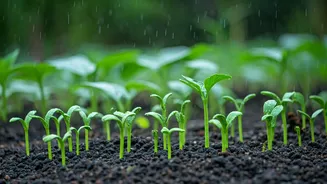
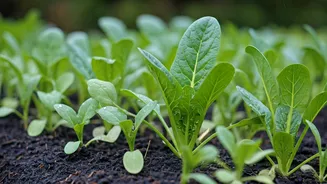
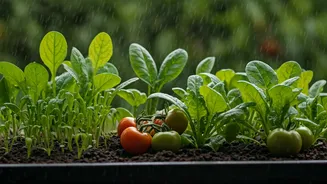
The rainy season is the best time to grow a variety of fast-growing leafy greens. Spinach (palak), amaranth (chaulai), and Malabar spinach (poi saag) are excellent choices. They don't require deep pots; wide, shallow containers work perfectly. Simply scatter the seeds over your prepared soil, cover with a thin layer of soil, and keep it moist. You can start harvesting leaves in as little as 3-4 weeks. This cut-and-come-again method ensures you have fresh greens for your dal or sabzi throughout the season.
4. Brinjal (Eggplant)
Like its cousins, the tomato and chilli, brinjal thrives in the monsoon climate. These plants need a bit more space, so a large container (12-15 inches) is ideal. They require plenty of sunlight and consistent moisture. Planting a sapling is often easier than starting from seed. Keep an eye out for common pests like aphids, and you’ll be rewarded with beautiful, glossy brinjals perfect for bharta or baingan fry.
Monsoon-Specific Care Tips
Gardening in the rains comes with its own set of rules. First, check your soil before watering. If it feels damp, skip watering for the day. Overwatering is the most common reason plants fail during this season. Second, the humidity invites fungal diseases and pests. Ensure good air circulation around your plants and consider spraying a diluted neem oil solution once every 15 days as a preventive measure. Lastly, if your area experiences continuous, heavy rain for days, try to move your smaller pots to a covered patio or under an overhang to give them a break.