






Master Your Dry Storage
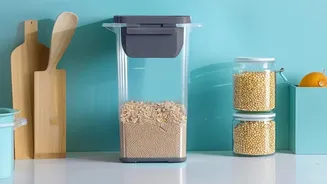
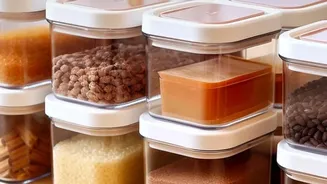
Humidity is the biggest enemy of your pantry staples. Grains, flours, pulses, biscuits, and chips can quickly clump, turn stale, or develop mould. The most crucial first step is to transfer them from their original packaging into completely dry, airtight
containers. Glass or stainless steel jars are excellent choices as they don't absorb odours. For ingredients like salt and sugar that are prone to clumping, adding a few grains of uncooked rice can help absorb excess moisture. For flours and pulses, adding a spoonful of salt or a few dried neem leaves can act as a natural preservative and insect repellent. Store these containers in a cool, dark cabinet, not on the floor where moisture can seep in.
Handle Fresh Produce with Extra Care
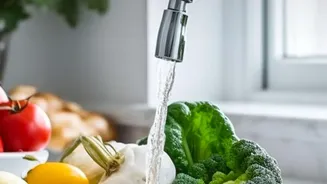
Fruits and vegetables are more susceptible to contamination and spoilage during the monsoon. It’s wise to buy them in smaller quantities more frequently. Before storing, wash all produce thoroughly under clean, running water to remove dirt and microbes. Pay special attention to leafy greens, ensuring they are completely dry before refrigeration; wrapping them in paper towels can help absorb lingering moisture. Never store wet vegetables, as this accelerates rot. Storing chopped vegetables or cut fruits in airtight containers in the fridge is the best way to maintain their freshness. It's also a good idea to slightly lower your refrigerator's temperature, as it has to work harder in the humid weather.
Protect Your Spices and Oils
Spices lose their potent aroma and flavour quickly when exposed to moisture. Keep your main stock in airtight jars in a dark cabinet, away from the heat and steam of the stove. For daily use, a small steel masala dabba is ideal, which you can refill weekly. Always use a completely dry spoon to scoop out spices, and never shake the jar directly over a steaming pot. Similarly, cooking oils can degrade faster with exposure to humid air. Opt for smaller bottles during the monsoon, keep them tightly sealed, and store them away from sunlight and heat sources like the stove or a window.
Maintain Impeccable Kitchen Hygiene
A clean kitchen is your best defence against pests and bacteria that thrive in damp conditions. Make it a habit to wipe down countertops and dry the sink after every use to prevent moisture buildup and mould growth. Use separate cutting boards for raw meat and vegetables to avoid cross-contamination. Damp kitchen cloths can become breeding grounds for bacteria, so replace them regularly. Ensure your dustbin has a tight-fitting lid and is emptied daily to cut off access for pests like ants and cockroaches. Good ventilation is also key; run your exhaust fan while cooking and open a window for about 15 minutes daily to reduce overall humidity.
Keep Unwanted Pests Away
The rainy season often invites a host of insects and pests into the kitchen. The primary strategy to combat them is to eliminate their food sources. Beyond keeping all food in sealed containers and maintaining a clean space, you can use natural repellents. Placing dried bay leaves, cloves, or camphor balls in cabinets and corners can help deter ants and cockroaches. For lentils and beans, adding a few whole dried red chillies to the container is an age-old trick to keep insects at bay. Finally, check for and seal any gaps or cracks around pipes or under cabinets to block potential entry points for pests.