




The Science of a Satisfying Breakfast
Why does one breakfast leave you hungry in an hour, while another keeps you energised for hours? The answer lies in its nutritional makeup, specifically the balance of protein, fibre, and carbohydrates. Many typical breakfast choices, like buttered white
toast, sugary cereals, or even some rich parathas, are high in simple carbohydrates. These are digested quickly, causing a rapid spike in blood sugar followed by a sharp crash. That crash is what triggers fatigue, irritability, and those powerful cravings for a quick energy fix, usually in the form of more sugar or refined snacks. In contrast, a breakfast rich in protein and fibre slows down digestion. This leads to a more gradual and sustained release of energy, keeping blood sugar levels stable and promoting a feeling of fullness—also known as satiety—that lasts until your next meal. This simple principle is the key to curbing mid-day snacking habits before they even start.
Swap This: Fried Snacks and Toast
Many quick breakfasts, such as deep-fried items like medu vada or simple white bread with butter and jam, offer very little in terms of lasting nutritional value. They are often made from refined flours and are high in unhealthy fats and simple sugars. While delicious, they digest rapidly, leading to the classic mid-morning energy slump and subsequent hunt for snacks. The quick satisfaction they provide is fleeting, leaving your body's energy needs unmet and setting you up for a cycle of cravings.
For That: Steamed Idli with Sambar
A plate of soft, steamed idlis with a bowl of vegetable-laden sambar is a classic South Indian breakfast that perfectly illustrates the principle of slow-release energy. Idlis are made from a fermented batter of rice and urad dal, making them light and easy to digest. The fermentation process also enhances their nutritional profile. Paired with sambar, which is packed with lentils (a great source of plant-based protein) and vegetables (providing essential fibre), the meal becomes a powerhouse of balanced nutrition. A typical serving of two idlis with sambar provides a good amount of protein and fibre, keeping you full and energised for a fraction of the calories of a fried alternative.
Swap This: Sweetened Cereals
Packaged breakfast cereals, especially those marketed towards children, are often loaded with hidden sugars and made from refined grains. They lack the protein and fibre necessary to keep you full. The initial sweet taste and crunch are appealing, but they lead to a quick blood sugar spike and an inevitable crash. This leaves you feeling sluggish and reaching for another snack well before lunchtime, defeating the purpose of a wholesome start to the day.
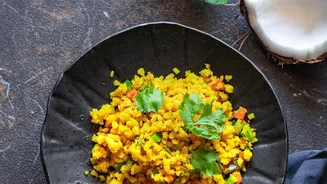
For That: Vegetable Poha
Hailing from Western India, poha (flattened rice) is a wonderfully light yet filling breakfast option. It is a source of healthy, complex carbohydrates that provide a steady release of energy. Because it's rich in fibre, it promotes a slow release of sugar into the bloodstream, preventing sudden spikes. Poha is also incredibly versatile. When cooked with vegetables like peas, onions, and carrots, and garnished with peanuts, its fibre and protein content increases, enhancing its ability to keep you satisfied. A squeeze of lemon on top not only adds flavour but helps with the absorption of iron, another nutrient poha is rich in.
Swap This: Aloo Paratha with Butter
While a beloved North Indian breakfast, the traditional aloo paratha can often be heavy on refined flour and potatoes, and is frequently cooked with a generous amount of oil or butter. While comforting, this combination can be high in calories and simple carbs without a significant protein counterpoint, leading to a heavy feeling and potential energy dip later on.
For That: Moong Dal Chilla
A fantastic alternative is the Moong Dal Chilla, a savoury pancake made from ground moong dal (split mung beans). This breakfast is a protein superstar, as moong dal is one of the best plant-based sources of protein. Protein is crucial for satiety, helping you feel fuller for longer on fewer calories. These chillas are also rich in fibre, aid in digestion, and have a low glycemic index, meaning they help regulate blood sugar levels effectively. You can stuff them with grated paneer or vegetables to further boost their protein and nutrient content, making for a powerful, appetite-curbing start to your day.