

The Foundation: Choose a Regional Theme
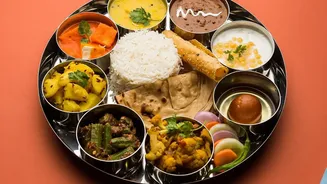
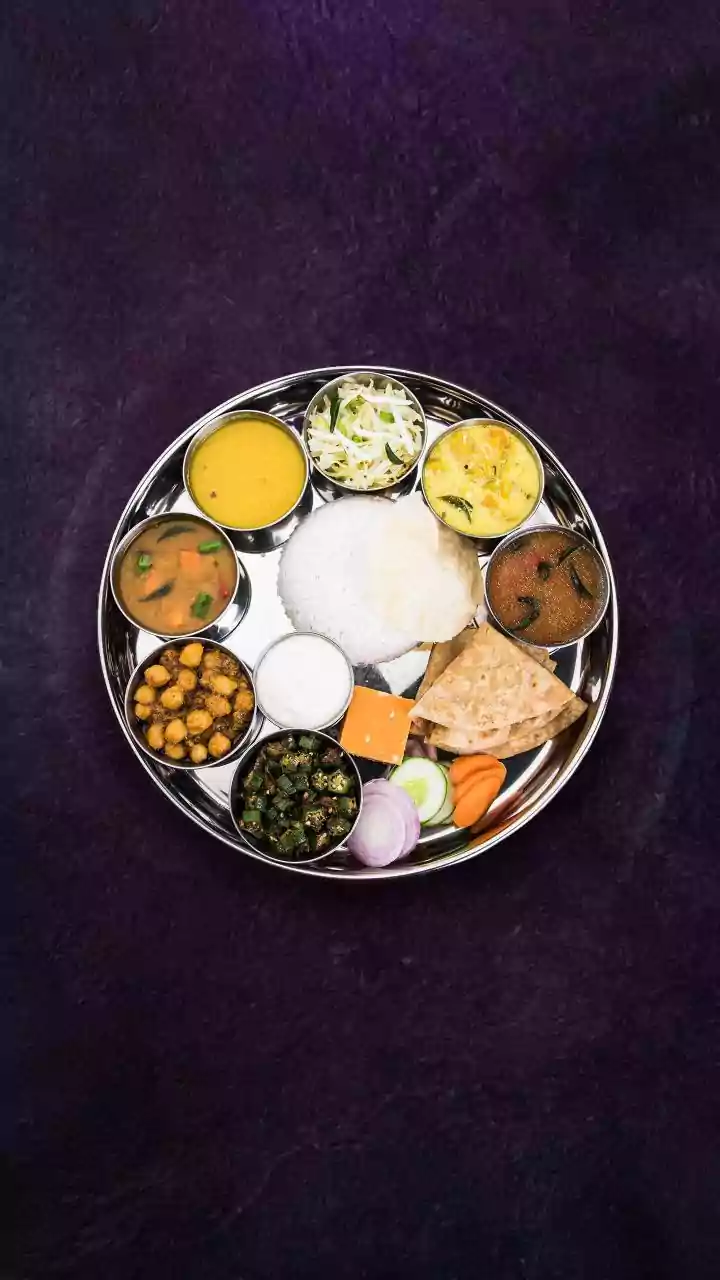
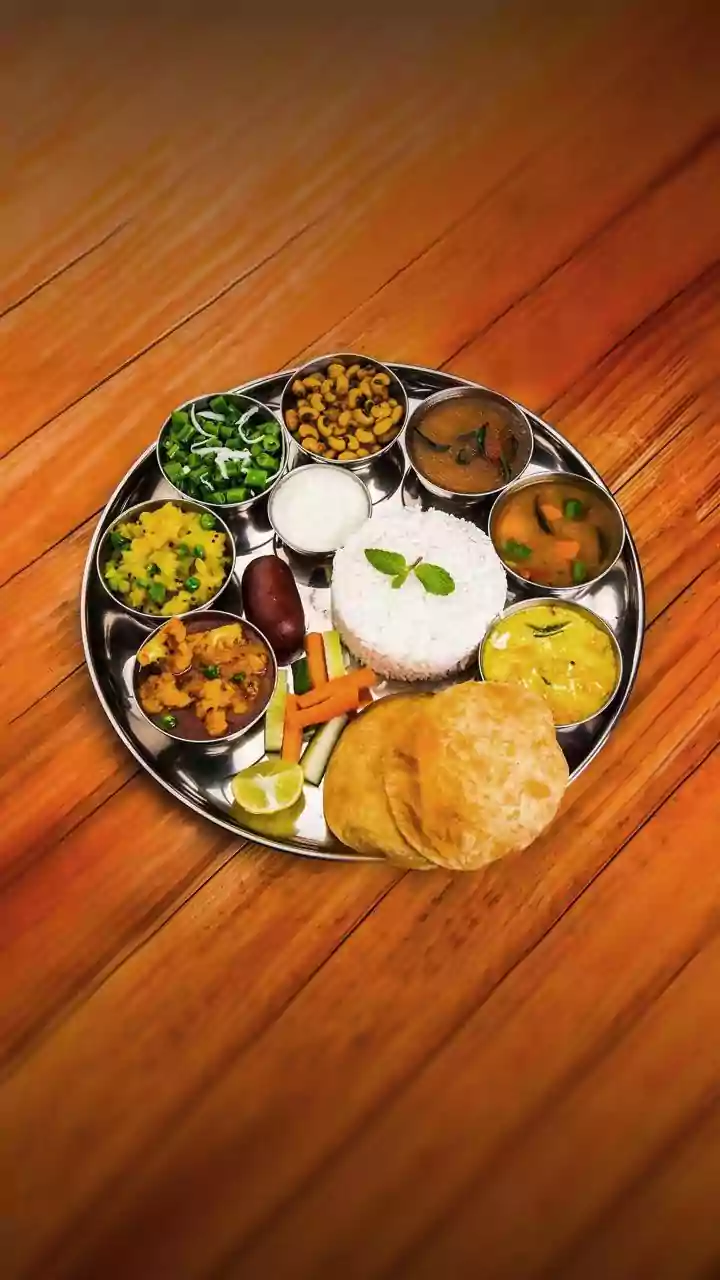
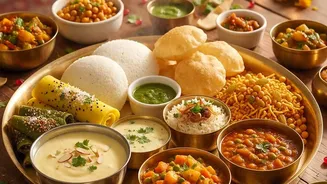
The key to a memorable Indian meal is cohesion. Instead of picking dishes randomly, anchoring your menu to one region creates a harmonious dining experience. For a festive and widely loved spread, let's focus on North Indian cuisine, particularly from
the Punjab region. This style is known for its rich, hearty gravies, tandoori-style starters, and luxurious breads. Sticking to this theme ensures that the spice profiles, textures, and ingredients complement each other, taking your guests on a curated culinary journey from the first bite to the last.
Step 1: A Smoky, Sizzling Appetizer
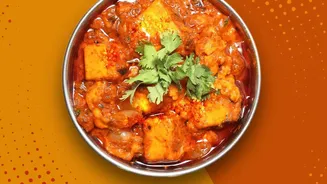
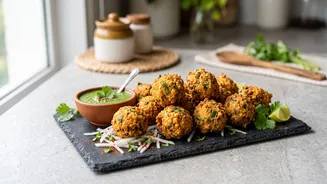
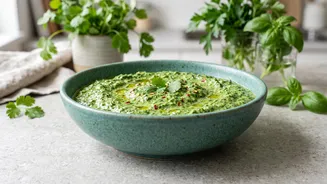
Start the meal with a 'dry' appetizer that wakes up the palate without being too filling. Paneer Tikka is an excellent choice. Cubes of firm cottage cheese are marinated in a spiced yogurt mixture and then grilled or baked until slightly charred. The smoky flavour is a perfect introduction to the rich meal ahead. Another fantastic option is Hara Bhara Kebab, a pan-fried patty made from spinach, peas, and potatoes, offering a milder but equally delicious start. Serve your chosen starter with mint-coriander chutney for a fresh, tangy contrast.
Step 2: The Main Event – A Duo of Curries
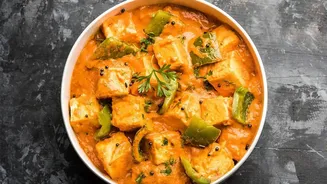
For the main course, a successful strategy is to offer two distinct curries: one creamy and rich, the other more robust and spiced. For the creamy option, a paneer dish like Shahi Paneer (in a mild, nutty, cream-based gravy) or the ever-popular Paneer Butter Masala is a must. To balance this richness, pair it with a hearty legume-based curry. Chana Masala, a flavourful chickpea curry with a tomato and onion base, provides a wonderful contrast in both taste and texture. This pairing ensures there's something to please every palate.
Step 3: The Supporting Star – Dal Makhani
No North Indian festive meal is complete without a signature dal. Dal Makhani is the undisputed king for special occasions. Made from black lentils and kidney beans, this dal is slow-cooked for hours with butter and cream until it becomes incredibly rich and velvety. Its deep, earthy flavour is profoundly comforting and serves as a luxurious base that ties the entire main course together. While other dals are wonderful for everyday meals, Dal Makhani's decadent character signals that this is a celebration.
Step 4: Essential Breads and Rice
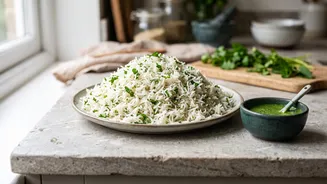
You'll need breads to scoop up the delicious gravies and a rice dish to round out the meal. For bread, you can't go wrong with soft, fluffy Naan, which you can even buy ready-made and warm up on a tawa. If you're feeling more ambitious, homemade Lachha Paratha (layered, flaky flatbread) is another showstopper. For the rice component, a simple Jeera Rice (basmati rice tempered with cumin seeds) is perfect, as its subtle flavour won't compete with the curries. Alternatively, a Vegetable Pulao, cooked with whole spices and mixed vegetables, can add another layer of festive flair.
Step 5: The Cooling Counterpoints
With so many rich and spiced dishes, it's crucial to have cooling elements on the table. A raita is non-negotiable. Boondi Raita, made with yogurt and tiny fried gram-flour balls, is a classic choice that adds texture and a tangy coolness. You can also opt for a simple cucumber and mint raita. Alongside the raita, a fresh salad like Kachumber—a simple mix of chopped onions, tomatoes, and cucumbers with a lemon-chilli dressing—provides a crisp, refreshing crunch that cuts through the richness of the main dishes.
Step 6: A Sweet and Satisfying Finale
End the meal on a sweet note with a classic Indian dessert. The best festive desserts are often those that can be prepared in advance, saving you stress on the day of the party. Gajar ka Halwa, a warm pudding of grated carrots slow-cooked in milk and ghee, is a seasonal favourite in winter. Another excellent choice is Gulab Jamun—soft, milk-based dumplings soaked in a fragrant sugar syrup. Both are beloved classics that provide a perfectly sweet and comforting conclusion to your grand festive dinner.