

The Battle Against Dry Air
Many of the most popular houseplants, like ferns, orchids, and calatheas, originate from tropical regions where humidity is consistently high. Our modern homes, however, especially when heated in the winter, often have very dry air. This lack of moisture
can cause stress for these plants, leading to symptoms like browning leaf tips, curling leaves, and a generally unhappy appearance. While you could invest in a room humidifier or commit to daily misting, a humidity tray offers a low-tech, low-maintenance, and targeted solution to give your plants the local moisture boost they crave.
Gather Your Supplies
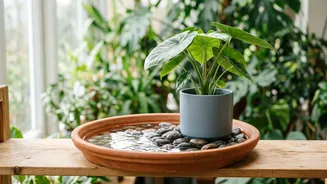
Creating a humidity tray requires just three basic items that you may already have at home. The whole assembly is incredibly straightforward and budget-friendly. You will need: a shallow, waterproof tray or saucer that is wider than your plant's pot; a layer of small pebbles, gravel, or decorative stones; and regular tap water. The tray can be a simple plant saucer, a baking dish, or even a repurposed container, as long as it holds water. The pebbles serve the crucial role of elevating your plant, so any small, clean rocks will do.
The Five-Minute Setup Guide
True to its promise, setting up your humidity tray is a quick and simple process. First, rinse your pebbles and spread them in an even layer across the bottom of your tray, about an inch deep. Second, pour water into the tray until the level is just below the top of the pebbles. This is the most important step; the tops of the pebbles must remain dry. Finally, place your potted plant directly on top of the pebbles. That's it. The entire process from start to finish should take no more than five minutes, providing an instant upgrade to your plant care routine.
How It Works and Best Practices
The science behind a humidity tray is simple evaporation. The water in the tray slowly evaporates, creating a small pocket of humid air—a microclimate—directly around your plant's foliage. This provides a consistent source of moisture without the need for constant attention. The key to success is ensuring the plant pot sits on the pebbles, not in the water. If the pot's drainage holes are submerged, the soil will become waterlogged, leading to root rot, which is the very problem the tray is designed to avoid. You will need to top up the water every few days as it evaporates. Also, it's a good practice to clean the tray and pebbles every few weeks to prevent algae growth.
Which Plants Will Thank You?
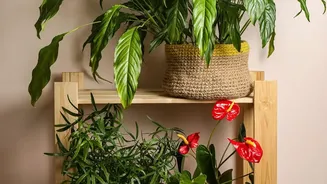
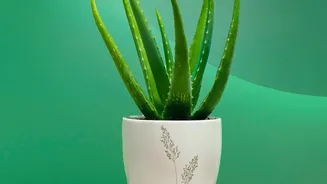
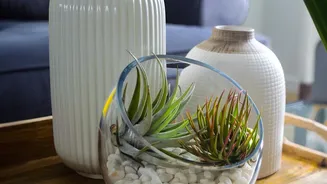
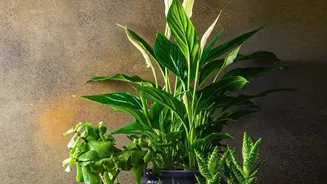
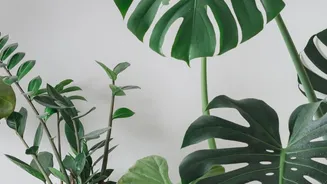
While nearly all plants appreciate some level of humidity, some benefit more from a tray than others. Tropical plants are the prime candidates. Ferns (especially Boston and maidenhair ferns), orchids, calatheas (prayer plants), and Alocasias will show their gratitude with lusher, healthier foliage. Other plants that respond well to the extra moisture include Monsteras, philodendrons, peace lilies, and many types of begonias. On the other hand, plants adapted to arid conditions, such as succulents and cacti, do not need or want the extra humidity and should be kept in drier conditions.