





An Antidote to Monsoon Gloom
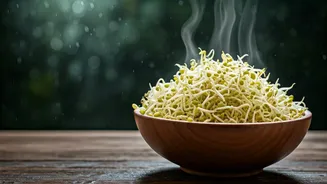
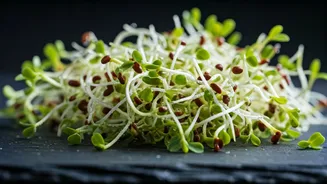
When the skies are grey and the air is damp, our bodies often crave comfort food, which in India usually means something deep-fried and heavy. While delicious, a constant diet of samosas and bhajiyas can leave you feeling lethargic. This is where sprouts
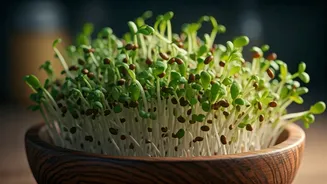
come in. They offer a delightful crunch and a burst of freshness that cuts through the richness of traditional rainy-season fare. More importantly, they are incredibly light on the digestive system, which tends to be weaker during this season. Incorporating sprouts provides a much-needed balance, ensuring your meals are both satisfying and revitalising, helping you stay energetic despite the gloomy weather.
A Natural Immunity Booster
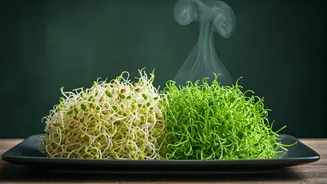
The monsoon is notorious for bringing a host of infections, from the common cold to stomach bugs. Building a strong immune system is your first line of defence, and sprouts are a nutritional powerhouse to help you do just that. The process of germination dramatically increases the vitamin content of legumes and seeds. Sprouts are particularly rich in Vitamin C, a crucial antioxidant for fighting off infections. They are also packed with other essential nutrients like Vitamin K, folate, protein, and fibre. By adding a handful of sprouts to your daily diet, you are giving your body a potent dose of vitamins and minerals that strengthen its natural defences, making you less susceptible to seasonal illnesses.
Your Guide to Sprouting at Home
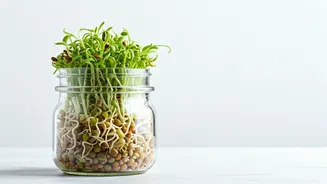
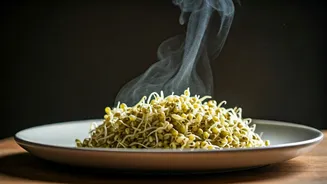
One of the biggest concerns during the monsoon is the risk of water-borne diseases from contaminated food. Making sprouts at home is an easy and safe way to ensure you are eating clean. All you need are whole legumes like moong, moth (matki), or kala chana. First, wash the beans thoroughly and soak them in clean water for about 8-10 hours, or overnight. The next morning, drain the water completely and transfer the soaked beans to a muslin cloth or a sprouting jar. Tie the cloth loosely or cover the jar and keep it in a warm, dark place. Rinse them once or twice a day to keep them moist. Within 24-48 hours, you will see small white shoots emerging. Your fresh, homemade sprouts are ready to eat!
Beyond the Simple Salad
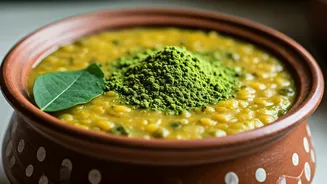
While a simple sprout salad is a great option, Indian cuisine offers countless creative ways to enjoy them. For a zesty snack, make a classic sprout chaat by mixing sprouts with chopped onions, tomatoes, coriander, and a squeeze of lime, seasoned with chaat masala. You can also add a handful of sprouts to your morning poha or upma for an extra crunch and protein boost. For a more substantial meal, cook them into a delicious curry like the famous Maharashtrian Misal, served with pav. Another fantastic idea is to grind sprouts into a paste and add them to your dosa or cheela batter, making your breakfast both tastier and more nutritious. These methods also involve light cooking, which is often recommended during the monsoon for better digestion and safety.
Tips for Safe Consumption
While sprouts are incredibly healthy, it's wise to take a few precautions, especially during the rainy season. The warm, humid conditions ideal for sprouting can also encourage bacterial growth. Always start with clean legumes and use filtered water for soaking and rinsing. It's generally recommended to lightly steam or cook sprouts before eating them during the monsoon. A quick stir-fry or blanching them in hot water for a minute is enough to eliminate any potential pathogens without destroying all the nutrients. Avoid eating raw sprouts that have been stored for too long or that look or smell off. Freshness is key to enjoying both the taste and health benefits safely.