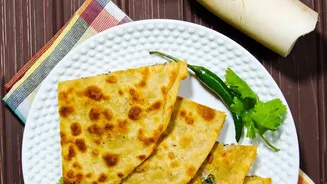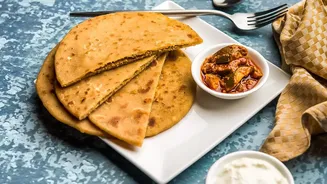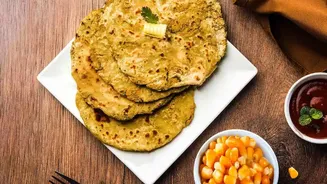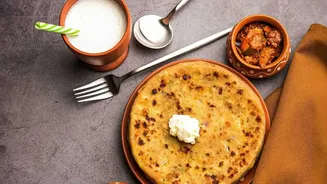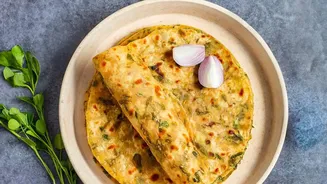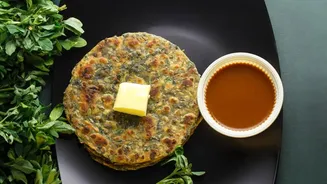



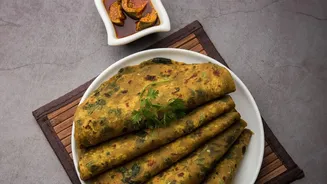

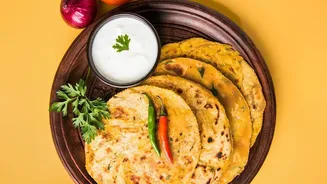
As winter's chill sets in, our kitchens call for warmth and comfort. What if you could blend the classic, beloved paratha with the wholesome goodness of seasonal produce? This Jowar Mooli Paratha does just that, offering a healthy twist on a classic.
A Healthy Winter Combination
The Jowar Mooli Paratha isn't just another flatbread; it's a smart and delicious way to embrace winter's best offerings. This paratha brings together two nutritional powerhouses: jowar, a gluten-free millet, and mooli, or radish, a quintessential winter vegetable. In Indian households, the paratha is a breakfast staple, a tiffin favourite, and a comfort food all rolled into one. By swapping traditional wheat flour for jowar and incorporating mooli, you're not just making a meal — you're upgrading it. The result is a dish that is both rustic and modern, delivering complex carbohydrates for sustained energy and a host of vitamins and minerals. It’s the kind of meal that warms you from the inside out, perfectly suited for a cold morning.
Embracing the Wonder-Grain: Jowar
Jowar, also known as sorghum, is an ancient grain that has regained popularity for its impressive health profile. Being naturally gluten-free, it's an excellent option for those with gluten sensitivity or celiac disease. Jowar is packed with dietary fibre, which aids digestion, prevents constipation, and helps you feel full for longer, making it a great ally for weight management. This fibre also plays a role in managing blood sugar levels by slowing down the absorption of sugar into the bloodstream. Furthermore, jowar is a good source of essential nutrients like magnesium, iron, phosphorus, and B vitamins. The antioxidants found in jowar can help reduce inflammation in the body.
The Magic of Mooli
Mooli, or radish, is often relegated to salads, but in this paratha, it truly shines. Especially beneficial during winter, mooli is known to boost immunity thanks to its high Vitamin C content. This helps the body fight off common colds and flu that are prevalent during the season. It is also excellent for digestion, as its high fibre content promotes regular bowel movements and can alleviate bloating. For those watching their heart health, mooli is a great addition to the diet as it is rich in potassium, which helps regulate blood pressure. When cooked, its sharp, peppery flavour mellows into a subtle sweetness that perfectly complements the earthy taste of jowar.
Your Step-by-Step Guide
For the ingredients, you will need: 1.5 cups of jowar (sorghum) flour, 1 cup of grated radish (mooli), 1-2 finely chopped green chillies, 1 teaspoon of ginger paste, a handful of chopped coriander leaves, ½ teaspoon of carom seeds (ajwain), salt to taste, and warm water for kneading. A little oil or ghee for cooking is also needed. For the method: First, prepare the radish. Grate it, sprinkle with a little salt, and set it aside for about 10 minutes. This will cause it to release water. Squeeze out all the excess water thoroughly; this is crucial to prevent the dough from becoming too sticky. In a large bowl, combine the jowar flour, the squeezed radish, green chillies, ginger paste, coriander leaves, carom seeds, and salt. Mix well. Now, add warm water gradually and knead to form a soft, pliable dough. Jowar dough needs to be kneaded well for a few minutes until it is smooth. Divide the dough into equal-sized balls. On a rolling board or a piece of parchment paper, flatten a ball and roll it out gently into a 4-5 inch circle. Since jowar flour is gluten-free, the edges might crack a little. Heat a tawa or griddle on medium heat. Place the paratha on the hot tawa. Cook for a minute until small bubbles appear, then flip. Apply a little ghee or oil and cook the other side. Press gently with a spatula to ensure it cooks evenly. Cook until both sides have golden-brown spots. Serve hot.
Tips for the Perfect Paratha
Working with jowar flour can be tricky for beginners. The key to a soft dough is using warm or hot water, which helps the flour bind better. Knead the dough while it is still warm for best results. If you find the dough difficult to roll, you can place the dough ball between two sheets of parchment paper and then roll it out; this prevents sticking and breaking. Don’t roll the parathas too thin, as they might break when you lift them. A slightly thicker paratha holds together better. Another popular technique is to pat the dough into a circle using your fingertips on a moistened plastic sheet or banana leaf. Most importantly, serve these parathas immediately after cooking. They taste best when hot and fresh, paired with a dollop of white butter, some tangy pickle, or a bowl of cool curd.