




The Great Rain Shadow Escape
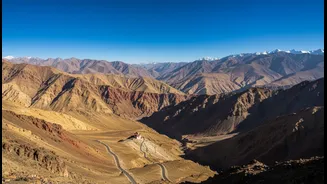
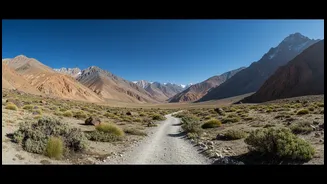
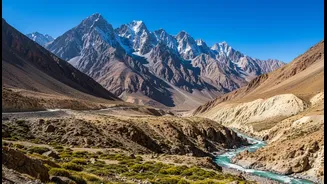
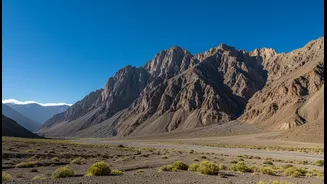
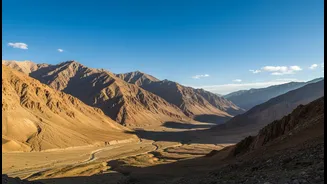
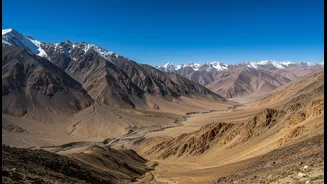
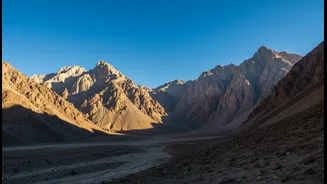
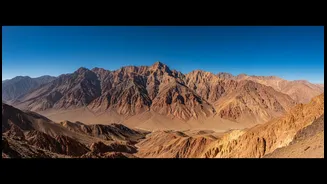
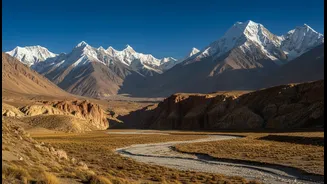
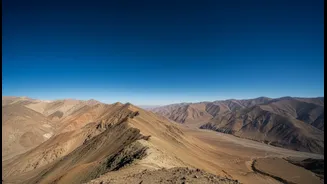
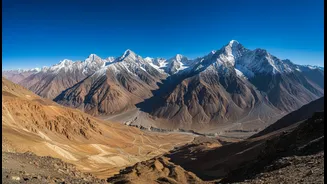
While the rest of the subcontinent is drenched by the southwest monsoon, Ladakh and Spiti Valley remain strikingly dry. This is due to their unique geographical location in the rain shadow of the great Himalayan range. The towering peaks act as a colossal
barrier, blocking moisture-laden clouds from reaching these high-altitude cold deserts. The result is a travel window from June to September when these regions experience pleasant daytime temperatures, clear skies, and minimal rainfall, making it the perfect time for exploration while other destinations face downpours and floods.
Ladakh: Land of High Passes and Lapis Lazuli Lakes
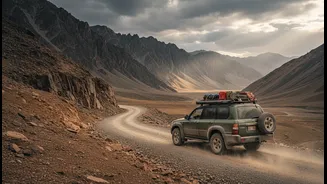
July and August are peak season in Ladakh for a reason. With mountain passes like Khardung La clear and road access from both Manali and Srinagar typically open, the entire region is accessible. This is when the stark landscape is at its most welcoming, with daytime temperatures in Leh hovering between 20-25°C. It's the ideal time for adventure, from thrilling white-water rafting on the Zanskar and Indus rivers to epic road trips. The iconic Pangong Tso and Tso Moriri lakes shimmer in brilliant shades of blue under the summer sun, and the remote Nubra Valley, with its sand dunes and double-humped camels, becomes a must-visit. Several vibrant monastery festivals, like the Hemis Tsechu, often take place during this period, offering a deep dive into the region's rich Buddhist culture.
Spiti: A World Within a World
If Ladakh is a kingdom, Spiti is a world within a world—more remote, raw, and untouched. Situated in Himachal Pradesh, Spiti is also in a rain shadow and stays largely dry during the monsoon months. The primary routes to Spiti are via Shimla and Kinnaur (a longer, more stable road) or from Manali via the Kunzum Pass (a shorter, more adventurous route that opens only in summer). July and August are excellent months to visit, as all roads within the valley are usually open. You can explore ancient monasteries like Key, Tabo, and Dhankar, perched precariously on cliffs, and visit some of the highest inhabited villages in the world, such as Komic and Langza. The landscape feels more intimate than Ladakh's, offering a profound sense of solitude and connection to nature.
Which High-Altitude Desert Is for You?
Choosing between Ladakh and Spiti depends on your travel style. Ladakh is generally more accessible, thanks to direct flights to Leh, and offers a wider range of hotels and tourist facilities, making it a better choice for first-timers or families. Spiti, on the other hand, requires a long road journey and provides a more rugged, off-the-beaten-path experience with homestays and guesthouses forming the bulk of accommodation. While both offer breathtaking monasteries and landscapes, Ladakh's are often on a grander, more dramatic scale, whereas Spiti’s charm lies in its remoteness and stark, quiet beauty. The approach roads to both can be challenging during monsoon, with risks of landslides on the access routes, even if the valleys themselves are dry.
Practicalities and Planning Your Trip
A trip to either destination requires careful planning. Acclimatization is non-negotiable. Due to the high altitude (Leh is at 3,500m), you must spend at least 48 hours at your arrival altitude before ascending further to prevent Acute Mountain Sickness (AMS). For Indian tourists, permits are straightforward. In Ladakh, you need to pay an environment fee online to get a receipt that is checked at various posts. In Spiti, Indian nationals do not require a permit for most areas. Pack layers, as temperatures can drop significantly at night, even in summer. Sunscreen, sunglasses, and a hat are essential to protect against the harsh high-altitude sun. Always check road status before and during your journey, as conditions can change quickly.