



A Shield of Shade
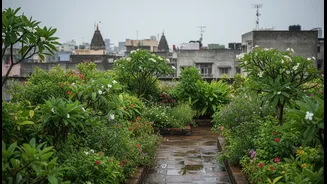
The most straightforward way a terrace garden cools a roof is by providing shade. A bare concrete or asphalt roof absorbs a massive amount of solar radiation, heating up to temperatures significantly higher than the surrounding air. This stored heat then
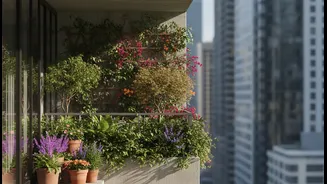
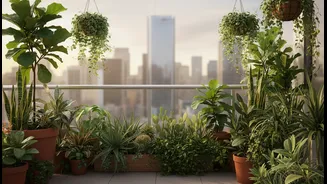
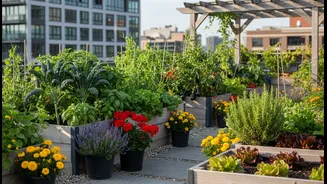
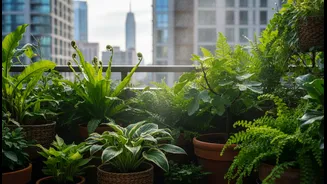
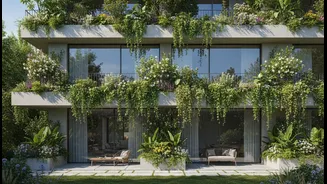
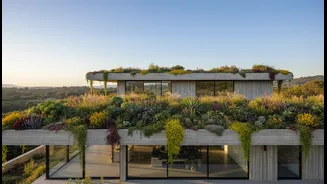
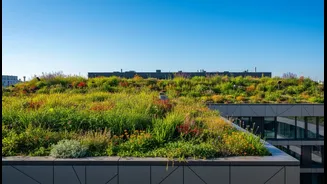
radiates down into the building, making rooms uncomfortably warm. A layer of vegetation, from simple grasses to leafy vegetable plants and small shrubs, creates a physical barrier. The plant canopy intercepts the direct sunlight before it can strike the roof surface, preventing the initial heat absorption. Studies have shown this shading effect alone can dramatically lower the roof's surface temperature.
Nature's Air Conditioner: Evapotranspiration
This is where the real magic happens. Plants have a built-in cooling mechanism called evapotranspiration. They draw water up from the soil through their roots and then release it as water vapour through tiny pores in their leaves. This process of converting liquid water to gas requires energy, which the plants draw from their surroundings in the form of heat. The result is a cooling effect on the leaves and the immediate surrounding air. A thriving terrace garden acts like a collective of tiny, efficient swamp coolers, actively lowering the ambient temperature on and around your roof. This process can lower air temperatures by several degrees, making a tangible difference to the microclimate of your home.
An Insulating Blanket of Soil
The cooling effect isn't just from the plants themselves; the soil they grow in plays a crucial role. The layer of growing medium (soil, compost, and other materials) acts as a powerful insulator. While not as effective as specialised insulation foam, soil has a much lower thermal conductivity than concrete. This means it slows down the transfer of heat. During a hot day, the soil layer absorbs and buffers the heat, preventing it from quickly penetrating the concrete roof slab below. The deeper the soil, the greater the insulating effect. This thermal mass also works in reverse, helping to retain warmth during cooler winter months.
Combating the Urban Heat Island
On a larger scale, terrace gardens help fight the "urban heat island" effect. Cities, with their vast expanses of heat-absorbing concrete and asphalt, are often several degrees warmer than surrounding rural areas. Each terrace garden contributes to a network of green spaces that can collectively lower city-wide temperatures. By replacing a heat-radiating surface with a cool, green one, you are not only improving your own comfort but also contributing to a more liveable urban environment for everyone. These gardens also improve air quality by filtering pollutants and support urban biodiversity by providing habitats for pollinators like bees and butterflies.
Making It Work: Key Considerations
Before you start hauling bags of soil to your roof, there are important practical steps. The first is to ensure your roof is properly waterproofed with a durable membrane to prevent any leaks. A root barrier is also essential to stop plant roots from damaging the structure. It is also vital to assess the roof's structural load-bearing capacity to ensure it can handle the weight of wet soil, plants, and pots. Using lightweight growing media like cocopeat and perlite can help manage the load. For best results, choose hardy, drought-tolerant plants suited to your local climate, and consider a drip irrigation system for efficient watering.