




The Fabric Fallacy: Why Cotton and Denim Fail
For months, we’re told that cotton is king, but the monsoon dethrones it with ease. Heavy cotton and denim are two of the worst offenders during the rainy season. They absorb and retain a tremendous amount of water, taking hours to dry in the humid air
and often developing a musty odour. This leaves you feeling damp, heavy, and uncomfortable long after you’ve stepped indoors. Even lighter cottons, while better, can struggle in prolonged downpours, becoming translucent and clinging unpleasantly. The solution isn't to abandon natural fibres entirely but to be smarter about our choices. A shift towards utility is a move towards fabrics engineered to handle moisture.
The Rise of Performance Fabrics
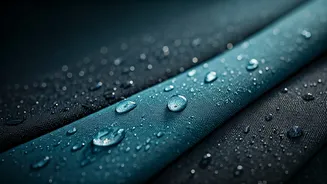
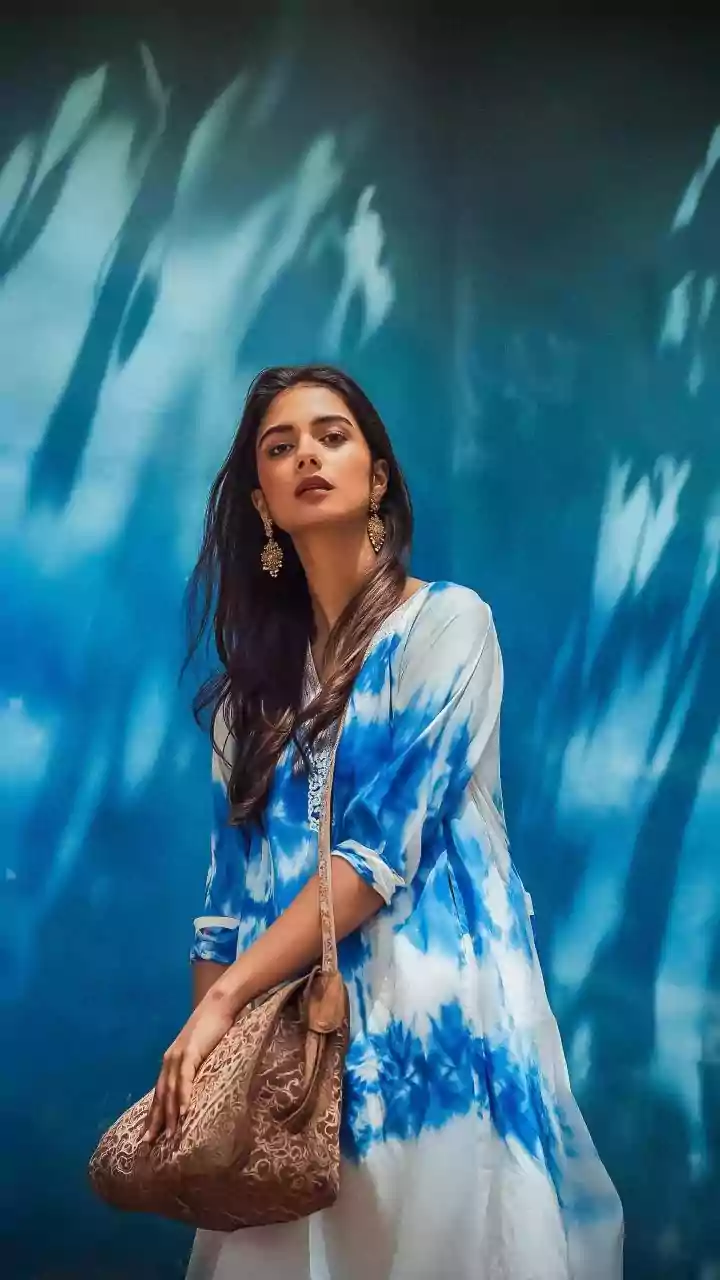
The future of monsoon fashion lies in performance-oriented materials that prioritize function. Look for fabrics like polyester blends, nylon, rayon, and crepe. These materials are inherently better at handling the rain because their synthetic fibres don't absorb water; they repel it. This means they dry significantly faster—often in under an hour—and resist wrinkling or losing their shape when wet. For those who prefer natural-feel fabrics, options like Tencel (Lyocell), bamboo, and cotton-linen blends offer a great compromise. Tencel is exceptional at managing moisture and dries quickly, while linen, despite wrinkling, is surprisingly fast-drying and breathable in high humidity. Modern brands are also introducing proprietary quick-dry and moisture-wicking fabrics, designed specifically for the heat and humidity of the Indian climate, making them perfect for monsoon wear.
Footwear First: A Foundation for Dry Feet
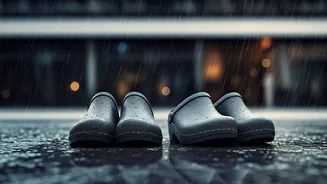
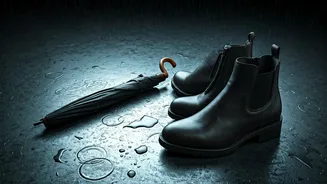
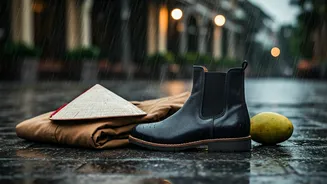
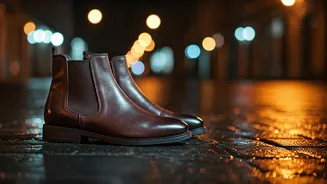
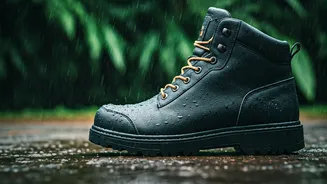
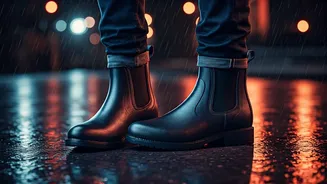
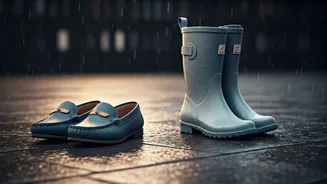
Perhaps the most critical monsoon upgrade is footwear. Leather warps, suede stains permanently, and canvas sneakers become waterlogged disasters. The streets demand shoes made from materials like rubber, EVA (Ethylene Vinyl Acetate), Croslite™, and PVC. These materials are completely waterproof, easy to clean, and, most importantly, often feature anti-slip soles with deep grooves for better grip on treacherous, mossy pavements. Brands have moved beyond clunky gumboots, now offering stylish waterproof sandals, sliders, and even sneakers made from these durable materials. An open-toed design like a floater or sandal is often more practical for daily commutes as it allows water to drain and your feet to dry faster, reducing the risk of fungal infections.
Smarter Silhouettes and Strategic Accessories
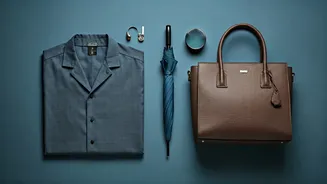
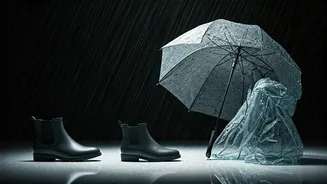
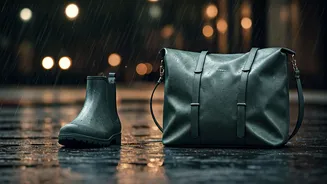
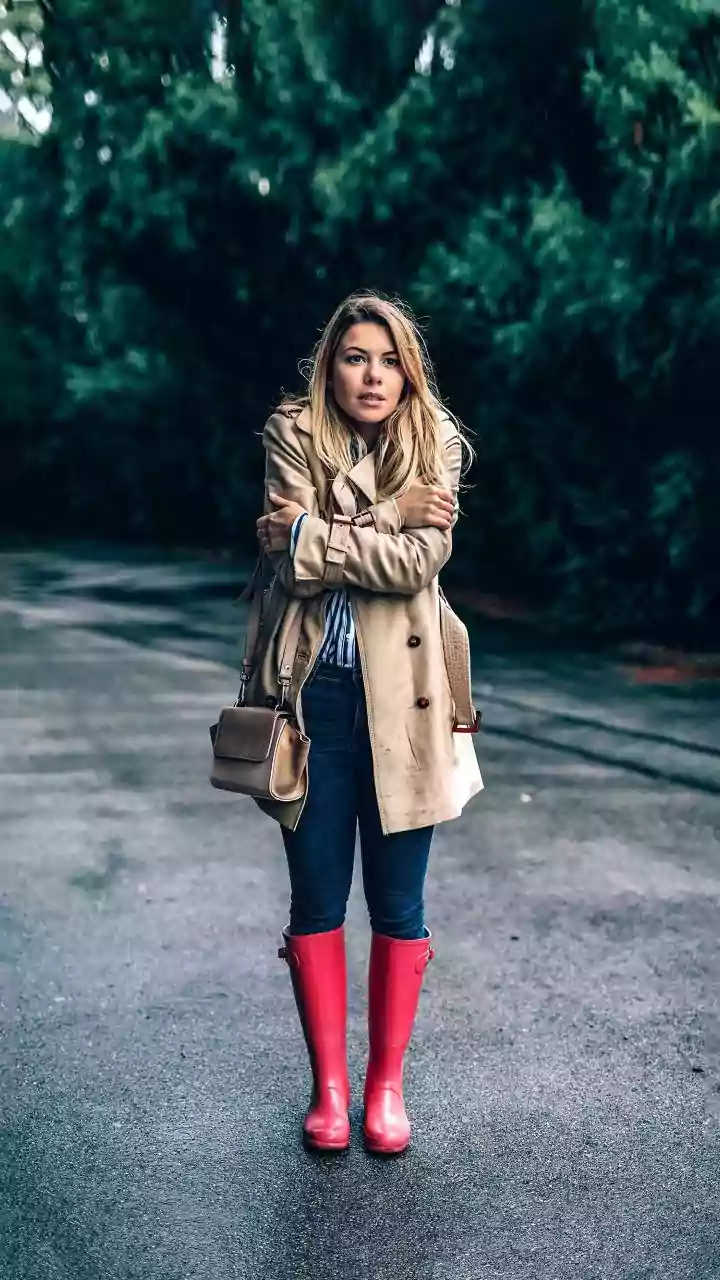
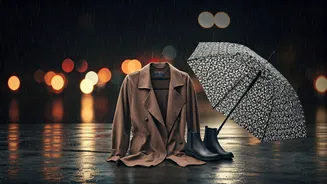
Utility extends beyond fabric to the very cut of our clothes. The monsoon is the time to embrace shorter hemlines. Cropped pants, culottes, shorts, and knee-length dresses or kurtis are your best friends, saving you from the dreaded splashback from puddles and muddy streets. Avoid long, flowing dupattas or trousers that can drag through dirty water. Instead, opt for relaxed but tailored fits that allow for air circulation without being overly baggy, which can trap moisture. The humble umbrella is no longer the only line of defence. A stylish, truly waterproof raincoat or parka is a worthy investment. Modern rain jackets are made from breathable, laminated fabrics like Gore-Tex or other proprietary membranes that keep rain out while letting sweat escape, ensuring you stay dry from the inside and out. Paired with a waterproof tote or backpack, these functional pieces complete a wardrobe that is finally, truly ready for the rain.