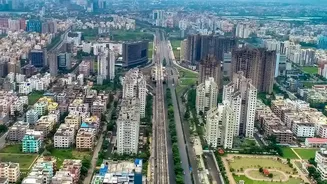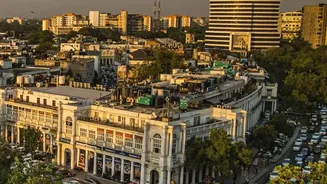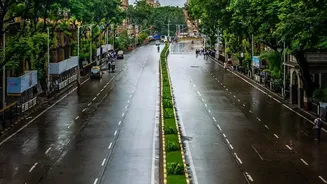








For decades, life in major Indian cities has been defined by traffic. Now, a growing movement to create pedestrian plazas is reclaiming streets for people, aiming to improve not just commute times, but our overall quality of life.
Reclaiming Streets From Urban Chaos
Ask anyone living in a major
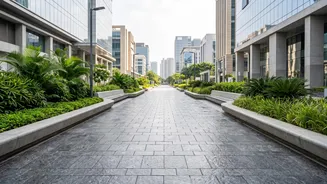
Indian metropolis about their daily frustrations, and traffic is bound to top the list. Our cities have long been designed to prioritize the movement of vehicles, leading to congested roads, hazardous noise and air pollution, and a lack of safe public spaces. Sidewalks, where they exist, are often broken, encroached upon by vendors or parked vehicles, or simply disappear, forcing people to walk on dangerous carriageways. This car-centric model has not only made commuting a soul-draining experience but has also eroded community life and public health. In response, a transformative idea is taking root: pedestrianization. By carving out vehicle-free zones, or pedestrian plazas, cities are making a conscious shift from moving cars to moving people, and in doing so, rediscovering the street as a social space.
Pioneering Plazas in Chennai and Delhi
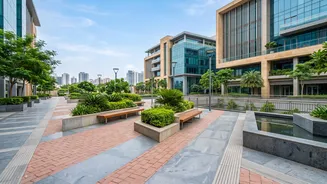
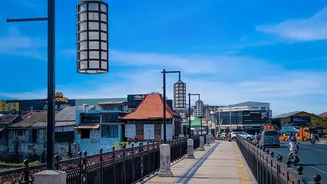
This isn't just a theoretical concept; it's happening now. Chennai's Pondy Bazaar in T. Nagar is a prime example. Once a chaotic shopping hub with narrow, broken footpaths, it was transformed into the city's first major pedestrian plaza. The project, part of the Smart Cities Mission, involved widening pavements, adding seating, play areas, and greenery, and restricting vehicle access. Similarly, Delhi's historic Chandni Chowk has undergone a massive redevelopment, turning a 1.3-km stretch into a pedestrian-friendly zone to decongest the area and restore its heritage character. These projects signal a broader recognition that the well-being of citizens is directly linked to the quality of their public spaces.
The Health and Environmental Dividend
The most immediate benefit of pedestrianization is to public health and the environment. Creating walkable spaces directly combats air and noise pollution by reducing vehicle use. Studies on Chennai's footpath improvements showed a significant reduction in CO2 emissions and an increase in physical activity among residents. With cleaner air and shaded footpaths that can be up to 12°C cooler, these zones encourage walking, a zero-carbon mode of transport. This shift not only contributes to better physical health, reducing risks associated with sedentary lifestyles, but also improves mental well_being by providing green, relaxing spaces for social interaction away from the stress of traffic.
An Engine for Economic and Social Growth
Far from hurting commerce, pedestrian_friendly streets often boost local economies. In Chennai, the transformation of Pondy Bazaar was conceived with the goal of enhancing the shopping experience, attracting more visitors, and increasing footfall for retailers. Research by the Institute for Transportation and Development Policy (ITDP) found that businesses on improved 'Healthy Streets' in India reported significant increases in annual turnover. These spaces also become vibrant social hubs. They host community events, provide safe play areas for children, and offer seating for the elderly, fostering a sense of community that is often lost in car_dominated environments. Furthermore, women report feeling safer on well_lit, redesigned streets, making public spaces more inclusive.
The Road Ahead Is Not Without Bumps
Despite the clear benefits, implementing and maintaining these plazas is a major challenge. The initial vision can be difficult to sustain. For instance, several years after its launch, Chennai's Pondy Bazaar plaza has faced issues with encroachments from vendors and shopkeepers, illegal parking, and a lack of maintenance, which has compromised safety and accessibility. Delhi's Chandni Chowk has also struggled with enforcing traffic restrictions. These challenges highlight the need for continuous enforcement, stakeholder cooperation (especially from local businesses and vendors), and robust maintenance plans to ensure these valuable public spaces don't regress into the chaos they were designed to solve.