





From Niche Service to Urban Staple
The digital shopping carts at the heart of this revolution belong to the quick commerce, or q-commerce, industry. Platforms like Blinkit, Zepto, and Swiggy Instamart have transformed the landscape by promising and delivering daily essentials, groceries,
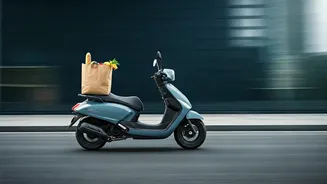
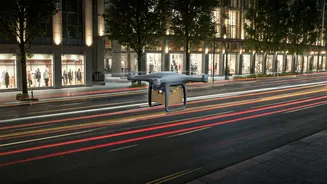
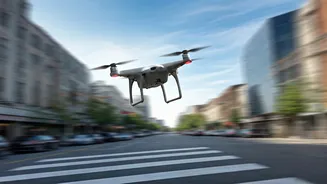
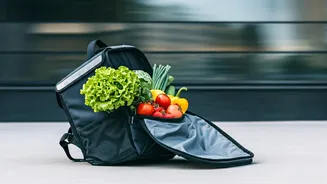
and more in minutes, not hours or days. What began as a convenient service during the pandemic has now cemented itself as an integral part of city life. The model hinges on a network of 'dark stores'—small, neighbourhood-level warehouses optimised for rapid packing and dispatch. This infrastructure allows for a level of speed that has fundamentally altered consumer behaviour, moving many away from traditional weekly or monthly bulk buys towards smaller, more frequent purchases based on immediate need.
The Titans of Ten-Minute Delivery
The Indian quick commerce market is a fiercely competitive arena dominated by a few major players. Zomato-owned Blinkit leads the pack with a significant market share, particularly strong in metro cities. Hot on its heels is Zepto, a fast-growing startup that has aggressively expanded its categories beyond groceries and is even eyeing an IPO. Swiggy’s Instamart leverages its extensive food delivery network to command a substantial piece of the market, especially in southern India. Giants like Amazon and Flipkart have also entered the fray, alongside players like BigBasket's BBNow, indicating the immense potential they see in the sector. With the market projected to be worth tens of billions of dollars, these companies are in a high-stakes race for scale, efficiency, and customer loyalty.
Why Is This Happening Now?
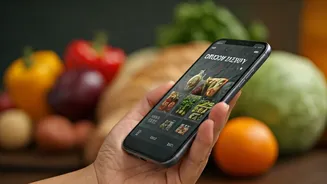
Several factors have converged to fuel this explosive growth. Rapid urbanisation and increasingly busy lifestyles mean consumers place a premium on time and convenience. This is particularly true for India's large population of millennials and Gen Z, who are tech-savvy and have grown up with on-demand services. Widespread smartphone penetration, coupled with the mass adoption of digital payment systems like UPI, has removed friction from the ordering process. The COVID-19 pandemic acted as a major catalyst, forcing a shift in consumer habits towards online, contactless shopping that has persisted long after lockdowns ended. Together, these drivers have created the perfect environment for convenience-led commerce to thrive.
The Business of Instant Gratification
While wildly popular with consumers, the quick commerce business model is challenging. Profitability remains a key hurdle, as companies burn significant cash on customer acquisition, deep discounts, and maintaining a complex logistics network of dark stores and delivery riders. However, the path to profitability is becoming clearer. Many of the top-performing dark stores in major cities are now operationally profitable. Companies are also expanding into higher-margin categories like beauty products, electronics, and even fashion to improve unit economics. Advertising revenue from brands eager to get in front of this highly engaged audience is also becoming a significant income stream.
A New Chapter for Indian Retail
The rise of quick commerce is undeniably disruptive for traditional retail, especially the ubiquitous neighbourhood kirana stores. These small shops face intense competition on price, speed, and convenience, leading to reduced footfall and pressure on profit margins. Some reports indicate a significant number of store closures in metro areas where q-commerce is most prevalent. However, it's not necessarily a zero-sum game. Many kirana stores are adapting by embracing digital payments, using hyperlocal delivery partners, or adopting hybrid models that combine their traditional strengths of customer relationships with new technology. The future of Indian retail is likely to be a hybrid ecosystem where the instant convenience of q-commerce coexists with the trusted, personalised service of local stores.