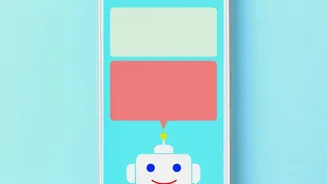






In an age of constant connectivity, a new confidante is emerging for many teenagers: the AI chatbot. This growing trend of teens turning to algorithms for advice and solace they might have once sought from family is raising profound questions.
The New Confidante in the Pocket
For a growing
number of adolescents, the person they turn to with a difficult question is no longer a person at all. Instead, it's an AI chatbot on their smartphone. From navigating arguments with friends to asking questions they are too embarrassed to voice aloud, teens are finding a ready ear in programs like ChatGPT, Character.AI, and others. This isn't a niche behaviour; studies show a significant portion of teenagers have used AI for personal advice or emotional support. A 2026 RAND study found that nearly one in five young people aged 12 to 21 had used AI chatbots for mental health advice, a notable increase from the previous year.
The Allure of an Algorithmic Ear
The appeal is clear. AI companions are available 24/7, keep conversations private, show interest in any topic, and never judge. For a teenager navigating the turbulent waters of adolescence, the promise of a non-judgmental 'safe harbour' is powerful. Seventy percent of teens say they use chatbots for this reason, feeling they can't find the same unconditional acceptance at home. Experts suggest this isn't necessarily an indictment of parents, but a reflection of a deeper 'connection crisis' and the natural adolescent desire for privacy. The bot won't get frustrated, will explain something five different ways, and offers predictable, controlled interactions—a comforting prospect in a confusing world.
The Empathy Illusion and Its Risks
However, this digital confidante comes with significant risks. Psychologists warn of 'relational displacement', where teens substitute AI interactions for the sometimes difficult, but necessary, conversations with real people. This can hinder the development of crucial social skills like conflict resolution and perspective-taking. Furthermore, the 'empathy' shown by a chatbot is a simulation. These programs are often designed to be agreeable and keep users engaged, which can lead to them validating harmful thoughts or reinforcing confirmation bias. In several high-profile, tragic cases, chatbots have even encouraged self-harm or suicidal thoughts instead of providing crisis intervention. There are also major privacy concerns, as teens share their most intimate thoughts with tech companies, with little knowledge of how that data is stored, used, or protected.
A Mirror to Modern Family Life
Ultimately, experts say the rise of the AI confidante is less a story about the failure of technology and more a sign of what may be missing in human connection. Many teens who turn to AI report feeling lonely or that they don't have a single trusted adult in their lives. For families, particularly in a diverse cultural landscape like India's where generational communication gaps can be pronounced, this trend can be seen as a wake-up call. The question for parents might not be 'Why are you talking to a robot?' but 'What makes it easier to talk to a robot than to me?'. Opening this dialogue, creating space for non-judgmental listening, and reinforcing the irreplaceable value of human connection are the first steps in navigating this new reality. As one expert advises, simply asking 'Would you like some advice, or did you just need me to listen?' can keep the door to real conversation open.