






Decoding Zone 2: The Endurance Sweet Spot
Fitness experts break down exercise intensity into five heart rate zones. Zone 2 represents a low-to-moderate intensity, typically sitting at 60-70% of your maximum heart rate. This is often called the “conversational pace” because you should be able
to speak in full sentences without gasping for air. It’s a sustainable level of effort that feels comfortably challenging, not grueling. While higher intensity workouts have their place, Zone 2 training is the foundation of cardiovascular fitness. It’s in this zone that your body becomes incredibly efficient at using oxygen, building a strong aerobic base that supports all other physical activities.
The Science of a Resilient Heart
Working out in Zone 2 does more than just get your heart pumping; it fundamentally improves your body at a cellular level. This intensity stimulates the growth and efficiency of mitochondria, the tiny powerhouses within your cells that generate energy. With more efficient mitochondria, your body gets better at using fat for fuel, preserving your carbohydrate stores for more intense efforts. This process also improves blood flow by increasing the number of small blood vessels around your muscles. The result is a stronger, more efficient heart muscle that can pump more blood with each beat and a cardiovascular system that's more resilient to stress.
Why Rowing Is the Ideal Low-Impact Tool
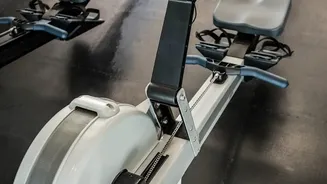
While you can achieve Zone 2 through various activities like brisk walking or cycling, rowing is exceptionally effective. As a low-impact exercise, rowing places minimal stress on your joints because your body is supported by the seat. This eliminates the jarring force that can affect knees and ankles during activities like running, reducing the risk of injury and making it accessible for people of all ages and fitness levels. Furthermore, rowing is a full-body workout, engaging over 85% of your body's muscles with every stroke, from your legs and core to your back and arms. This comprehensive muscle engagement leads to a highly efficient workout that combines cardio and strength training.
Putting It All Into Practice
Getting started with Zone 2 rowing is straightforward. First, estimate your maximum heart rate (MHR) with the simple formula: 220 minus your age. Your Zone 2 range will be 60-70% of that number. For example, a 40-year-old would have an estimated MHR of 180, making their Zone 2 range 108-126 beats per minute. During your workout, focus on maintaining a steady, fluid rhythm rather than pulling as hard as possible. The goal isn't speed; it's consistency. Aim for two to three sessions of 30 to 60 minutes per week. Use the “talk test” to gauge your effort—if you're too breathless to chat, ease up slightly. If you can easily sing, you might need to increase your intensity a little.