


A New Generation's Cravings
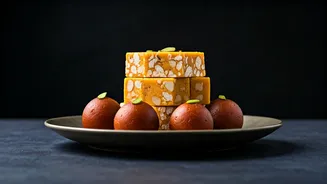
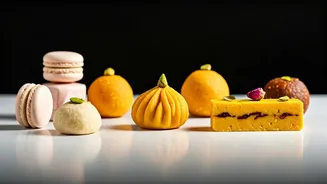
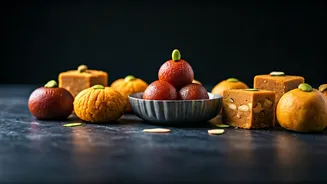
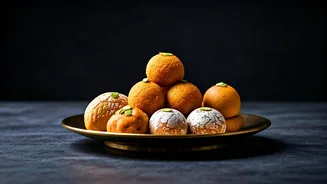
The single biggest driver of this change is the customer. For generations, the recipes for mithai like motichoor laddoo, kaju katli, and gulab jamun have remained sacred and unchanged. But today’s consumer, particularly millennials and Gen Z, has a globalised
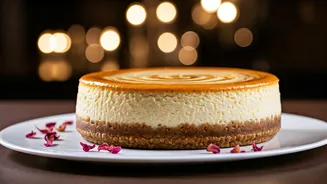
palate. They’ve grown up with access to everything from Belgian chocolate to New York cheesecake. While they still hold a deep affection for traditional flavours, they also crave novelty and sophistication. They don’t just want a sweet; they want an experience. This has pushed halwais to ask a critical question: how can we honour our heritage while appealing to a customer who wants the best of both worlds?
The Instagram Imperative
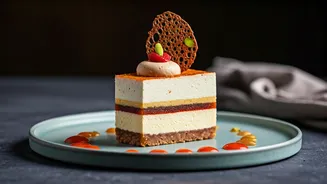
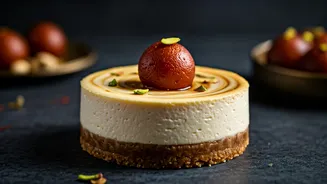
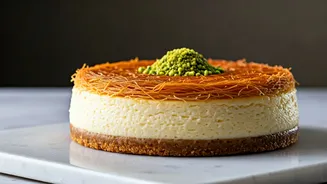
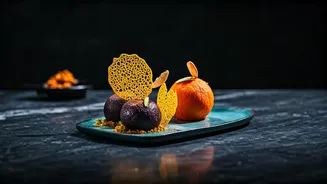
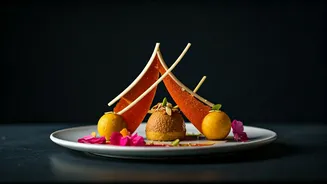
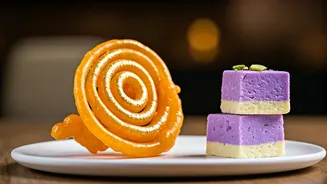
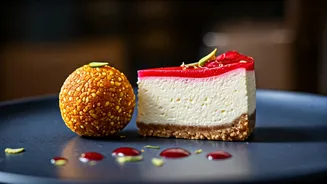
In the age of social media, we eat with our eyes first. A perfectly round laddoo is beautiful in its simplicity, but a Gulab Jamun Cheesecake layered in a glass jar is 'Instagrammable'. Fusion desserts are inherently photogenic. Their intricate layers, creative plating, and unexpected combinations make them perfect content for Instagram feeds and stories. For a small, local halwai, a viral post of their 'Motichoor Parfait' can be more powerful than a traditional newspaper ad. This visual appeal translates directly into foot traffic and sales, making innovation not just a culinary choice but a savvy marketing strategy. Sweet shops are now designing desserts with their visual appeal as a top priority.
The Business of Survival
The neighbourhood mithai shop is no longer just competing with the shop across the street. It’s competing with artisanal bakeries, boutique patisseries, and international dessert chains. To stay relevant and profitable, traditional businesses must adapt. Sticking purely to age-old offerings can risk being seen as dated, especially during festive seasons when customers are looking for unique gifting options. By introducing a fusion line, halwais can capture a new market segment without alienating their loyal, traditional customer base. It diversifies their product portfolio, creating new revenue streams and positioning them as modern, dynamic brands rather than relics of the past.
Old Roots, New Creations
This transformation isn't about abandoning tradition; it's about building on it. The best fusion desserts succeed because they are created by chefs with a deep understanding of Indian flavours and techniques. A halwai knows precisely how to balance the cardamom in a rasmalai or achieve the perfect texture in a barfi. They apply this ancestral knowledge to new forms. Think of a paan-flavoured panna cotta, where the creamy Italian dessert is infused with the pungent, refreshing taste of a classic Indian mouth freshener. Or a Thandai Mousse Cake, which deconstructs the beloved Holi drink into a light, airy dessert. These creations aren't gimmicks; they are thoughtful reinterpretations that pay homage to their origins while offering something entirely new.
The Halwai as a Culinary Artist
This trend is also changing the perception of the halwai. For too long, they were seen as skilled tradespeople, guardians of secret family recipes. Now, they are stepping into the spotlight as creative culinary artists and innovators. This new role allows them to experiment, take risks, and express their creativity. They are sourcing high-quality cocoa to pair with besan, learning the art of French pastry to encase an Indian filling, and playing with textures and temperatures. By embracing fusion, they are not only securing their businesses but are also pushing the boundaries of what Indian dessert can be, ensuring that the legacy of mithai continues to evolve for generations to come.