

Doubtful Sound: The Sound of Silence
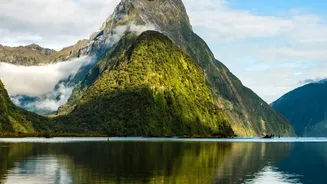
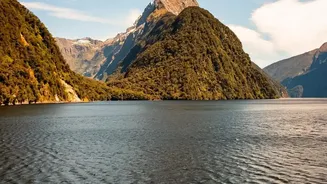
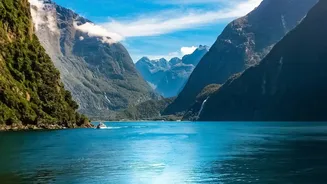
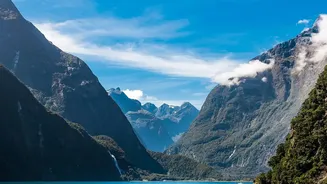
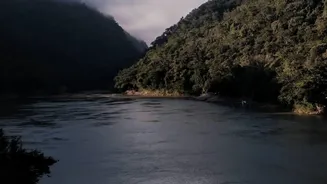
Often called 'the Sound of Silence', Pātea or Doubtful Sound offers a profound sense of tranquillity and scale. It is three times longer and has ten times the surface area of Milford Sound, yet it sees only a fraction of the visitors. Access is part of the adventure
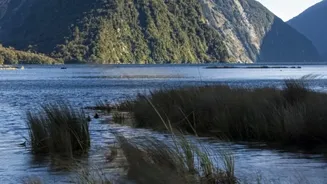
and a key reason for its peacefulness; there is no direct road. The journey begins in the small town of Manapouri, a 20-minute drive from Te Anau, with a cruise across the picturesque Lake Manapouri. From there, a coach takes you over the dramatic Wilmot Pass, offering breathtaking views before you even reach the fiord itself at Deep Cove. Once on the water, the sheer size of the fiord, its sprawling arms, and densely forested slopes create a feeling of immense, untouched wilderness. Because there are far fewer boats, the experience is more serene, increasing the chances for intimate wildlife encounters with resident bottlenose dolphins, fur seals, and rare Fiordland crested penguins. While a day trip is a full-day commitment, an overnight cruise is widely considered one of New Zealand’s ultimate wilderness experiences, allowing you to witness the fiord in the quiet stillness of dusk and dawn.
Dusky Sound: The Ultimate Remote Expedition
For those truly seeking to get off the grid, Tamatea or Dusky Sound is Fiordland’s largest and most remote fiord. It is a place of immense historical significance and untamed beauty, virtually untouched by modern tourism. Captain Cook anchored here in 1773, spending five weeks and naming several features like Astronomer's Point. There are no day trips or easy access points; reaching Dusky Sound is an expedition in itself. The primary ways to experience it are via a multi-day cruise, often combined with a scenic helicopter flight in or out, or by tackling the notoriously challenging, multi-day Dusky Track for experienced hikers. These exclusive journeys navigate the fiord’s 40-kilometre length, dotted with over 350 islands. Visitors can explore historic sites, such as the location of New Zealand's first European settlement in Luncheon Cove and conservationist Richard Henry's former home on Pigeon Island, a pioneer in bird conservation. This is not a casual sightseeing trip but a deep immersion into a wild, primeval landscape accessible only to a determined few.
Lake Manapouri: A Calmer Lakeside Base
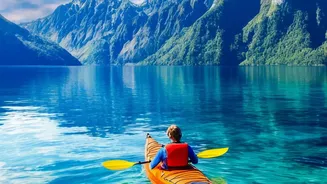
Not all of Fiordland's quiet spots are fiords. The gateway to Doubtful Sound, Lake Manapouri itself is a worthy destination. Often overlooked in favour of the larger Te Anau, the township of Manapouri offers a more serene and intimate base. Described as New Zealand's loveliest lake, its shores are dotted with 33 small, bush-clad islands set against the majestic Cathedral Peaks. The town is tiny, with a population of around 200, ensuring a quiet, unhurried atmosphere perfect for unwinding after a day of exploring. Instead of just passing through on the way to a Doubtful Sound cruise, consider staying here. You can enjoy kayaking on the lake, walking along its quiet beaches, or simply taking in the panoramic mountain views. It provides a genuine sense of small-town New Zealand hospitality away from the busier hubs.
Land-Based Solitude: The Kepler Track and Beyond
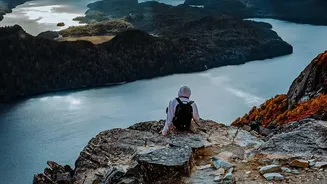
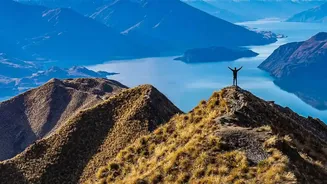
Fiordland’s tranquillity can also be found on foot, far from the water. The region is a world-renowned hiking capital, and while the Milford Track gets much of the attention, other trails offer equal beauty with fewer people. The Kepler Track, a 60-kilometre Great Walk that starts near Te Anau, is a fantastic option. While the full loop takes 3-4 days, sections can be hiked as day trips. The trail offers a huge variety of scenery, from the shores of Lake Te Anau and Manapouri to golden tussock-covered ridges with panoramic alpine views. For shorter walks, the Lake Marian Track leads to a stunning alpine lake, with an initial 20-minute walk to a series of beautiful waterfalls. Another lesser-known option is the Gertrude Valley walk, which offers dramatic mountain scenery without the crowds of the more famous tracks. These land-based adventures provide a different perspective on Fiordland’s grandeur, allowing for a quiet, personal connection with the landscape.