





What Makes an Exercise 'Low-Impact'?
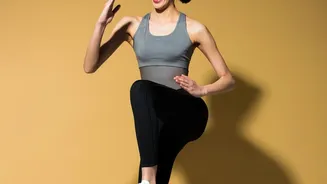
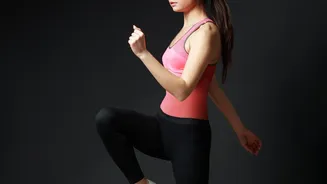
Low-impact exercise is any form of cardio where you keep at least one foot on the ground, or your body is supported, throughout the movement. Unlike high-impact activities like running or jumping jacks, these workouts reduce the stress and pressure on your joints,
particularly your knees, hips, and ankles. This makes them an ideal choice for people with arthritis, those recovering from injury, beginners, or anyone who wants an effective workout without the jarring force. The goal is smooth, steady, and purposeful movement that raises your heart rate gently and sustainably.
Swimming and Water Aerobics
The pool is perhaps the ultimate low-impact workout zone. The buoyancy of water supports your body, virtually eliminating stress on your joints. This makes swimming an excellent choice for a full-body workout that combines cardio, strength, and flexibility. Different strokes, like freestyle or backstroke, engage various muscle groups, from your shoulders and core to your legs. If swimming laps isn't for you, water aerobics provides a fantastic alternative. The water's resistance helps build muscle and get your heart pumping, making it a powerful tool for improving heart health without the strain.
Cycling (Indoor and Outdoor)
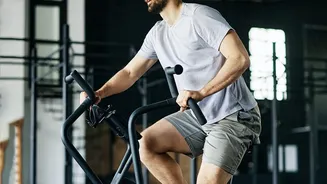
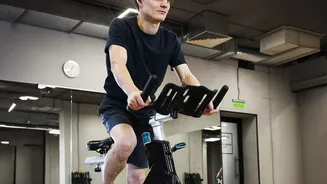
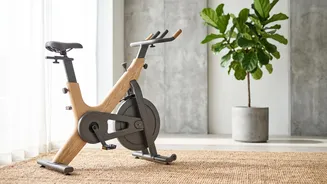
Whether on a stationary bike or a trail, cycling is a top-tier low-impact activity that's easy on the knees and hips. The continuous, fluid motion helps lubricate the joints while strengthening the key muscles that support them, like the quadriceps and hamstrings. This can significantly improve mobility and reduce pain for people with arthritis. Cycling is also an incredible cardiovascular workout that allows you to easily adjust the intensity by changing your speed or resistance, making it suitable for all fitness levels.
Brisk Walking
Don't underestimate the power of a simple walk. When done at a brisk pace, walking is a highly effective form of low-impact cardio that can be done anywhere, anytime. To be considered 'brisk,' you should be able to talk but not sing. This level of intensity strengthens your heart, helps lower blood pressure, and improves bone strength. To minimize stress on your joints, choose level surfaces like a track or trail over hard concrete. It's a simple, accessible way to boost your heart health and manage weight without the pounding of running.
The Elliptical Trainer
The elliptical machine is a gym staple for a reason. It's designed to mimic the motion of running without the impact, as your feet remain in contact with the pedals at all times. This makes it a great alternative to the treadmill for those with joint pain or recovering from injury. Most ellipticals also have moving handlebars, allowing you to engage your upper body for a more comprehensive, full-body workout that elevates your heart rate efficiently.
Rowing
A rowing machine provides a powerful, total-body workout that's surprisingly gentle on the joints. Because it's a non-weight-bearing seated exercise, it places minimal stress on the ankles, knees, and hips. Despite being low-impact, rowing is incredibly efficient, engaging over 80 percent of your body's muscles with every stroke. This combination of cardio and strength training helps build endurance, improve heart and lung function, and burn calories effectively.