


The Problem: Our Cities Are Turning into Ovens
Walk across a dark asphalt road on a sunny day, and you can feel the heat radiating upwards. This isn't just your imagination. Dark surfaces, which cover vast areas of our cities, absorb between 80% to 95% of sunlight, storing it as heat. This phenomenon,
known as the Urban Heat Island (UHI) effect, makes cities significantly warmer than surrounding rural areas. As these surfaces release the stored heat, especially after sunset, they keep nighttime temperatures uncomfortably high, increasing energy consumption for air conditioning and posing health risks during heatwaves. With roads and pavements making up about a third of many urban landscapes, they are a major contributor to this city-wide warming.
The Basic Idea: Fight Heat with Reflection
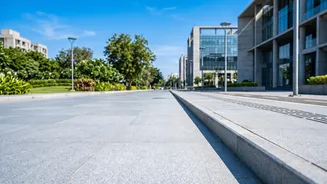
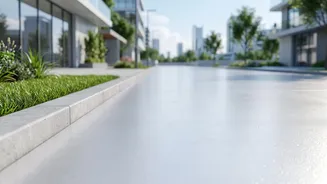
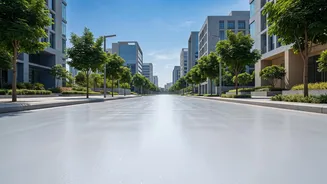
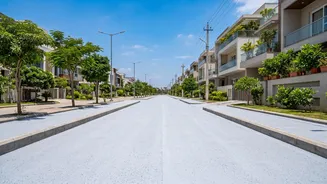
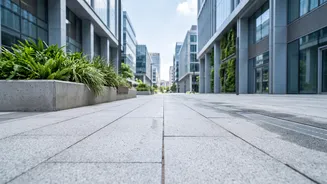
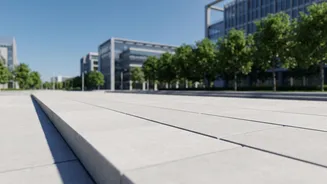
The core principle behind cool pavements is surprisingly simple: lighter surfaces reflect more sunlight and absorb less heat. Scientists measure this reflectivity using a scale called 'albedo'. Traditional black asphalt has a very low albedo, meaning it soaks up heat like a sponge. Cool pavements, on the other hand, use lighter-coloured materials like concrete or specialised coatings to increase albedo. By reflecting more solar radiation back into the atmosphere, these surfaces can remain dramatically cooler. Studies and pilot projects, including a major one in Phoenix, have shown that reflective pavements can reduce surface temperatures by as much as 10 to 15°C compared to conventional asphalt. This simple switch helps lower ambient air temperatures, making the entire neighbourhood more comfortable.
The Next Step: Bio-Engineered Coatings
While reflective coatings are effective, the next wave of innovation lies in 'bio-engineered' materials. Instead of relying solely on petroleum-based polymers, these advanced coatings incorporate renewable biological sources. For example, some new sealants are made from materials like soyabean oil or other agricultural by-products. One company has developed a sealant from wood waste that not only coats but also penetrates the asphalt, restoring its flexibility and extending its life. These bio-based products offer a more sustainable alternative, reducing reliance on fossil fuels and often having a lower carbon footprint. They are designed to be durable, resist wear and tear, and in some cases, can be applied without the high heat required for traditional sealers, saving energy and improving safety for workers.
Putting It All Together for Cooler Cities
When a reflective, bio-engineered coating is applied to a street, it tackles the heat problem on multiple fronts. The primary mechanism is reflection, which can cut surface temperatures significantly. Some advanced pavements are also permeable, allowing water to evaporate after rain, which provides an additional cooling effect, much like sweat cooling the skin. The collective impact can be substantial. Research from MIT suggests that widespread adoption of cool pavements could lower city air temperatures by over 2.5 degrees Fahrenheit, reduce smog formation, and even cut greenhouse gas emissions by lowering the demand for air conditioning. By cooling the pavement, these technologies also cool the stormwater that runs off into local waterways, improving water quality.
The Benefits and Lingering Questions
The advantages of cool pavements extend beyond temperature reduction. The lighter surfaces improve nighttime visibility for drivers and cyclists, potentially reducing the need for extensive street lighting and saving energy. Some bio-engineered formulas also promise to make the pavement itself last longer, reducing long-term maintenance costs. However, the technology is not without challenges. In some conditions, the increased reflectivity can create glare for drivers. There is also a debate about pedestrian comfort; while the air may be cooler, the reflected radiation could make it feel warmer for people walking nearby on a sunny day. Researchers are actively studying these effects to determine the best strategies for different urban environments, acknowledging that a solution for a dense city centre might differ from one for an open residential area.