




The Great Himalayan Rain Shield
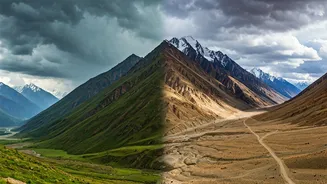
The secret to Spiti's dry monsoon lies in a powerful geographical phenomenon known as the rain shadow effect. The main reason for this is the sheer height and expanse of the Great Himalayan range. When the moisture-laden southwest monsoon clouds roll
in from the Indian Ocean, they travel north across the plains. However, to reach Spiti, they must first cross this colossal mountain barrier. As the clouds are forced to ascend the southern, windward slopes of the Himalayas, they cool down rapidly. This cooling causes the moisture to condense and fall as heavy rain, which is why regions like Kullu and Manali receive significant downpours.
A Tale of Two Slopes
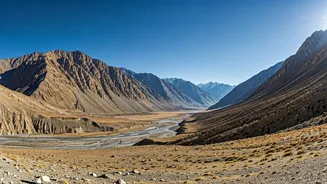
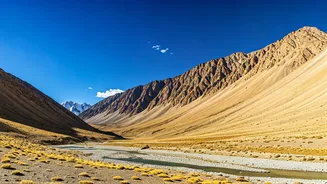
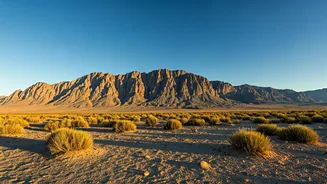
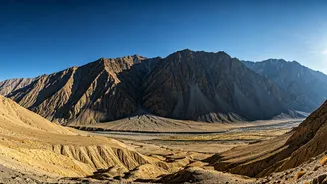
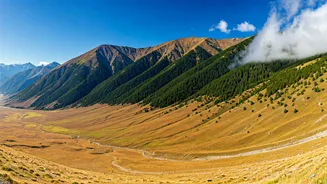
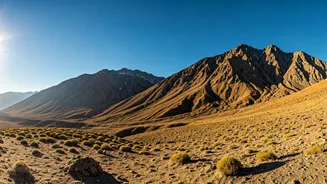
Once these monsoon clouds have dumped most of their rain on the southern side of the Himalayas, they continue their journey north. By the time they cross over the high peaks and descend into the Spiti Valley on the other side—the leeward side—they have lost almost all their moisture. These dry winds are the reason Spiti is classified as a cold desert. The valley is effectively sheltered, or 'shadowed,' from the rain by the very mountains that define its landscape. This process leaves Spiti and the surrounding trans-Himalayan area, like Ladakh, arid and stark, with annual rainfall often being negligible.
Spiti's Unique High-Altitude Location
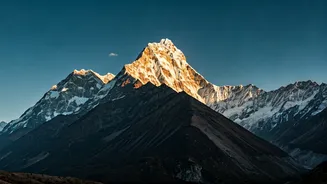
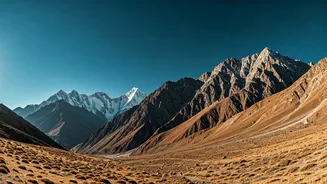
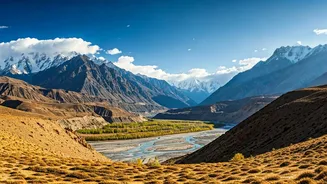
Spiti's position further isolates it from monsoon weather. Situated at an average altitude of over 12,500 feet, it is a valley nestled between towering mountain ranges, including the Pir Panjal and the main Himalayan range. This encirclement creates a double barrier, ensuring that any residual moisture that might sneak past the first range is blocked by the next. This extreme geography results in a unique climate characterized by long, harsh winters with heavy snowfall and short, dry summers, making it one of the most distinct landscapes in the country. The name 'Spiti' itself means 'The Middle Land', aptly describing its location between India and Tibet.
What 'Clear' Really Means for a Traveller
While Spiti Valley itself remains largely free from heavy rain, it's important for travellers to understand what 'clear' signifies. It doesn't always guarantee perfectly blue, cloudless skies every day. The valley might experience overcast days or even very light, brief showers. More importantly, the journey to Spiti during the monsoon can be challenging. The approach roads, particularly from the Manali side and through Kinnaur, are not in the rain shadow and are prone to landslides, roadblocks, and swollen water crossings caused by heavy rains in those areas. Therefore, while the destination is dry, the path to it requires caution and flexibility.
An Ideal Monsoon Getaway?
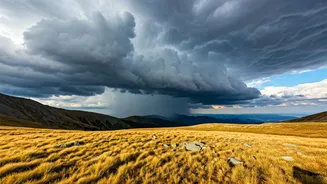
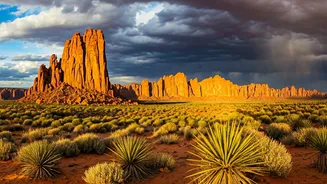
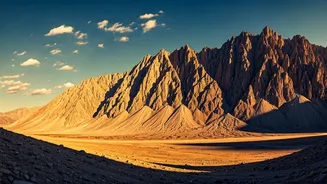
Despite the travel risks, the monsoon season is considered one of the best times to visit Spiti for those seeking solitude and adventure. With most tourists avoiding the mountains due to rain elsewhere, Spiti is less crowded. The light moisture in the air can also lead to a rare phenomenon: a subtle greening of the otherwise barren landscape, with wildflowers blooming in patches. The dramatic, moody skies contrast beautifully with the stark brown mountains, creating a photographer's paradise. For adventurers prepared for potential road delays, Spiti offers a surreal and peaceful escape from the monsoon that grips the rest of the subcontinent.