





The Smart Way to Plan Your Meals
Eating seasonally is a tradition rooted in wellness. Winter in India brings an abundance of nutrient-dense vegetables that are at their peak in terms of flavour and nutritional value. Aligning your meals with the season's bounty isn't just a healthier
choice; it's a strategic one. These ingredients are often more affordable and readily available. More importantly, their versatility and durability make them perfect for meal prepping, saving you time and effort during hectic weekdays. Instead of starting with a complex recipe, you can start with fresh, quality ingredients and let them guide your meals. This approach encourages flexibility and reduces kitchen stress, making healthy eating feel more intuitive and less like a chore.
1. Carrots (Gajar)
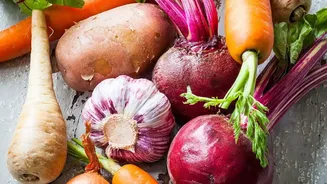
Vibrant red carrots are a hallmark of Indian winters, best known for the beloved 'gajar ka halwa'. But their utility extends far beyond dessert. Carrots are incredibly durable and can be prepped in multiple ways. You can wash, peel, and chop or grate a large batch over the weekend. Store them in an airtight container for quick additions to salads, stir-fries, and soups all week. Roasting a tray of carrots with some seasoning makes for a ready-to-eat side dish that pairs with almost any meal. Their natural sweetness and high fibre content make them a filling and nutritious choice.
2. Spinach (Palak)
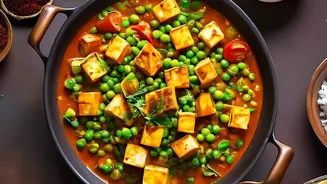
Spinach is a versatile leafy green that shines in winter. While it seems delicate, it's a workhorse for meal prep. You can wash and blanch a large quantity of spinach, then squeeze out the excess water and freeze it in portion-sized batches. This pre-cooked spinach is ready to be tossed into dal, curries like palak paneer, or blended into a quick, nutritious shorba. Having it ready cuts down cooking time significantly, making it easy to add a dose of iron and vitamins to your meals without the hassle of washing and chopping every time.
3. Mustard Greens (Sarson)
No Indian winter menu is complete without Sarson ka Saag. The robust, slightly pungent flavour of mustard greens is the taste of the season. The best way to handle sarson for meal prep is to embrace its most famous dish. Prepare a large batch of the saag by slow-cooking the greens with spices. This saag can be refrigerated for several days or frozen in portions for weeks. A hearty, home-cooked meal is then just a matter of reheating the saag and preparing some fresh rotis. This batch-cooking approach turns a traditionally slow-cooked dish into a convenient weeknight dinner.
4. Radish (Mooli)
The sharp, peppery flavour of mooli is another winter staple, especially in North India. For meal prep, radish is incredibly efficient. You can grate a few radishes and store them in an airtight container for making classic mooli parathas throughout the week. Just mix the grated radish with spices and your filling is ready to go. The radish greens, which are often discarded, are also edible and can be chopped and stored for a quick stir-fry or added to dal for extra nutrients. Its low-calorie profile makes it a healthy addition to any meal.
5. Beetroot (Chukandar)
Earthy and vibrant, beetroot is a nutritional powerhouse that can brighten any winter plate. Its biggest advantage for meal prep is its sturdiness. You can boil or roast whole beetroots, peel them, and store them in the refrigerator for up to a week. These cooked beets can be quickly sliced for salads, blended into a raita, or cubed for a simple sabzi. This pre-cooking method saves you the time and mess of handling raw beets on a busy day, making it easy to incorporate this iron-rich vegetable into your diet.
6. Sweet Potato (Shakarkandi)
Sweet potatoes are a comforting and nutrient-dense winter favourite. They are incredibly easy to prepare in advance. Roast a batch of whole sweet potatoes in the oven until tender. Once cooled, they can be stored in the fridge for several days. From there, the possibilities are endless: mash them for a quick side, cube them for a warm salad, or use them as a base for chaat or patties. This simple prep step gives you a versatile and ready-to-use ingredient that adds fibre and complex carbs to your meals.
7. Fenugreek Leaves (Methi)
Fresh methi leaves are abundant in winter and known for their distinct, slightly bitter flavour. The primary prep work for methi involves cleaning and chopping the leaves, which can be done in one go. Store the cleaned leaves in an airtight container lined with a paper towel to absorb moisture. This makes it easy to add a handful to dals, knead them into dough for theplas or parathas, or make a quick aloo methi sabzi. Having them cleaned and ready removes the biggest barrier to using these nutritious greens regularly.