







The Evidence: A Market in Transformation
The numbers paint a clear picture of a market experiencing explosive growth. Valued at approximately $3.6 billion in 2024, India's pet care market is projected to reach nearly $25 billion by 2032, expanding at a compound annual growth rate of around 20%.
This surge is driven by rising disposable incomes, urbanization, and the growing prevalence of nuclear families where pets fill a companionship gap. The evidence of 'premiumization' is everywhere. Pet food, which constitutes the largest segment, is seeing a dramatic shift from homemade meals to scientifically formulated diets. Quick commerce data shows searches for 'grain-free pet food' grew 152% year-on-year, while demand for pet supplements and wellness products also saw significant growth. This trend is not just confined to metros; Tier-II cities are now outpacing metro demand, showing a 96% year-on-year growth in pet care orders.
The 'Pet Parent' and the Humanization Effect
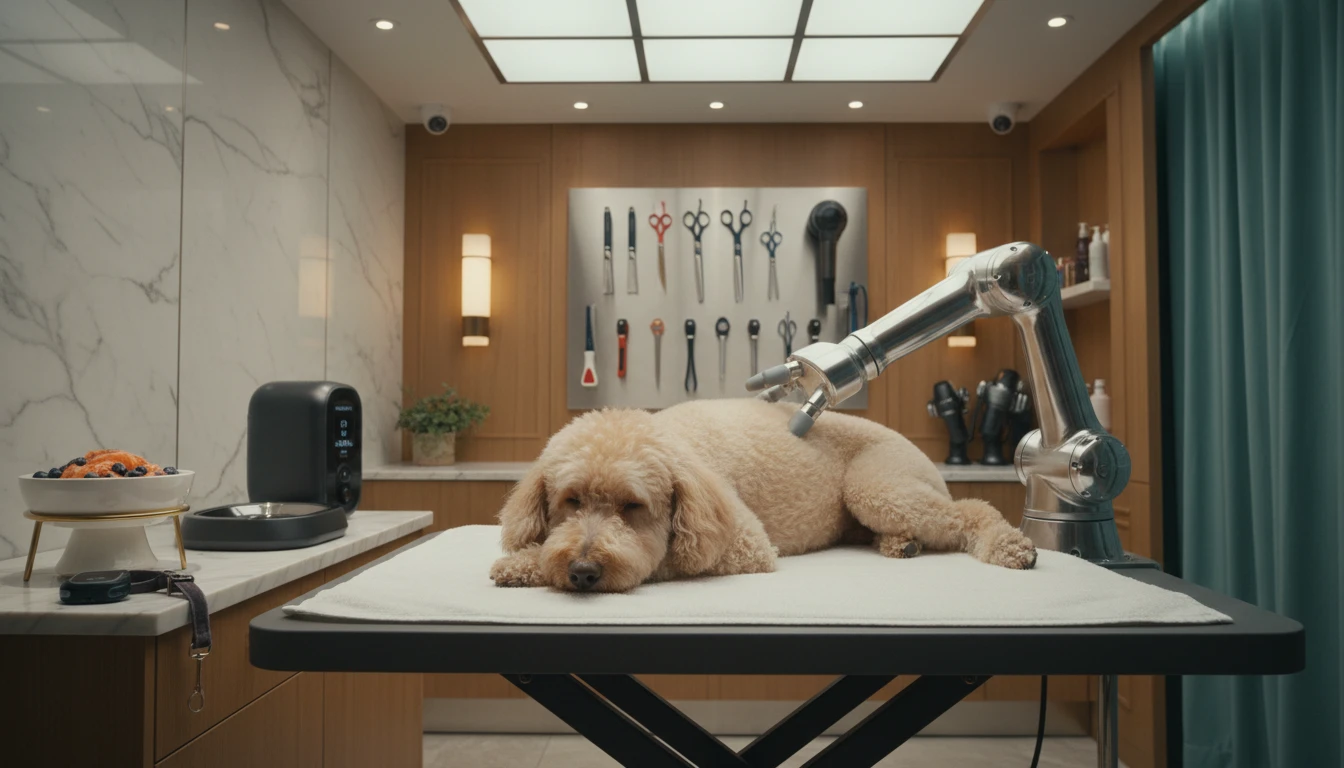
At the heart of this economic boom is a deep-seated emotional shift from being a 'pet owner' to a 'pet parent'. A 2024 survey found that 57% of Indian pet owners consider their pets to be family members, with another 16% viewing them as their children. This redefines spending habits, turning discretionary purchases into essential expressions of care. Led by millennials and Gen Z, this new generation of pet parents prioritizes their pets' health and happiness, creating demand for services that were once considered niche. The 'humanization' trend means consumers are willing to pay a premium for products with human-grade ingredients, organic certifications, and sustainable packaging. This mindset extends to services, fuelling growth in professional grooming, pet spas, daycare centres, and even pet-friendly travel options.
The Golden Opportunity for Business
This evolving consumer behaviour creates a fertile ground for innovation and entrepreneurship. The startup ecosystem is buzzing, with investors infusing significant capital into the sector. Opportunities abound across a diversified value chain. Beyond premium food, high-growth segments include specialized veterinary care, pet insurance, and tech-enabled services like tele-consultations and pet-monitoring apps. Lifestyle brands like Heads Up For Tails and digital-first platforms like Supertails have successfully built omnichannel ecosystems offering everything from curated products to grooming and expert advice. The market is also diversifying beyond dogs and cats. A growing interest in birds, rabbits, and other small animals is creating new demand for specialized products and veterinary expertise. Even large legacy players are entering the fray, signalling mainstream confidence in the sector's long-term potential.
The Limits: Challenges and Structural Gaps
Despite the impressive growth, the premium pet economy has its limits. The market remains heavily concentrated in urban centres like Mumbai, Delhi, and Bengaluru, with price sensitivity being a major barrier to adoption in mass-market and rural segments. A significant portion of the population remains unaware of the nutritional benefits of commercial pet food, with home-cooked meals still dominating. The industry also faces structural hurdles. The regulatory landscape, particularly for domestic pet food manufacturing, is still evolving. While standards exist, they are often voluntary, creating inconsistencies in product quality. There are also challenges in the largely unstructured supply chain for non-food items, a shortage of trained veterinary professionals, and a lack of pet-friendly infrastructure, which collectively cap the market's true potential.