


The Great Indian Snack-over
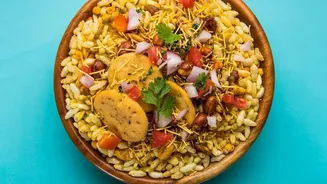
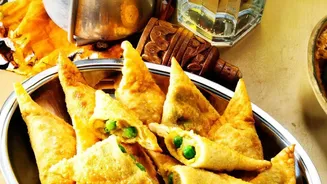
The Indian snack market is undergoing a seismic transformation. Once dominated by traditional, often fried, namkeens and sweets, the sector is now being reshaped by a health-conscious, urban consumer. This isn't a niche trend; it's a mainstream movement
towards what experts call 'mindful snacking'. The overall Indian snacks market is projected to grow significantly, with some estimates suggesting it will expand at a compound annual growth rate (CAGR) of over 8% between 2026 and 2034. Within this, the healthy snacks segment is a key driver, expected to reach nearly USD 5 billion by 2034. This growth is powered by rising disposable incomes, hectic urban lifestyles demanding convenience, and a growing awareness of lifestyle-related diseases.
Makhana: From Fasting Food to Superfood
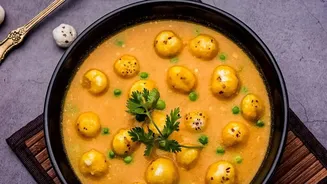
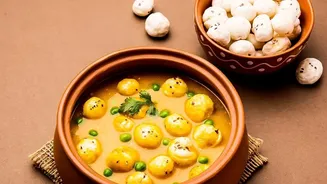
Perhaps no product better embodies this shift than makhana, or fox nuts. Traditionally a humble food consumed during fasts, makhana has been rebranded as a gluten-free, low-calorie superfood. Consumers, from Gen Z to Gen X, have embraced it as a preferred guilt-free indulgence. This surge in popularity has transformed its market dynamics. The Indian makhana market, valued at over INR 9 billion in 2025, is projected to grow at a CAGR of over 8% in the coming years. Driven by strong demand, average prices have more than doubled between 2022 and 2025. With India producing around 90% of the world's makhana, primarily in Bihar, the government has even established a National Makhana Board to support its growth.
Greek Yogurt: The Protein-Packed Premium
Another hero of the new snack economy is Greek yogurt. It has successfully moved from being a health-food curiosity to a permanent fixture in refrigerators across urban India. Its appeal lies in its high protein content—often two to three times that of regular dahi—and its thick, creamy texture, positioning it as a functional food for fitness-aware consumers. The functional yogurt market in India was valued at over USD 900 million in 2023 and is projected to grow at a CAGR of over 9%. This growth is driven by health-conscious millennials in cities who are willing to pay a premium for nutritious, on-the-go options that aid in everything from weight management to muscle recovery.
Protein Bars: Fuel for the Hustle
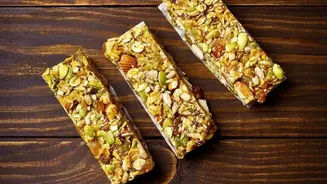
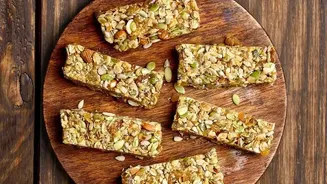
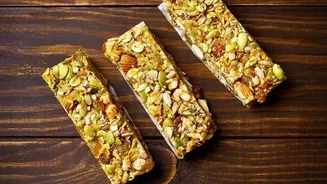
Rounding out the trifecta are protein and nutritional bars. Designed for the ultimate convenience, these bars are becoming the go-to snack for time-pressed urban professionals, gym-goers, and students. The market for protein bars in India, which generated over USD 130 million in 2025, is set for steady growth. A key driver is the 'fitness revolution' and the increasing focus on corporate wellness programs that stock healthy snacks. With studies showing that a high percentage of Indians are protein-deficient and consumers are willing to pay more for protein-rich products, the demand for these functional, on-the-go fuel sources is only set to increase.
What's Driving the Change?
This snacking revolution is fueled by a perfect storm of social and economic factors. Increased urbanization has led to busier, more sedentary lifestyles where convenient, ready-to-eat meals are a necessity. A growing health consciousness, amplified by the pandemic, means consumers are scrutinizing labels more than ever, with a majority actively seeking snacks with functional benefits and natural ingredients. Rising disposable incomes allow a growing middle class to afford these premium, health-oriented products. Finally, the explosion of quick commerce and online retail has made these snacks more accessible than ever, creating a dynamic and competitive market where new brands can challenge established players.