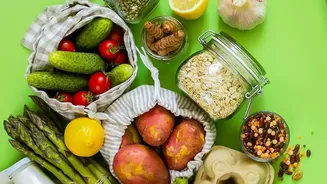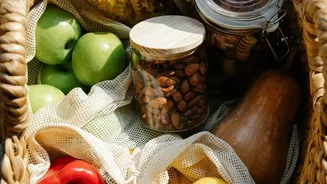








Why Shorter Storage Is Smarter
The core principle of monsoon grocery management is simple: buy less, more often. High humidity creates the perfect breeding ground for mould, bacteria, and pests. An open packet of flour that might last months in the summer can spoil in weeks, while
leafy vegetables can wilt and rot in just a day or two. Large monthly grocery hauls become a liability, increasing the risk of waste. Adopting a shorter storage plan—buying what you need for a few days at a time—ensures ingredients are fresher, safer, and less likely to be thrown away. It’s a shift from long-term stocking to short-term rotation.
Handling Fresh Produce
Fresh fruits and vegetables are the first casualties of monsoon moisture. Leafy greens like spinach and coriander are particularly vulnerable and should be bought in small quantities. Before storing, it's crucial to ensure they are dry. Some experts suggest wrapping them in paper towels instead of plastic to absorb excess moisture before refrigerating. For other vegetables, avoid washing them until just before use, as lingering dampness accelerates decay. For produce like cauliflower or cabbage, regular checks for black spots are essential. Root vegetables like potatoes and onions should be stored in a cool, dark, and dry place, away from each other.
Protecting Grains and Flours
The pantry requires special attention during the rainy season. Grains, pulses (dals), and flours (atta) readily absorb moisture, leading to clumping, weevils, and mould. The single most important step is to transfer them from their original bags into completely dry, airtight containers immediately after purchase. Glass or steel containers with secure lids are preferable to plastic ones. For extra protection against pests in rice and dal, adding a few dried bay leaves or neem leaves to the container is a time-tested natural deterrent. Buying smaller packs of flour is also a wise strategy, as its shelf life significantly shortens in high humidity.
Keeping Spices Aromatic
Humidity is the enemy of aromatic spices, causing them to clump together and lose their potent flavour. Ground spices are especially susceptible. Store them in small, airtight glass jars away from the steam and heat of the stove. Always use a clean, dry spoon to scoop out spices, as even a tiny amount of moisture can spoil the entire jar. If you notice spices starting to clump, you can lightly roast them on a dry pan to remove moisture before returning them to a clean, dry container. Whenever possible, buying whole spices and grinding them in small batches as needed will ensure maximum freshness and flavour.
The Fridge: Your Ally Against Humidity
Your refrigerator is a key tool, but it needs to be managed correctly. Cross-contamination risks increase during the monsoon, so store raw meat and cooked food separately. Perishables like milk, paneer, and bread should be purchased for immediate use. Don't leave cut fruits or salads exposed, even in the fridge; consume them quickly or store them in sealed containers. Some unconventional advice includes placing a clean, dry sponge in your fridge's crisper drawer to absorb excess moisture, which can help keep vegetables fresher for longer. Regularly cleaning your refrigerator also prevents the growth of mould and bacteria.