





The Kitchen as the Heart
Before open-plan living became a design trend, the Indian kitchen was already the undisputed heart of the home. It wasn't just a place for cooking; it was a hub of life, health, and connection. This space was where remedies were concocted, seasonal produce
was celebrated, and the family’s well-being was carefully nurtured. The modern concept of the kitchen as a social space finds its roots here, but with a deeper purpose. It was the original wellness centre, where every meal was an act of care, designed to nourish the body and soul. Reclaiming this mindset—viewing our kitchens as places of healing rather than hurried meal prep—is the first step in embracing this traditional philosophy.
The Pharmacy in the Spice Box
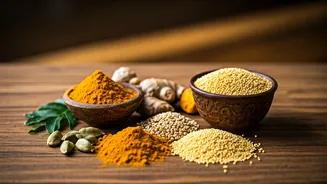
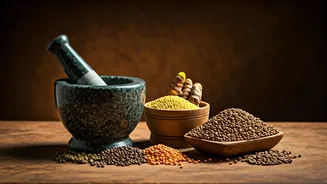
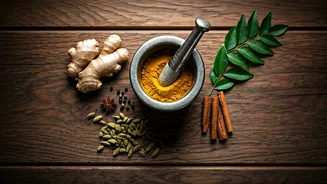
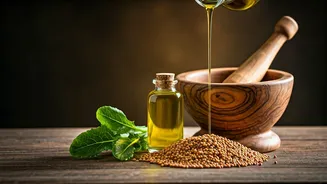
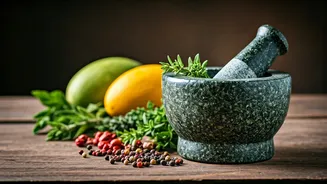
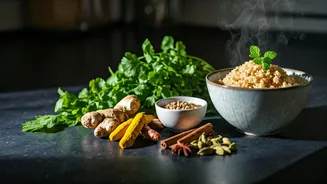
The humble masala dabba is more than a collection of seasonings; it’s a traditional apothecary. For centuries, Indian households have intuitively used spices for their medicinal properties, a practice now widely supported by science. Turmeric, with its active compound curcumin, is a powerful anti-inflammatory. A pinch of black pepper is traditionally added not just for flavour, but because piperine enhances curcumin absorption. Ginger is a go-to for digestive aid and nausea, while cumin and coriander seeds are known to soothe the stomach and improve digestion. Fenugreek (methi) helps regulate blood sugar. This isn't about mega-dosing on supplements, but about the gentle, consistent, and synergistic effect of incorporating these healing spices into daily meals.
The Ancient Art of Fermentation
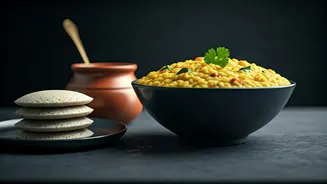
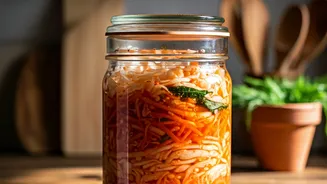
Long before kombucha became a hipster staple, Indian kitchens were mastering the art of fermentation. The daily bowl of dahi (yoghurt), the fluffy rise of idli and dosa batter, and the tangy homemade pickles (achaar) are all rich sources of probiotics. These beneficial bacteria are crucial for gut health, which modern science links to everything from immunity and digestion to mental well-being. Traditional fermentation was a natural method of preservation that also enhanced the nutritional value of food. By making homemade dahi or allowing dosa batter to ferment naturally on the countertop, our ancestors were cultivating a healthy gut microbiome without ever using the term. It’s a simple, cost-effective way to boost our internal ecosystem.
Slow Cooking for a Fast World
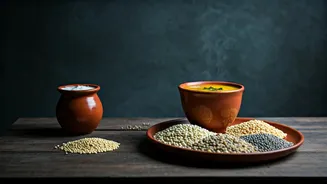
Our modern lives are rushed, and so is our cooking. But traditional methods championed the opposite: slow, deliberate cooking. Whether it’s the slow simmering of a dal, the gentle steaming of vegetables, or the 'dum pukht' technique of cooking in a sealed pot, these methods do more than just develop deep, complex flavours. They also help retain nutrients that can be destroyed by high-heat, rapid cooking. Furthermore, the act of slow cooking encourages mindfulness. It forces us to slow down, to engage with our food, and to appreciate the process. This mindful approach extends to eating, promoting better digestion and a healthier relationship with food.
Eating with the Seasons
The modern supermarket gives us access to any fruit or vegetable year-round, but this convenience comes at a cost to flavour and nutrition. Traditional Indian diets were intrinsically seasonal and local. Eating mangoes in the summer, root vegetables in the winter, and leafy greens during the monsoon wasn't a choice; it was a natural rhythm. This approach, known in Ayurveda as 'Ritucharya' (seasonal regimen), ensures that the body gets the specific nutrients it needs to cope with the changing environment. Seasonal produce is fresher, more nutrient-dense, and more flavourful. Embracing this principle means shopping at local markets, appreciating what’s available now, and aligning our bodies with the cycles of nature.