








What Are the New Warning Labels?
The Food Safety and Standards Authority of India (FSSAI) is rolling out a new Front-of-Pack Labelling (FoPL) system to help consumers make healthier choices more easily. The most significant change is the introduction of a mandatory warning label for
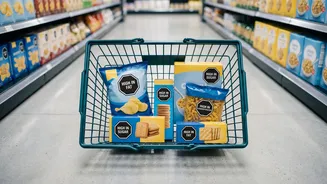
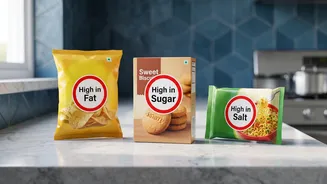
packaged food products that are high in fat, sugar, or salt. This label is designed to be impossible to miss: it's a prominent red hexagon on a white background, placed on the top left of the package. Inside the hexagon, you'll see clear text like “HIGH SUGAR,” “HIGH FAT,” or “HIGH SALT.” If a product exceeds the threshold for more than one of these nutrients, a single hexagon will list all of them. This system replaces earlier, more complicated proposals and aims to provide a simple, direct warning at a glance.
How to Read the Red Hexagon
The new warning label is designed for speed and clarity. Unlike the detailed nutrition table on the back, which requires time and calculation, this front-of-pack warning gives you immediate information. If you see the red hexagon, it's a signal that the product contains high levels of ingredients that are linked to health risks like obesity and other non-communicable diseases when consumed in excess. The FSSAI will now require this warning even if only one of the three nutrients—fat, sugar, or salt—crosses the prescribed limit. The thresholds are based on dietary guidelines from the Indian Council of Medical Research (ICMR). It’s a straightforward alert system: the presence of the label encourages you to pause and consider the product's nutritional content, especially when comparing two similar-looking items on the shelf.
What About Star Ratings?
You may have also heard about a star-rating system called the Indian Nutrition Rating (INR). This system, similar to what's used in other countries, would rate foods from half a star to five stars, with more stars indicating a healthier product. The rating is calculated based on a complex score that considers both 'negative' nutrients like fat, sugar, and salt, as well as 'positive' elements like fruits, vegetables, and protein. While this system was part of the broader discussion on improving food labels, the most recent proposals submitted by FSSAI have focused on implementing the mandatory red hexagon warning labels first. The star rating system has faced criticism from some health experts who argue it could be confusing, potentially giving a high rating to a processed food just because it has added protein or fibre.
Which Foods Will Carry These Labels?
The new warning labels will apply to a wide range of pre-packaged foods. The rules are based on the amount of added fat, added sugar, and salt per 100g or 100ml of the product, not whether the food is heavily processed. This means you can expect to see them on everything from chips and biscuits to sugary cereals and sweetened beverages. However, certain single-ingredient foods and essential commodities are likely to be exempt, such as milk and milk products, butter, ghee, vegetable oils, and fresh produce. Additionally, FSSAI has proposed a separate mandatory warning for products containing artificial sweeteners, which will now have to be declared on the front of the pack.
Why These Rules Matter for Your Health
The primary goal of these new regulations is to tackle the rising rates of non-communicable diseases (NCDs) in India, which are often linked to diets high in unhealthy fats, sugar, and salt. By making nutritional information easier to understand, health authorities hope to empower consumers to make healthier choices for themselves and their families. For years, shoppers had to rely on flipping the pack and deciphering complex information on the back, often hidden in small print. Marketing claims on the front, like “natural” or “healthy,” can be misleading. The new red warning labels cut through the noise, providing a clear, science-backed signal about nutrients of concern, making it a powerful tool for public health.