



The Golden Cage: Why the Ban Exists
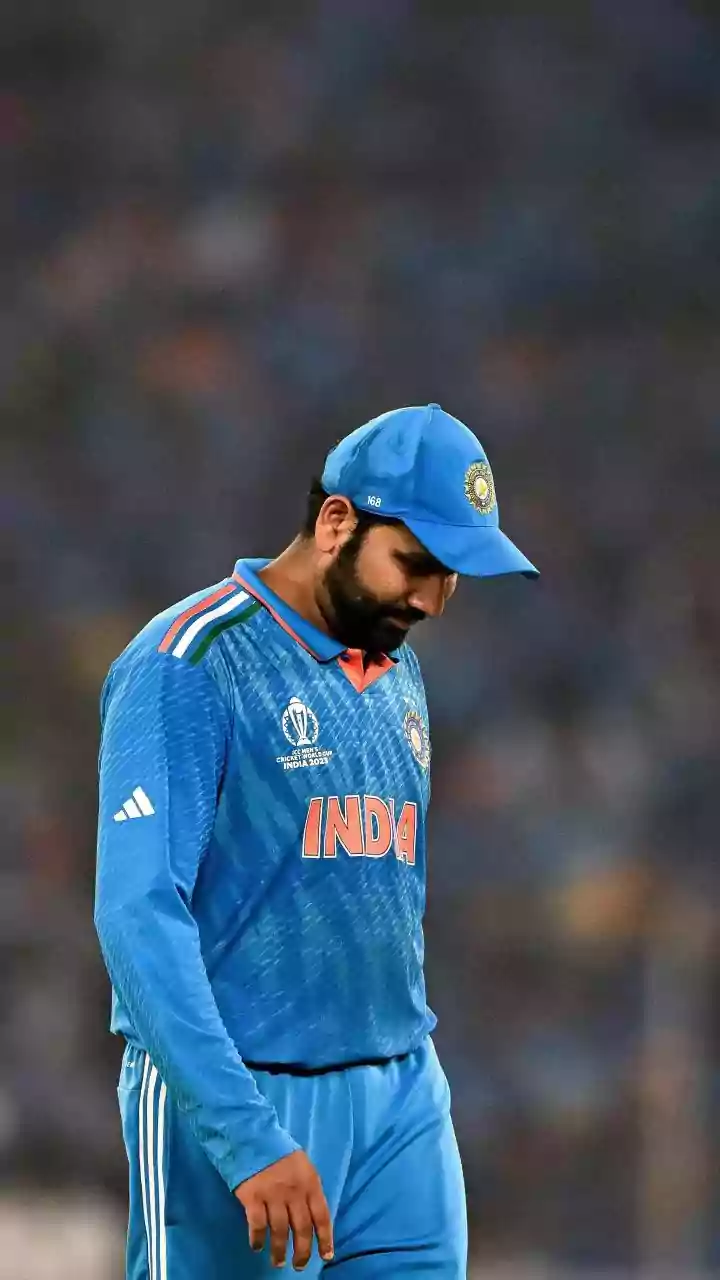
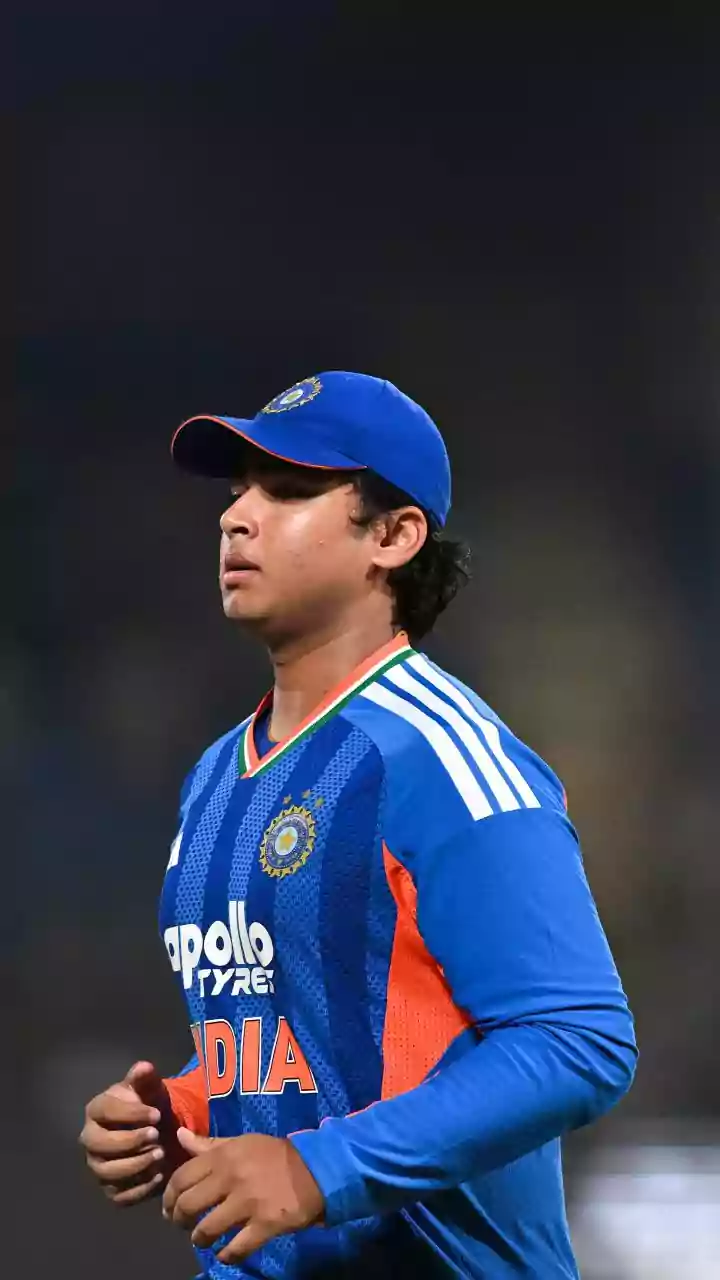
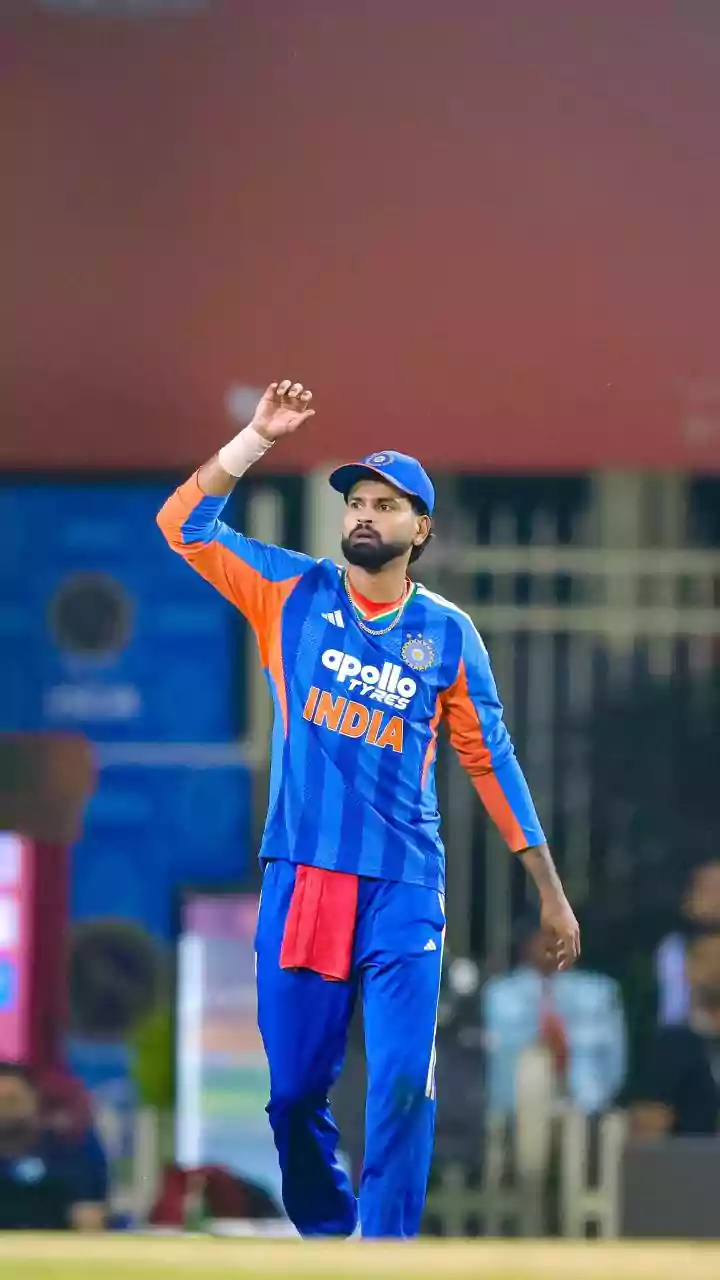
The Board of Control for Cricket in India (BCCI) has a simple, unwritten rule for its male cricketers: you cannot participate in any foreign franchise league. The only exception is for players who have completely retired from all forms of Indian cricket,
including the IPL. The primary reason for this protectionist stance is to safeguard the value and exclusivity of the Indian Premier League (IPL). The BCCI fears that if Indian superstars like Virat Kohli or Jasprit Bumrah were to play in Australia's Big Bash League (BBL) or England's The Hundred, it would dilute the IPL's unique appeal. Fans might get their fix of seeing Indian players year-round, potentially diminishing the special window carved out for the IPL. The board also worries about player burnout and wants to maintain control over its players' schedules and fitness, a difficult task if they are flying around the world for various T20 assignments.
The Winds of Change: A Shifting Landscape
The pressure to change this long-standing policy is mounting, driven by a powerful new force: IPL franchise owners themselves. Major IPL ownership groups now own teams in multiple global leagues, including South Africa's SA20, the Caribbean Premier League (CPL), and Major League Cricket (MLC) in the USA. This 'multi-club' model creates a natural desire for these owners to have their star Indian players available for their other teams, creating year-round brand synergy. This has created a quiet tension. While league officials like those from SA20 publicly state they respect the BCCI's policy, the cross-ownership structure inherently challenges the status quo. Furthermore, there is a growing chorus of voices, including former players and coaches like Ravi Shastri, arguing that allowing non-centrally contracted Indian players to go abroad would provide invaluable experience and exposure.
The Case For: Global Exposure and Player Growth
Proponents of lifting the ban argue that the benefits would be immense for Indian cricket. Players who are on the fringe of the national team or don't have lucrative IPL contracts could gain vital experience playing in different conditions, similar to how international players benefit from the IPL. This exposure could make them better, more adaptable cricketers, ultimately strengthening the pool of talent available for the Indian national team. For many domestic cricketers, it would also open up significant new earning opportunities. Former India coach Ravi Shastri has been a vocal supporter of this, suggesting that there is little harm in letting a player who isn't in the Test side play in the BBL. The experience gained sharing dressing rooms with different international stars and learning new training methods is seen as a massive plus.
The Case Against: Protecting the Crown Jewel
The BCCI's counterargument remains powerful and is rooted in protecting its most valuable asset. The board's stance, reinforced as recently as October 2026, is that the current rules will remain. Their primary fear is creating a situation similar to the West Indies, where top players often prioritize T20 league contracts over national duty. The board wants to avoid a scenario where it loses control over its top talent. There's also the 'retirement loophole' that the BCCI is trying to manage. Recently, the board has been discussing a new policy involving a 'cooling-off period' for players who retire from Indian cricket to immediately join foreign leagues. This move is aimed at preventing players from using retirement as a simple administrative step to get a No-Objection Certificate (NOC) for overseas play, ensuring the decision to retire is a genuine career endpoint.
The Verdict: A Slow Thaw, Not a Sudden Flood
So, will the floodgates open anytime soon? The short answer is no. As of late 2026, the BCCI's official position remains firm: active players are not permitted in overseas leagues. However, the ground is undeniably shifting. The increasing influence of IPL owners with global ambitions is a factor the board cannot ignore indefinitely. A potential middle path could emerge, perhaps starting with allowing non-contracted players or those who have retired from international cricket (but not the IPL) to participate. Retired players like Dinesh Karthik have already featured in the SA20, but even he has expressed support for the BCCI's policy to protect the IPL's status. Any change will likely be slow, cautious, and implemented in a way that allows the BCCI to retain maximum control. The board's priority is clear: the IPL is the crown jewel, and its shine will be protected at all costs.