
Jaipur's magic is undeniable, but the Pink City truly comes alive in winter. The season transforms it into a traveller's paradise, where exploring royal history and vibrant markets becomes a pleasure rather than a challenge.
The Winter Advantage
While summers in Jaipur can
be intensely hot, the winter months from November to February offer a welcome respite. Daytime temperatures typically range from a comfortable 8°C to 25°C, creating the perfect climate for sightseeing. This pleasant weather means you can comfortably walk through the grand courtyards of forts, climb ramparts for sunset views, and wander through bustling bazaars without the exhaustion of summer heat. The clear skies and soft winter sun also make for stunning photography, casting a golden glow on the city's iconic pink sandstone architecture.
The Majestic Forts on the Hills
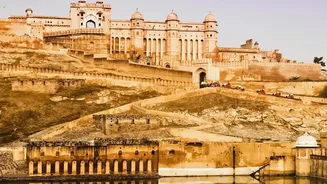
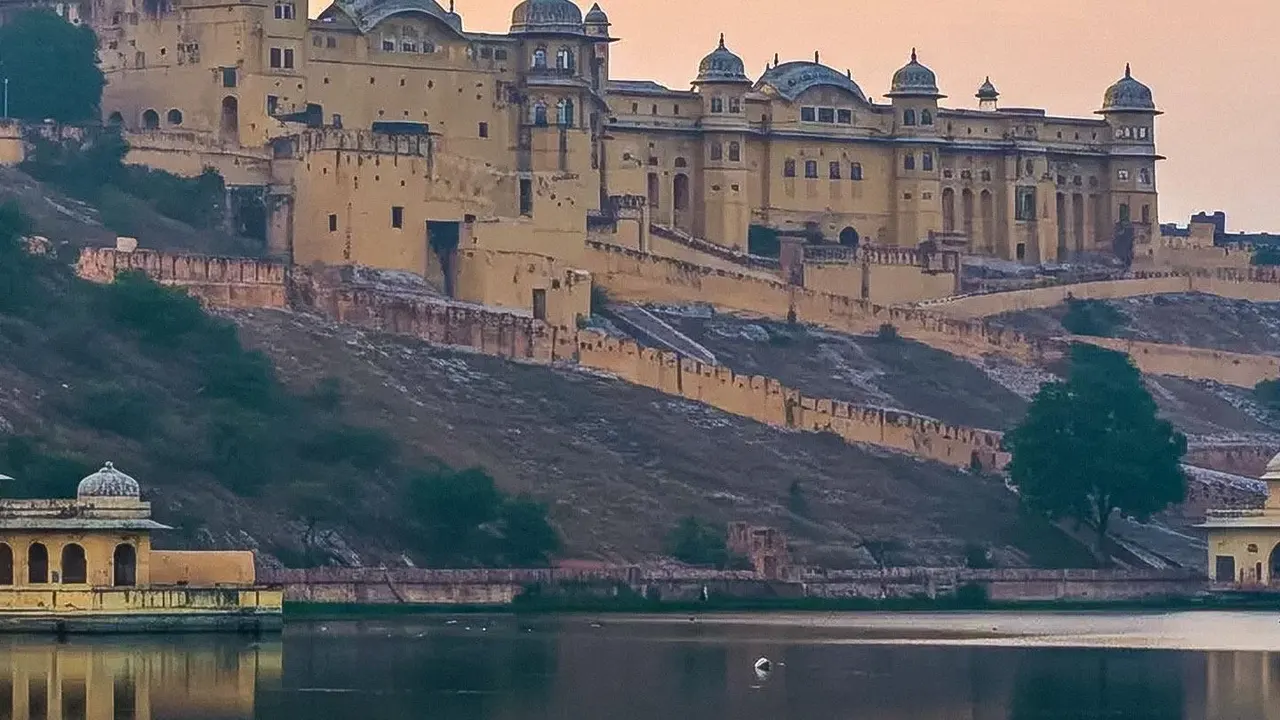
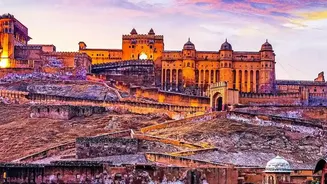
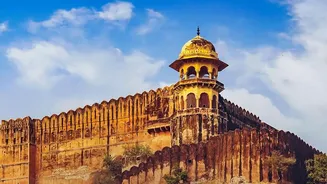
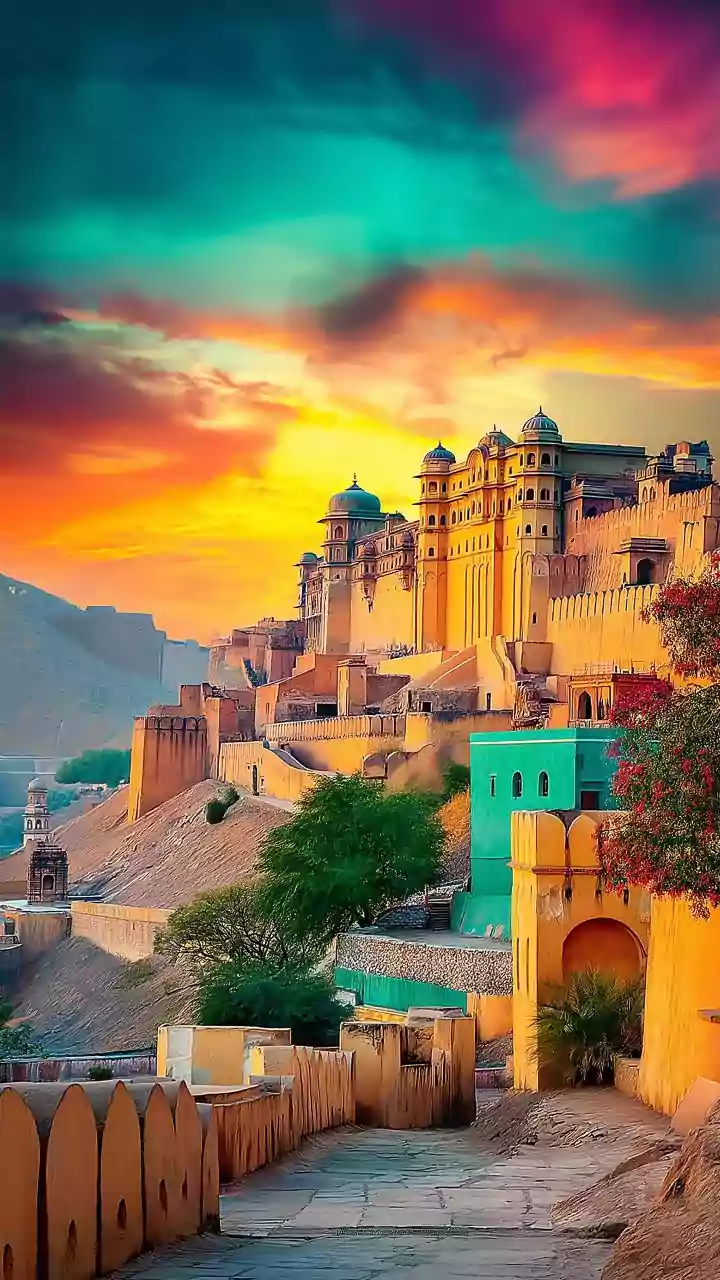
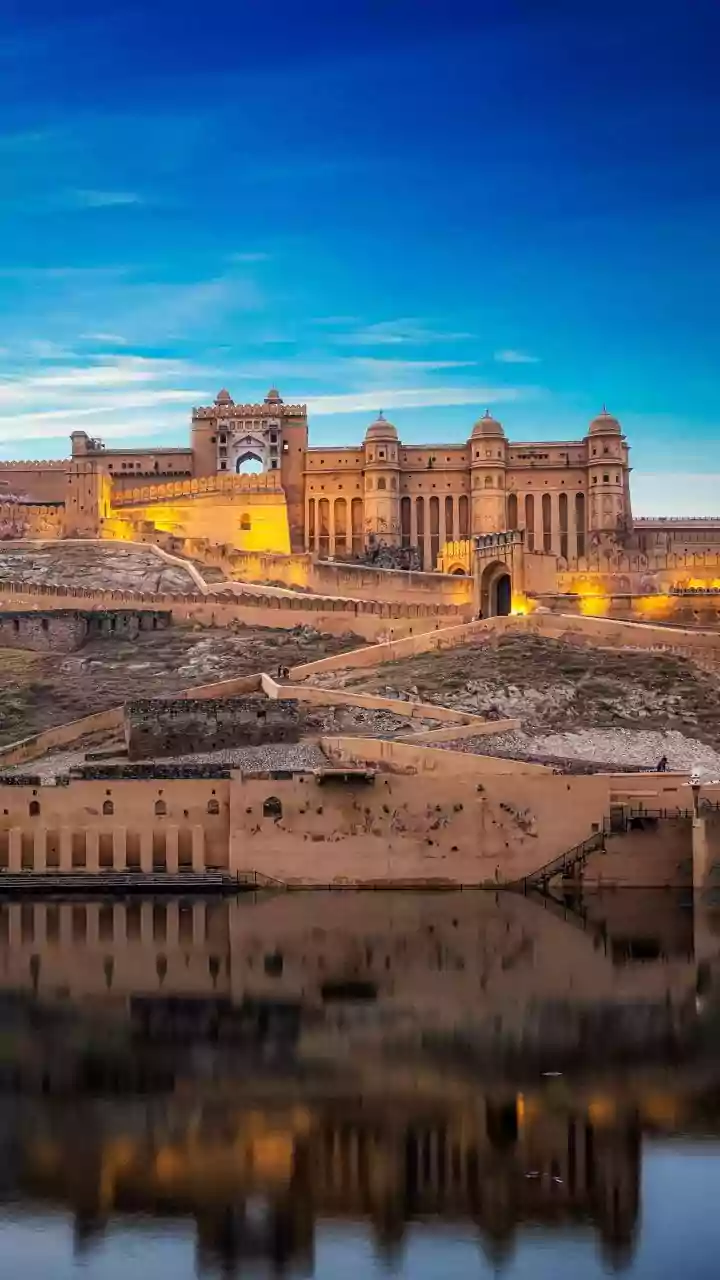
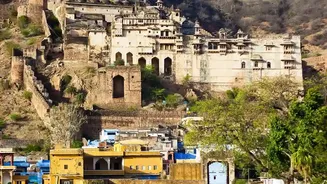
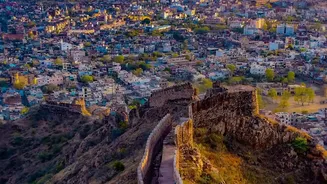
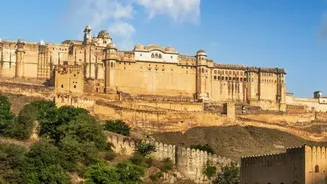
Jaipur's skyline is dominated by its magnificent hilltop forts, each a testament to Rajput grandeur and strategic brilliance. The most famous is Amer Fort, a UNESCO World Heritage site located 11 kilometres from the city centre. This sprawling complex of red sandstone and marble features grand courtyards, opulent palaces like the Sheesh Mahal (Palace of Mirrors), and intricate gateways. Nearby, Jaigarh Fort offers a more rugged, military perspective and houses the Jaivana, once the world's largest cannon on wheels. For the most breathtaking panoramic views of Jaipur, a trip to Nahargarh Fort at sunset is essential. It sits on the Aravalli ridge, providing a stunning vantage point to see the planned city below glow as the evening lights turn on.
Palaces and Wonders Within the City
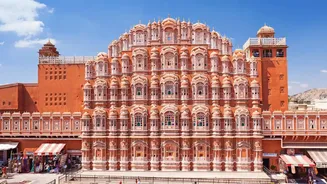
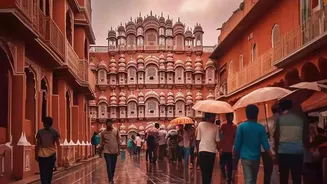
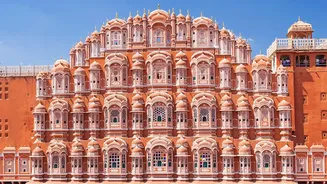
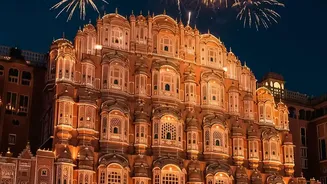
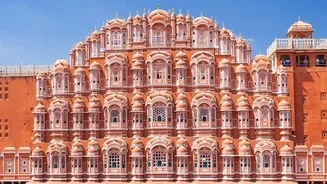
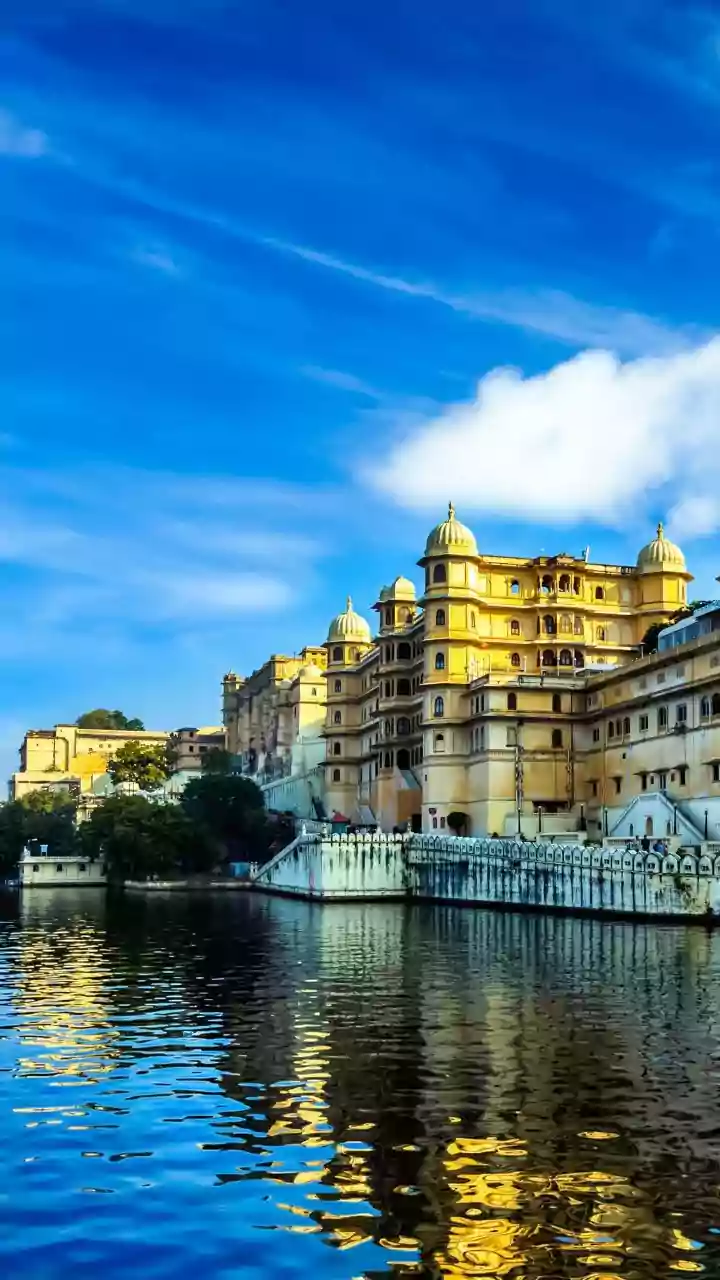
The royal splendour isn't confined to the hills. In the heart of the old city lies the City Palace, a sprawling complex that blends Rajput, Mughal, and European architectural styles. A portion of the palace is still the residence of Jaipur's royal family, making it a living museum. Visitors can explore courtyards, museums showcasing royal costumes and armoury, and the famous Pritam Niwas Chowk with its four intricately decorated gates representing the seasons. A short walk from here is the Hawa Mahal, or 'Palace of Winds'. This iconic five-storey facade of pink sandstone with 953 small windows (jharokhas) was built in 1799 to allow royal women to observe street festivities unseen.
A Shopper's Paradise: The Bazaars
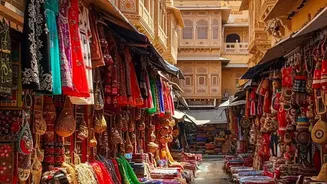
A trip to Jaipur is incomplete without diving into its vibrant markets. Johari Bazaar, as its name suggests, is the city's main hub for jewellery. It is famous for precious gemstones, silver ornaments, and traditional Kundan and Meenakari work. For textiles, leather goods, and souvenirs at affordable prices, Bapu Bazaar is the go-to destination. Here you can find colourful Rajasthani juttis (leather footwear), block-printed fabrics, light Jaipuri quilts (razai), and various handicrafts. Remember that bargaining is part of the experience in these bustling markets.
Beyond the Main Markets
For those looking to explore further, Jaipur offers several other specialized markets. Tripolia Bazaar is renowned for its lac bangles, where you can often see artisans crafting them by hand. Nearby, Kishanpole Bazaar is excellent for wooden crafts and textiles. Sireh Deori Bazaar, conveniently located opposite Hawa Mahal, is another great spot to find Jaipuri quilts and unique wall hangings. These markets are not just about shopping; they are an immersion into the city's living culture, where you can also sample delicious street food like kachoris and lassi between your explorations.