




First, Choose Your Festival Wisely
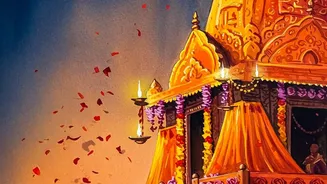
India celebrates hundreds of festivals, so the first step is picking an experience that aligns with your interests. Are you drawn to the dazzling lights of Diwali, the playful chaos of Holi, or the spiritual gravity of Durga Puja? Diwali, the festival of lights in October
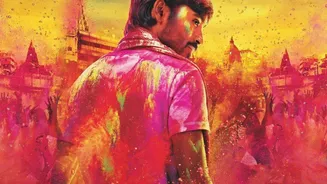
or November, is celebrated nationwide, with cities like Jaipur and Varanasi offering stunning visual displays. Holi, the festival of colours in March, is most authentically experienced in northern hubs like Mathura and Vrindavan, but can be intense. For something different, consider a regional event like the Pushkar Camel Fair in Rajasthan or Onam in Kerala. Research what each festival entails—some are deeply religious and solemn, while others are joyous public spectacles.
Decoding the Festival Calendar
One of the biggest hurdles for travellers is pinning down dates. Most Hindu festivals follow a lunisolar calendar, meaning the dates change every year. Diwali, for example, falls on the new moon of the month of Kartik, while Holi is tied to the full moon in the month of Phalguna. Always check the specific dates for your year of travel. The ideal festival season for pleasant weather is generally from October to March. When you book, plan to arrive at your destination at least two days before the main festival day and leave a couple of days after to avoid the most intense travel rush.
Book Everything Months in Advance
This is not an exaggeration. For major festivals like Diwali or Holi, trains, flights, and hotels get booked out three to six months ahead, and sometimes even earlier. Last-minute planning is not a viable strategy, as you will face exorbitant prices and zero availability. Transportation on the day of a major festival can be nearly impossible to find, with packed trains and gridlocked roads. Professional travel agencies can be a huge asset, as they often have access to pre-booked rooms and private transport that aren't available to the public.
Strategies for Managing Crowds
Massive crowds are a given. To avoid the worst of it, consider celebrating in a slightly smaller city or a local neighbourhood rather than the main epicentre. For instance, instead of the most famous ghats in Varanasi during Dev Deepawali, a smaller temple town can offer a similar glow with more breathing room. Another strategy is to time your movements like a local: travel during off-peak hours, usually early in the morning, when public transport and roads are less congested. For a safer and more comfortable experience, especially during Holi, consider attending an organized event at a hotel or a private celebration. These offer the festive atmosphere in a more controlled environment.
Embrace Traditions with Respect
Participating in a festival is a privilege, and doing so respectfully enhances the experience for everyone. These are religious and cultural events, not performances for tourists. For dress codes, modesty is key, especially when visiting temples or religious sites—plan to cover your shoulders and knees. For Holi, wear old clothes you don't mind discarding, as the colours can stain permanently. It’s also wise to apply coconut oil to your skin and hair beforehand to make cleaning up easier. Always ask for permission before taking photos of people. While most celebrations are welcoming, be aware of your surroundings, especially in dense crowds, and know when to step back if a situation feels too intense.