




The End of an Awkward Era
There was a time when dining alone felt like a social misstep, often met with curious glances or the dreaded question, “Are you waiting for someone?”. In a country where meals have long been framed as communal, familial events, arriving solo was often seen
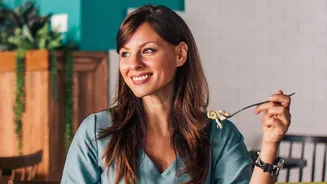
as an absence rather than a choice. This perception is rapidly becoming outdated. A new wave of diners, particularly millennials and Gen Z, are embracing the freedom of eating out alone. What was once a source of self-consciousness is now being reframed as an act of self-care and a chance for quiet indulgence, spurred on by social media and a desire for personal time.
What's Driving the Solo Shift?
Several factors are fuelling this trend. Urbanisation and the rise of nuclear families mean more people are living independently. Flexible work schedules and remote work have untethered professionals from traditional office lunch routines, giving them the freedom to explore neighbourhood cafes and restaurants on their own time. For many, especially in bustling corporate hubs, a solo meal is a practical way to unwind after a long day. More profoundly, there's a growing cultural emphasis on individualism and personal well-being. Young Indians increasingly see solo activities not as a sign of loneliness, but as a deliberate choice for 'me time'—a chance to recharge, explore new culinary experiences, and simply be present without social obligations.
Designing for the Party of One
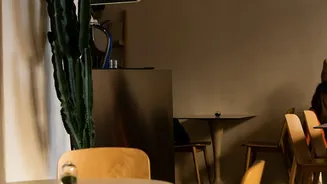
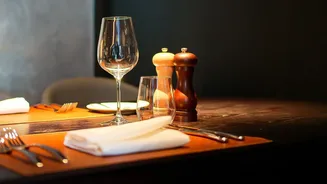
The restaurant industry is taking note and adapting its physical spaces and service styles. Instead of awkwardly seating a single person at a large table, many establishments are now incorporating solo-friendly design elements. Counter and bar-style seating, especially those overlooking an open kitchen, provide a sense of engagement without pressure. Communal tables create a low-stakes social environment where being alone feels natural. Some cafes and restaurants in cities like Delhi and Mumbai are even creating cosy nooks, smaller two-person booths, and designated single seats that offer privacy and comfort. The goal is to make solo guests feel intentionally catered to, not like an operational compromise.
The Business of Dining Alone
Catering to solo diners is not just good hospitality; it’s smart business. Industry insiders report that solo customers are a valuable market. They can help fill seats during off-peak hours and may have a higher per-person spend since they aren't sharing dishes or splitting costs. To encourage this, some restaurants are introducing tasting menus, smaller portion sizes, or 'dining for one' combos that allow an individual to sample multiple items without over-ordering. Technology also plays a role, with QR-code menus and digital ordering systems allowing diners to control the pace of their meal with minimal, non-intrusive service. By recognising and valuing the solo guest, restaurants are tapping into a loyal and growing customer base.
More Than Just a Meal
For the diner, the benefits extend beyond convenience. Eating alone provides a unique opportunity to connect with your food and surroundings without the distraction of conversation. You notice the details of the decor, the flavours of the dish, and the rhythm of the city outside the window. It can be a mindful, almost meditative experience. For women, in particular, confidently claiming space for one in a public setting can be an empowering act, tied to a sense of safety and independence. As the stigma fades, more people are discovering that a table for one isn't a compromise—it's a destination in itself, offering a moment of quiet enjoyment in a busy world.