
The New Festive Plate
Across India, the aromas of Diwali, Eid, and Christmas are subtly changing. While the comforting scents of cardamom, saffron, and ghee remain, they are now mingling with new fragrances. Think of the rich sweetness of a Gulab Jamun finding a new home in a creamy
cheesecake, or the spicy kick of chaat reimagined with ingredients like avocado. This isn't about replacing tradition, but expanding it. The movement reflects a broader cultural shift where a new generation, exposed to global cuisines through travel and media, is eager to experiment. The result is a culinary renaissance that respects the roots of festive food while playfully exploring new possibilities.
Sweet Treats with a Twist
Nowhere is this trend more apparent than in the world of Indian sweets. The classic mithai is being deconstructed and reimagined in surprising ways. Culinary innovators are creating desserts like Rasmalai Tres Leches cake, Motichoor Ladoo cheesecake jars, and Paan-flavoured tiramisu. These creations blend the familiar, nostalgic tastes of Indian sweets with Western dessert techniques and forms. For instance, a traditional barfi might get a modern update with cookies and cream, or a Gajar Ka Halwa could be transformed into a layered cake with cardamom cream cheese frosting. This fusion appeals to both older generations who cherish the original flavours and younger diners excited by novelty and creative presentation.
Savouries Get a Global Update
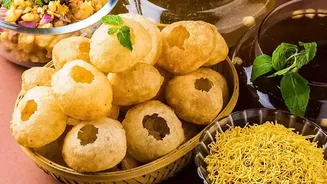
The innovation isn't limited to desserts. Savoury festive dishes are also being infused with international character. Chefs are incorporating global trends like the 'swicy' (sweet and spicy) phenomenon into snacks and main courses. Imagine pani puri served with a tangy avocado salsa instead of the traditional tamarind water, or paneer tikka skewers presented as sliders. Even a classic Christmas roast is being reinvented with an Indian touch, using marinades of yoghurt and tandoori spices or glazes made from Indian chutneys. This blending of culinary worlds creates dishes that are both comforting and surprising, offering a fresh take on holiday dining.
Why Tradition is Evolving
Several factors are driving this delicious evolution. Increased global travel and a more interconnected world mean that Indian palates are more adventurous than ever. Chefs and home cooks are inspired by the techniques and ingredients they encounter, leading to a natural cross-pollination of culinary ideas. There's also a generational shift at play; younger Indians are looking for ways to connect with their heritage that also reflect their modern, global identities. Furthermore, there is a growing health consciousness, with some fusion dishes incorporating healthier ingredients like millets or reducing refined sugar, aligning traditional tastes with modern dietary trends. This culinary movement is not about diluting authenticity but celebrating the dynamic and adaptive nature of Indian food culture.