




The Science of the Danger Zone
The single most important concept in food safety is the 'temperature danger zone'. According to food safety authorities like the FSSAI in India and the USDA in the United States, this is the temperature range between 5°C and 60°C (41°F and 140°F). In this range,
bacteria can multiply at an alarming rate, sometimes doubling in number every 20 minutes. The longer your cooked food stays in this zone, the higher the risk of harmful bacteria reaching dangerous levels. This is why you can't just leave a hot pot on the counter to cool for hours. As a rule, perishable food shouldn't be left at room temperature for more than two hours.
Why a Big, Hot Pot is a Problem
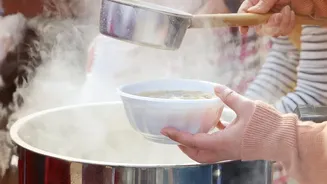
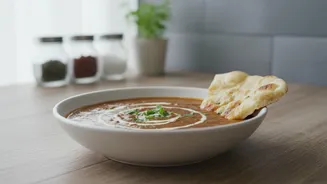
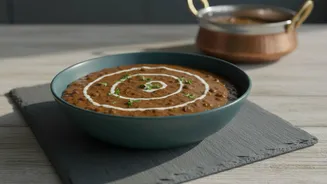
Physics is working against you when you have a large, deep pot of hot food like dal makhani or a hearty stew. Food, especially dense or liquid-heavy dishes, is an excellent insulator. The food on the outside of the pot might cool down, but the centre remains hot for a very long time, staying squarely in the temperature danger zone for hours, even if the pot is in the refrigerator. Putting a very hot, large container in the fridge also has another negative effect: it releases a lot of heat, which can raise the internal temperature of your refrigerator. This puts other foods in your fridge, like milk or other leftovers, at risk by temporarily warming them into the danger zone.
The Solution: Divide and Conquer
The most effective strategy to cool food rapidly is to increase its surface area. Instead of putting that entire large pot in the fridge, your new plan should be to 'divide and conquer'. Transfer the contents of the large pot into several smaller, shallow containers. Spreading the food out into a thin layer—ideally no more than two inches deep—allows heat to escape much more quickly and evenly. This simple step dramatically reduces the time your food spends in the danger zone, ensuring it cools to a safe temperature much faster. Metal or glass containers are often recommended as they transfer heat more effectively than plastic.
Active Cooling Techniques
To speed up the process even more, you can actively cool the food before you even think about refrigeration. One popular method is an ice bath. Place your smaller containers of hot food into a larger basin or sink filled with ice and water. Stir the food occasionally to help release the heat. For soups and stews, you can also use special 'ice paddles'—frozen wands that you stir the food with to cool it from the inside out. Simply leaving the shallow containers uncovered and stirring them on the counter for about 20-30 minutes until they stop steaming can also make a big difference before you cover them and place them in the fridge.
The Two-Stage Cooling Method
Food safety professionals follow a two-stage process for cooling. The goal is to cool food from 60°C (140°F) down to 21°C (70°F) within two hours. This first stage is the most critical because it's when the food is in the most dangerous part of the temperature zone. Once it's at 21°C, you then have an additional four hours to bring it down to the refrigerator temperature of 5°C (41°F) or below. By using shallow pans and active cooling methods, you can easily meet these targets at home and ensure your delicious leftovers remain safe to eat for the next few days.