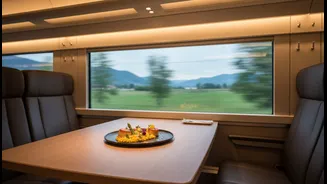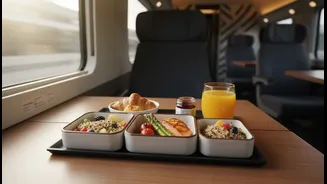





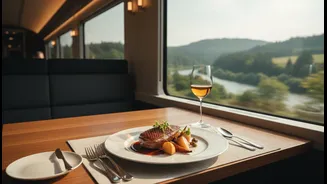
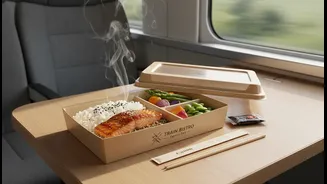


A Revolution on the Rails
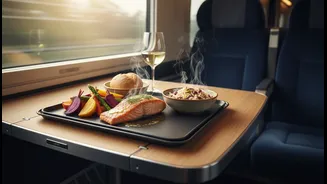
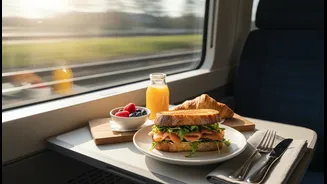
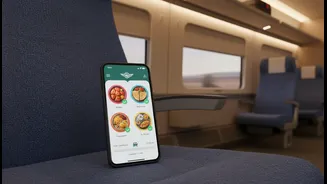
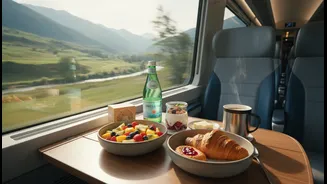
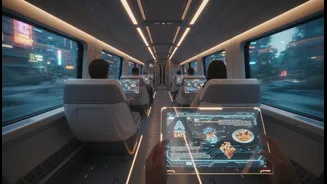
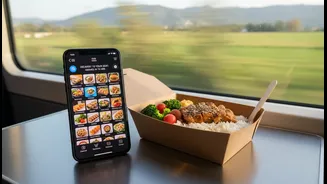
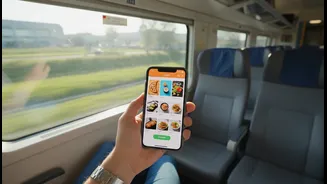
Gone are the days when train travel meant a limited choice between pantry car fare and station snacks. Today, ordering food on trains is a rapidly growing phenomenon, transforming the passenger experience. Platforms like Swiggy, and IRCTC's own e-catering
service with partners like Zoop, have created a bustling marketplace on wheels. Recent data shows the explosive growth; Swiggy, for instance, reported a threefold increase in 'Food on Train' orders in the first quarter of FY27 alone. This surge is driven by travellers' desire for variety, hygiene, and the sheer convenience of ordering from favourite city restaurants and having the meal delivered at a designated station. The service has expanded to over 180 cities, with some passengers even ordering meals for multiple stops on a single journey. This digital integration is a clear win for passengers and platforms, turning a long journey into a more comfortable and personalised experience.
The Captive Audience Factor
While the growth is impressive, it's crucial to understand the unique context of a train journey. Passengers are, in essence, a captive audience. For hours or even days, their options are limited to what they packed, what the pantry car offers, or what's available on the platform during brief halts. Digital food delivery solves a very specific, time-bound problem for a traveller with few other choices. The decision to order is driven by immediate need and convenience within a constrained environment. This is fundamentally different from the daily life of a consumer at home, who is surrounded by a vast array of options: a fully stocked kitchen, local markets, neighbourhood restaurants, and tiffin services. The success of train food apps proves that when options are limited, a well-executed digital solution can dominate. However, it doesn’t automatically mean the same consumer will adopt a similar digital-first approach for their daily food needs.
Daily Life Is Not a Train Journey
The complexities of daily meal planning at home are a world away from ordering a single meal on a train. True meal planning involves a host of variables: managing household budgets, catering to the diverse tastes of family members, planning a week's worth of nutrition, and managing grocery inventory to avoid waste. These are high-friction activities that require significant mental effort. Ordering a pizza on a train is a spontaneous, one-off transaction for an individual or a small group. Planning, sourcing, and preparing meals for a family for a week is a recurring logistical and creative challenge. While apps for daily meal planning exist, they face significant hurdles in user retention because the underlying problem they're trying to solve is far more complex and personal than the simple desire for a hot meal during a trip.
Spontaneity, Not Strategy
Ultimately, ordering food on a train aligns more with the spontaneous, on-demand food delivery culture popularised by platforms like Zomato and Swiggy than it does with structured, forward-looking 'meal planning'. It’s about satisfying an immediate craving or need in a specific moment. A traveller might pre-book a meal for their journey, but this is still a short-term, event-based plan, much like making a dinner reservation. It is not indicative of a broader behavioural shift towards digitally mapping out one's entire weekly menu, calculating nutritional intake, and automating grocery lists. The data from train orders—showing spikes in demand for items like rotis, biryani, and even mango lassis—reflects impulse and comfort buys during travel, not a disciplined approach to daily diet management. The success is a triumph of convenience-tech, not a revolution in how Indians are organising their domestic lives.