







The Rise of 'Skinimalism'
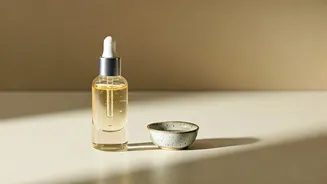
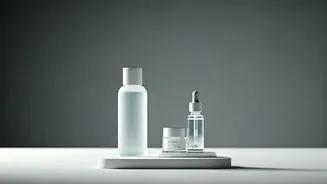
It’s called 'skinimalism,' or skin minimalism, and it’s the quiet antidote to bathroom counters crowded with half-used serums and exfoliants. This trend is defined by a 'less is more' approach, focusing on a few essential, high-quality products instead
of an elaborate, multi-step regimen. The philosophy is simple: rather than chasing the temporary perfection seen through social media filters, the goal is to support and celebrate your skin's natural function. It’s not about neglecting your skin; it’s about choosing products with intention and giving them time to work, creating a routine that is sustainable, effective, and less likely to cause irritation.
Why Experts Endorse Simplicity
Dermatologists are enthusiastically backing this trend for one key reason: it protects the skin barrier. Your skin barrier is the outermost layer of the epidermis, acting as a crucial shield against environmental pollutants, toxins, and bacteria while locking in moisture. When we overload it with too many products, harsh scrubs, or potent active ingredients, this barrier can become compromised. The result is often the very issues we are trying to fix: redness, dryness, sensitivity, and even breakouts. By simplifying a routine, you reduce the risk of irritation and give the skin a chance to repair and regulate itself. Consistency with a few core products is far more effective than constantly switching to the next viral sensation.
Building Your Minimalist Routine
Adopting a skinimalist approach doesn’t require a complete overhaul, just a thoughtful edit. The universally recommended foundation consists of three simple steps. First, a gentle, pH-balanced cleanser to remove dirt and impurities without stripping the skin of its natural oils. Second, a moisturizer to hydrate and support the skin barrier. Look for ingredients like ceramides, hyaluronic acid, and glycerin. Third, and arguably the most important step, is a broad-spectrum sunscreen with at least SPF 30 applied every single morning to prevent sun damage, the leading cause of premature aging. These three pillars form the core of a healthy routine for any skin type.
Adding Treatments with Care
A simple routine doesn't mean you can't address specific concerns like acne or signs of aging. This is where targeted treatments come in, but they should be added carefully and, ideally, with professional guidance. Ingredients like retinoids (for anti-aging and acne) and vitamin C (an antioxidant) are backed by significant scientific data and remain dermatologist favorites. However, the key is to introduce them slowly. For example, start using a retinoid two to three nights a week, rather than daily, to allow your skin to adjust. Over-exfoliating is a common mistake, so limit chemical or physical exfoliants to just once or twice a week to avoid weakening your skin barrier. The goal is to enhance your core routine, not complicate it.