




The End of the ‘Showpiece’ Sofa
For generations, the living room in many Indian households served a primary function: to impress. It was a space of presentation, often featuring imposing furniture, acres of polished floor, and a palpable sense of formality. This was the room where children
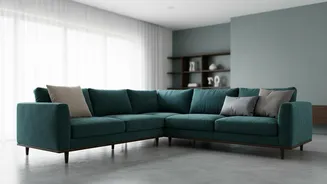
were told not to play and where life only seemed to happen during festivals or when esteemed guests were visiting. It was less a living room and more a museum of the family's aspirations. Today, that model is being dismantled. The contemporary living room is no longer a static display but a dynamic hub of daily life. It's where the family gathers for movie nights, where work-from-home calls are taken, where children do their homework, and where friends gather for casual conversations. The focus has decisively moved from social performance to personal comfort and practicality.
New Needs for Modern Indian Life
Several factors are driving this fundamental change. The rise of nuclear families and the increasing density of urban living mean that every square foot has to earn its keep. An entire room dedicated to infrequent formal hosting has become an impractical luxury. The COVID-19 pandemic accelerated this shift, transforming homes into multi-functional spaces that had to be offices, schools, and gyms all at once. This period forced a re-evaluation of our domestic environments, highlighting the need for spaces that support well-being and flexibility. Furthermore, a new generation of homeowners, particularly millennials and Gen Z, are bringing a different set of values. They prioritise authenticity, mental well-being, and self-expression, seeking to create personal sanctuaries rather than public statements. Their homes are expected to tell a story of their lives, not just display wealth.
Defining ‘Lived-In’ Luxury
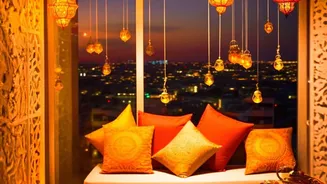
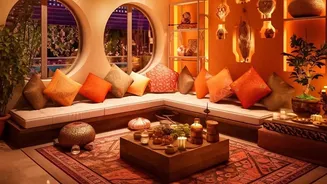
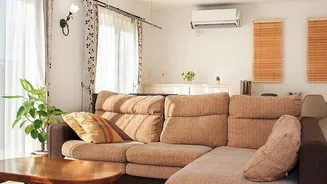
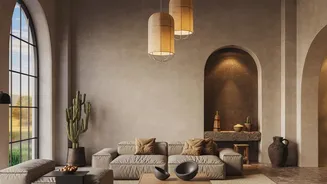
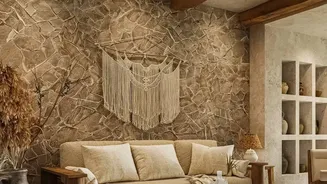
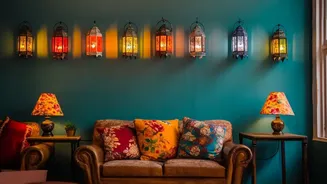
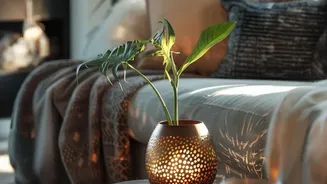
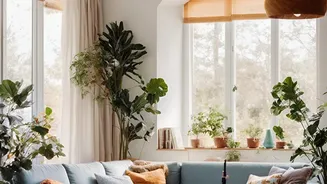
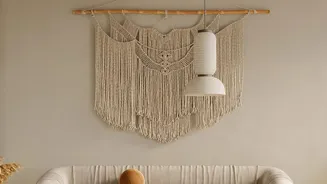
This new approach has redefined what luxury means in an Indian context. It is no longer about heavy ornamentation or sheer scale. Instead, the new luxury is quieter and more intentional, focusing on atmosphere and experience. This aesthetic of 'lived-in luxury' is built on several key principles. Natural and tactile materials are paramount; think of warm woods like teak and sheesham, breathable fabrics like linen and handwoven cotton, and the earthy touch of stone and terracotta. Furniture is chosen for its comfort and durability, with plush, inviting sofas replacing rigid, formal seating. There is a growing appreciation for craftsmanship and pieces with provenance, whether it's a locally sourced artisan-made rug or a cherished family heirloom. This approach allows for imperfections, celebrating the character that comes with use and age, a philosophy beautifully captured in the growing popularity of Japandi design—a blend of Japanese wabi-sabi and Scandinavian hygge—which feels surprisingly at home with Indian craft traditions.
A Reflection of Deeper Values
Ultimately, the shift in our living rooms is more than just a design trend; it's a mirror of evolving Indian society. The move away from display-first grandeur signals a turn inward, towards a greater emphasis on the family unit and individual well-being. It reflects a newfound confidence where identity is not solely defined by social standing but by personal contentment and authenticity. By creating spaces that are adaptable, personal, and comfortable, Indians are crafting homes that are a truer reflection of who they are and how they want to live. The living room is finally living up to its name, becoming the vibrant, beating heart of the home where real life, in all its beautiful messiness, is encouraged to unfold.