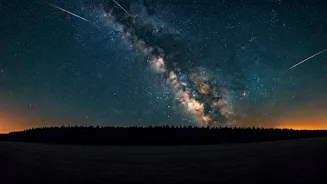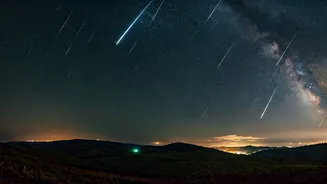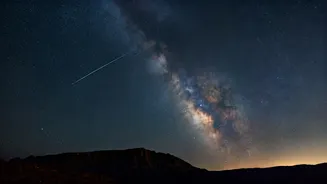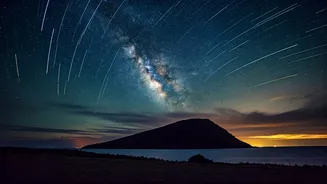




Two Showers, One Night
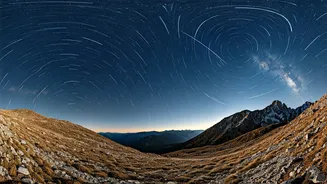
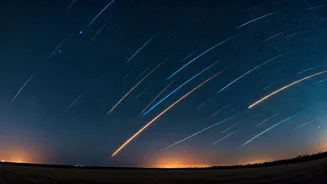
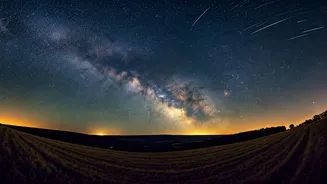
This July offers a special treat for stargazers: two meteor showers peaking simultaneously. The Southern Delta Aquariids and the Alpha Capricornids are both active and will reach their peak activity around the night of July 30-31, 2026. The Southern Delta Aquariids are known
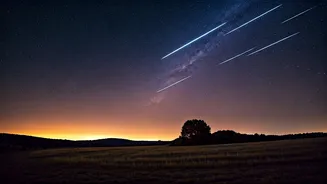
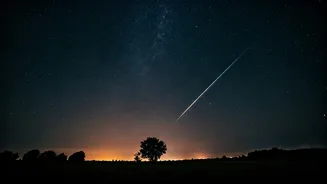
for a steady stream of meteors, though they can be faint. The Alpha Capricornids produce fewer meteors per hour but are famous for their spectacularly bright and slow-moving fireballs. Seeing them together means you get both quantity and quality, a rare and exciting opportunity for anyone looking up at the night sky.
The Big Challenge: A Bright Moon
There's one major catch for this year's double shower: the Moon. The peak of the meteor showers on July 30-31 coincides with a nearly full moon. The Moon will be about 98% illuminated, and its bright glare will wash out many of the fainter meteors, significantly reducing the number of visible shooting stars. For the Delta Aquariids, which can produce up to 25 meteors per hour in perfect conditions, the moonlight will make most of them impossible to see. However, all is not lost. The bright fireballs of the Alpha Capricornids may still be powerful enough to cut through the moonlight, offering a chance to witness some truly breathtaking moments.
Best Time and Strategy to Watch
Given the bright Moon on the peak nights of July 30-31, your best strategy is to adjust your viewing schedule. The best time to watch from India will be in the pre-dawn hours, roughly between 1:30 AM and 4:30 AM IST, when the showers' radiant points are highest in the southern sky. An even better approach is to try watching a week before the peak. In the mornings from July 21 to July 26, the Moon will have set before or around midnight, leaving the skies much darker for meteor spotting. This window provides a better chance to see the fainter Delta Aquariids before the peak and its accompanying bright moonlight.
Where to Go in India
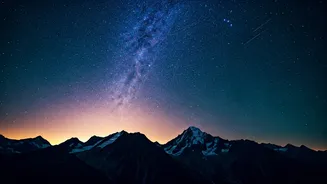
To see any meteor shower, you must get away from city lights. Light pollution is the biggest obstacle after the Moon. For the best experience, find a location with a clear, dark sky and an unobstructed view of the horizon. In India, ideal (though remote) locations include Ladakh and Spiti Valley in Himachal Pradesh, which are known for their high altitude and clear, dry skies, making them perfect for astronomy. More accessible options include dark sky spots near Coorg in the south, or Jaisalmer and the Rann of Kutch in the west, where vast open spaces minimise light pollution. Even finding a park or open field on the outskirts of your city can make a huge difference.
Your Viewing Toolkit
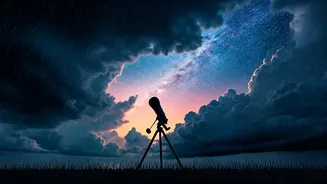
You don't need a telescope or binoculars to watch a meteor shower; your naked eyes are the best tool for the job since they allow you to see a wide swath of the sky. Comfort is key, as you'll be outside for a while. Bring a blanket or a comfortable reclining chair to lie back on. Dress in warm layers, as even summer nights can get chilly. Pack some snacks and a warm drink. Crucially, allow your eyes at least 15-20 minutes to fully adapt to the darkness—and that means no looking at your phone screen. If you need a light, use a red-light torch or cover a regular torch with red cellophane to preserve your night vision.