
Why Visit During the Festive Season?
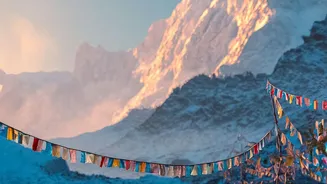
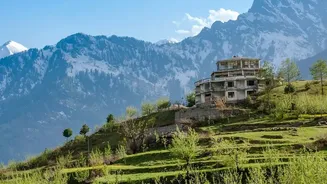
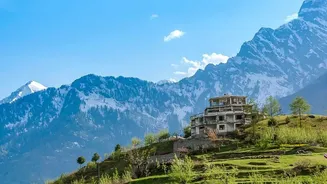
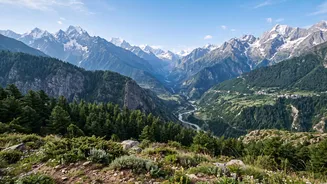
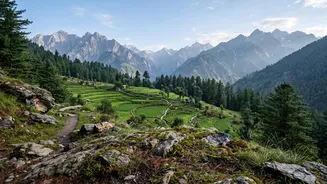
The period from October to December transforms Kinnaur into a tranquil paradise. Post-monsoon, the air is crisp, and the landscape is painted in stunning autumn hues before a blanket of snow descends. While summer sees a rush of tourists, the festive
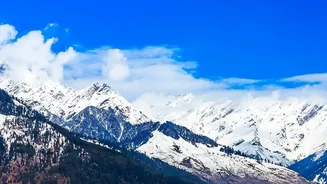
season offers a quieter, more intimate experience. You can witness local life slow down and enjoy the profound silence of the mountains. The weather is cold but manageable, with roads to Kalpa and Sangla generally remaining open. However, the road to Chitkul, the last village, often closes by mid-December due to heavy snow. It's the perfect time for those seeking solitude and breathtaking winter landscapes without the peak season crowds.
Crafting Your Itinerary (7-8 Days)
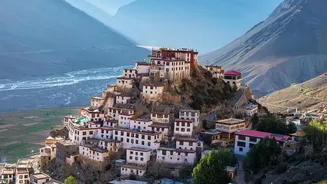
A well-paced road trip is the best way to experience this region. A 7 to 8-day itinerary from Delhi or Chandigarh is ideal. Start with an overnight halt at Shimla or Narkanda to acclimatise. From there, drive to Sangla Valley, your base for the next two to three days. Explore the charming villages of Sangla and Rakcham, walk along the Baspa River, and visit the historic Kamru Fort. A day trip to Chitkul is a must if road conditions permit. After Sangla, make the short but scenic drive to Kalpa (around 2-3 hours), where you can spend two days soaking in the magnificent views of the Kinner Kailash range, visiting the local monastery, and exploring Roghi village.
Getting There: The Journey is the Destination
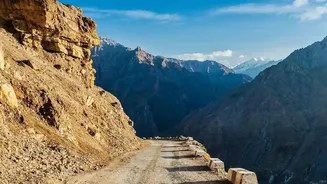
The route to Kinnaur is via National Highway 5, a stunning road carved into the mountains alongside the Sutlej River. You can self-drive, hire a private taxi from Delhi or Chandigarh, or take an HRTC bus. The journey is long but incredibly scenic. From Delhi, plan for an overnight stop in Shimla or Narkanda. The road from Shimla to Kalpa and Sangla is generally open year-round but can be prone to landslides, so it's wise to check local road status updates before you travel. The drive from Karcham Dam to Sangla is particularly narrow and requires careful driving. For Indian citizens, no special permits are needed to visit Kalpa, Sangla, or Chitkul; just carry a valid government photo ID. Foreign nationals do not need a permit for these lower Kinnaur areas but require a Protected Area Permit (PAP) for regions beyond.
Where to Stay: Homestays and Hotels
Accommodation in Sangla and Kalpa ranges from budget-friendly homestays to comfortable hotels. Homestays offer an authentic experience, with home-cooked meals and a glimpse into the local way of life. In Sangla, you can find options in Sangla village itself, or in the quieter hamlet of Rakcham. Kalpa has numerous hotels and guesthouses offering spectacular direct views of the Kinner Kailash peak. During the festive season, it's advisable to book your stay in advance, especially if you have specific preferences. Zostel also has properties in Sangla and Chitkul, which are popular with backpackers. Expect basic amenities in most places, with running hot water being a key consideration in the cold.
What to Eat: A Taste of Kinnauri Cuisine
Kinnauri food is simple, hearty, and designed to provide warmth in the cold climate. Don't miss trying Siddu, a steamed bread often stuffed with poppy seeds or walnuts. Thukpa, a comforting noodle soup with Tibetan origins, is widely available and perfect for a chilly evening. The region is famous for its apples and dried fruits like apricots, as well as chilgoza (pine nuts), which are a local delicacy. Many homestays will serve you traditional meals made from local ingredients, including dishes made with buckwheat and barley. While there are restaurants in the main towns of Reckong Peo and Sangla, the best culinary experience often comes from the local kitchens of your homestay.
Packing Essentials for a Winter Trip
Packing correctly is crucial for a comfortable trip. Layering is key. Pack thermal wear, fleece jackets, and a good quality down or synthetic insulated jacket. Sturdy, waterproof shoes with good grip are essential for walking on potentially snowy or icy paths. Other must-haves include woollen socks, gloves, a cap, and a scarf. Carry a basic medical kit with remedies for altitude sickness, pain relief, and any personal medications. Sunscreen and sunglasses are important, as the sun at high altitudes can be harsh. Since ATMs can be unreliable, it's wise to carry sufficient cash. Network connectivity is patchy; BSNL and Jio tend to work better than other networks, but don't expect consistent internet.