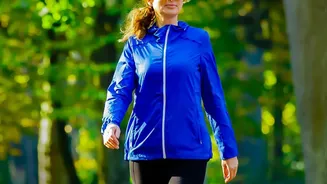








What Is the 'Lymphatic Walk'?
Social media is buzzing with claims about a specific walking style that can supposedly "flush toxins," reduce bloating, and give your immune system a major boost. Videos promoting lymphatic walking often suggest focusing on posture, deep belly breathing,
and a free arm swing to maximise the benefits. While the name is new, the core idea taps into a well-established physiological principle: movement is essential for a healthy lymphatic system. The trend essentially rebrands regular, intentional walking with a wellness-focused narrative, promising a feeling of lightness and reduced puffiness.
Your Body's Silent Drainage System
To understand the trend, you first need to know about the lymphatic system. Think of it as your body's second circulatory network, a silent partner to your blood vessels. This complex system of vessels and nodes is crucial for balancing fluid levels, fighting infection by transporting white blood cells, and clearing cellular waste and toxins. But unlike your cardiovascular system, which has the heart as a powerful pump, your lymphatic system is passive. It relies almost entirely on external forces—namely, muscle contractions and deep breathing—to move fluid along.
How Walking Actually Helps
This is where walking comes in. Any form of walking, whether you call it "lymphatic" or not, stimulates lymph flow. Every time you take a step, the muscles in your legs, hips, and core contract and relax. This rhythmic squeezing acts as a natural pump for the lymphatic vessels, pushing the fluid upward through your body. Deeper breathing, which naturally occurs during a brisk walk, also plays a key role by changing the pressure in your chest, helping to draw lymph fluid toward the centre of your body where it can be returned to the bloodstream. So, yes, walking genuinely supports your lymphatic system's function.
Fact vs. Fiction: Managing Expectations
While walking is undoubtedly beneficial for lymph flow, it's important to separate the proven science from exaggerated claims. There is no scientific evidence to suggest that a special "lymphatic walking" technique works better than a normal, brisk walk. The benefits come from the movement itself, not a secret formula. Claims that it can "melt fat" are misleading; any feeling of lightness is typically due to a temporary shift in body fluid, not fat loss. Similarly, while a healthy lymphatic system is a key part of your immune response, a walk won't "instantly" boost your immunity or replace the function of your liver and kidneys in detoxification. The real benefit is in supporting one of your body's natural, essential processes through consistent activity.
A Practical Guide to Walking for Wellness
You don't need a complicated routine to reap the lymphatic benefits of walking. The best approach is the one you can stick with consistently. Aim for a 20 to 45-minute walk on most days of the week. Focus on maintaining a good, upright posture to allow for deep diaphragmatic breathing. Let your arms swing naturally instead of holding a phone, as this gentle motion can help stimulate the lymph nodes in your armpits. Above all, focus on relaxed, rhythmic movement. Paired with adequate hydration and gentle post-walk stretches, this simple habit is a powerful tool for supporting your overall health, from circulation to stress reduction.