





The Next Leap in Battery Tech
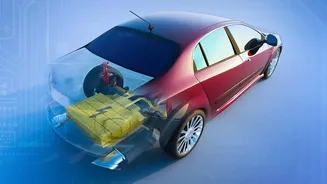
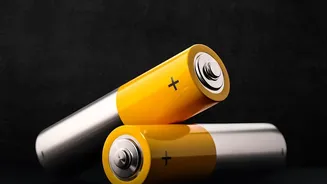
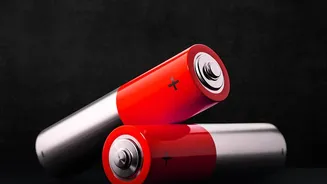
At its core, a solid-state battery is a next-generation power source that swaps the liquid or gel component (called an electrolyte) found in today's common lithium-ion batteries for a solid material. This single change unlocks a cascade of benefits. The
solid electrolyte is not flammable, which dramatically reduces the risk of battery fires, a major safety concern for vehicle owners. Furthermore, this solid structure allows for a more compact and energy-dense design. This means manufacturers can pack more power into a smaller, lighter battery, or offer the same range with a significantly lighter and less cumbersome pack.
The Path to Lower Costs
While currently more expensive to produce, the path to lower costs for solid-state batteries is becoming clearer. A key factor is the potential to use more abundant and less expensive raw materials. The design can accommodate a lithium-metal anode, which is more energy-dense and could eventually simplify manufacturing compared to the complex graphite anodes in lithium-ion cells. Additionally, the inherent safety and thermal stability of solid-state cells reduce the need for bulky and expensive cooling and safety management systems that are essential in current battery packs. As manufacturing techniques improve and scale up, these simplified packs are expected to become cheaper to produce than their lithium-ion counterparts, with some projections suggesting cost parity could be reached around 2029-2030.
A Perfect Match for India's Roads
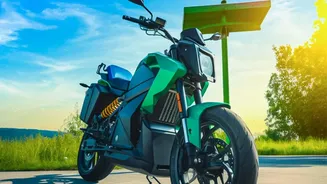
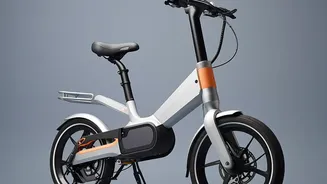
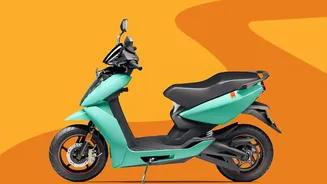
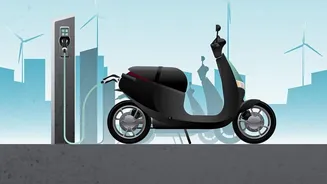
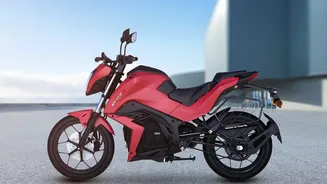
The benefits of solid-state technology are especially relevant for India's massive two-wheeler market. Lighter battery packs make scooters and motorcycles more nimble and easier to handle. Higher energy density means a longer range for the daily commute without the dreaded 'range anxiety'. Perhaps most importantly, the enhanced safety profile addresses a critical concern for users who often park and charge their vehicles inside their homes. The technology's superior performance in a wide range of temperatures is also a huge plus for the diverse Indian climate. As India pushes forward with its EV adoption goals under schemes like the PLI for Advanced Chemistry Cells, this technology aligns perfectly with the national vision for cleaner, safer, and more accessible mobility.
From Lab to Pavement
The transition from theory to reality is already underway. Globally, major firms like Toyota, CATL, and BYD are targeting 2027-2028 for initial production runs. In India, the landscape is also buzzing with activity. Researchers in Bangalore have reported significant breakthroughs, demonstrating a prototype with exceptional range and fast-charging capabilities in tests conducted as recently as August 2026. These developments are attracting investment and fostering partnerships aimed at building a domestic manufacturing ecosystem. While mass adoption in entry-level two-wheelers is still a few years away, the first premium models featuring this technology are expected to hit the market soon, paving the way for broader availability by the end of the decade.
What This Means for Riders
For the average rider, this technological shift promises a future where electric scooters are not just an environmental choice, but the most practical and economical one. The most significant impact will be on the upfront cost of the vehicle, making EVs accessible to a much wider audience. Beyond the price tag, daily life with an EV will become more convenient. Imagine charging your scooter in minutes, not hours, and traveling for longer distances on a single charge. The improved longevity of solid-state batteries also means the battery pack will last much longer, retaining most of its capacity even after thousands of charge cycles, enhancing the vehicle's long-term value. This combination of lower cost, greater convenience, and enhanced safety is the formula needed to truly kickstart an electric revolution on two wheels.