





Launch Vehicle and Propulsion Engineering
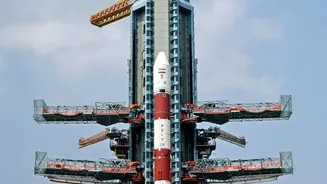
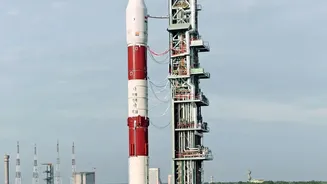
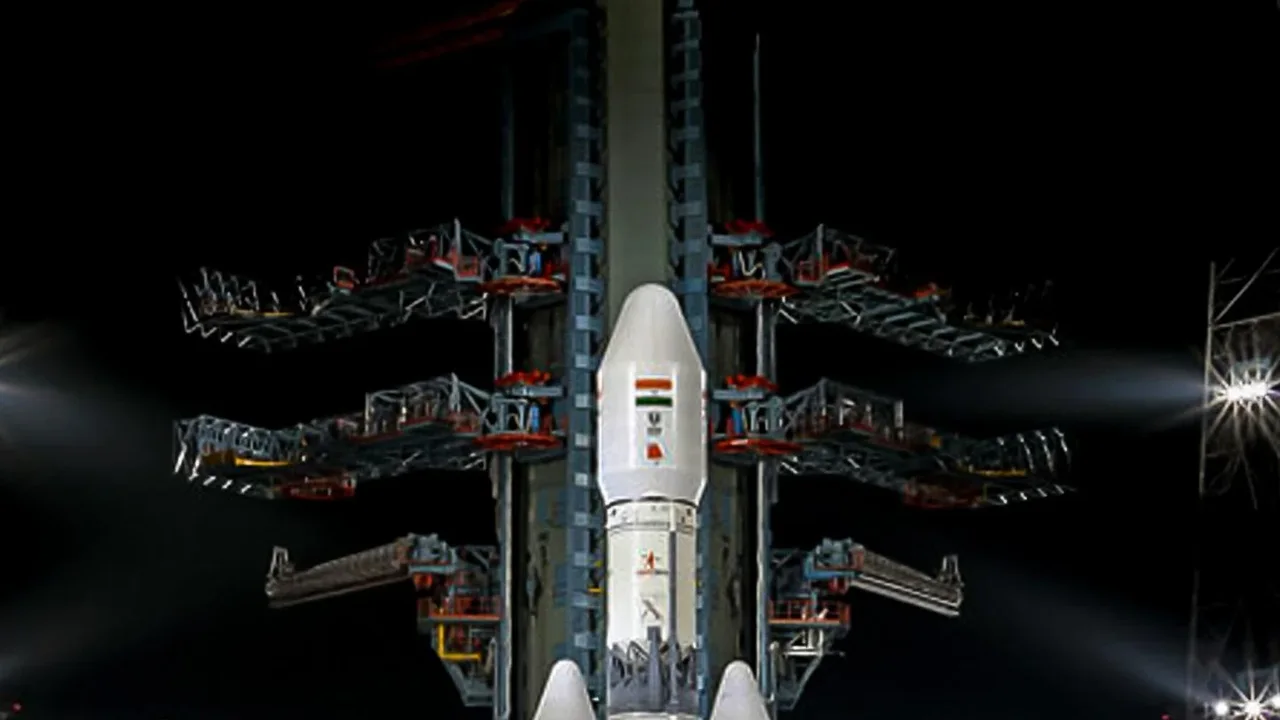
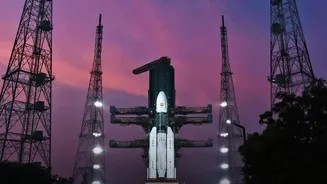
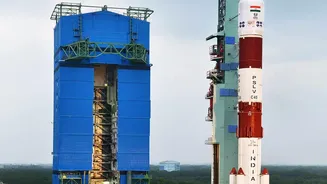
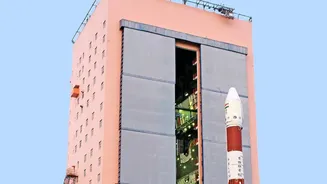
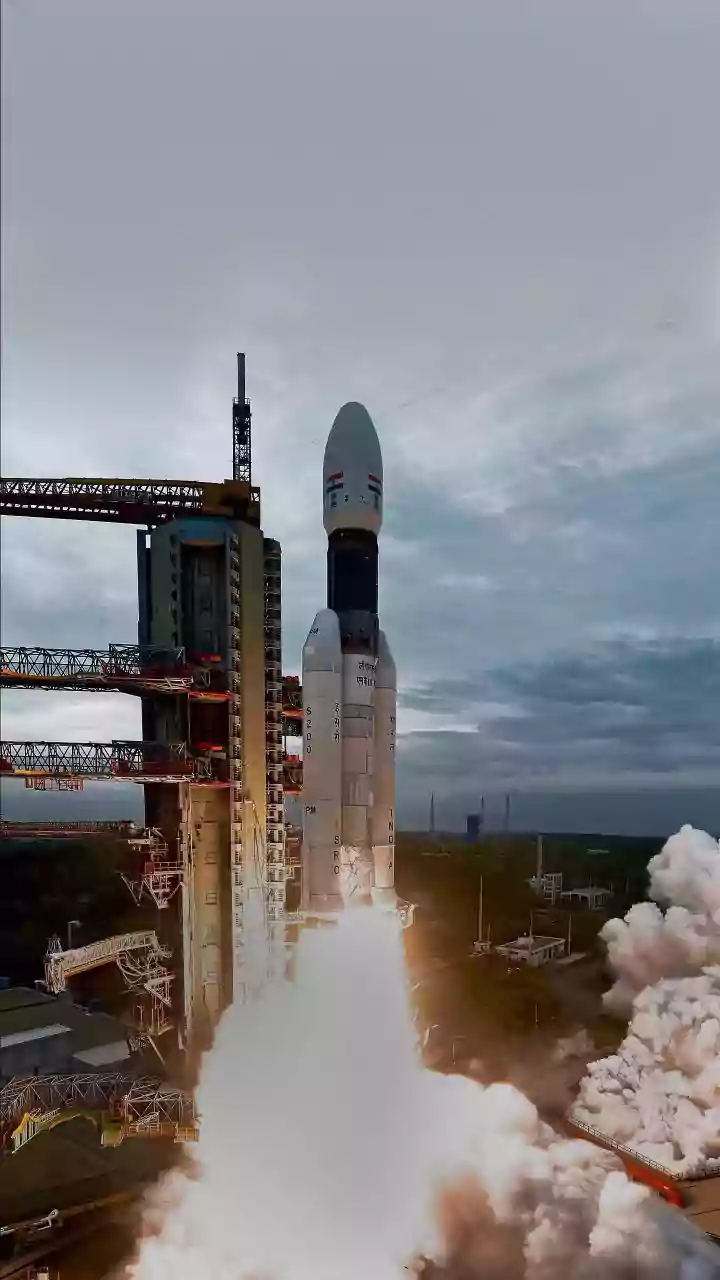
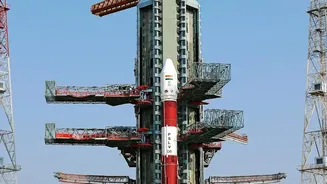
The days when ISRO was the only entity launching rockets from Indian soil are over. Today, private companies like Skyroot Aerospace and Agnikul Cosmos are developing and launching their own vehicles, like the Vikram-S and the 3D-printed Agnibaan rocket.
This has ignited demand for engineers specializing in propulsion, structural design, avionics, and systems integration. These roles involve everything from designing rocket engines that use new-age propellants to ensuring the structural integrity of the launch vehicle as it punches through the atmosphere. Professionals with a background in aerospace, mechanical, and electronics engineering are in high demand to build the rockets that will carry India’s commercial space future.
Satellite Design and Manufacturing
Satellites are the workhorses of the space economy, crucial for communication, Earth observation, and navigation. This sub-sector is no longer exclusive to government agencies. Private players like Dhruva Space and Pixxel are building everything from satellite platforms to entire constellations. This boom has created jobs for satellite systems engineers, payload designers, power systems specialists, and assembly and integration technicians. These experts work on designing the satellite's 'bus' (the main body), integrating sensitive cameras and sensors (the payload), and ensuring it can survive the harsh environment of space. Bengaluru and Hyderabad have emerged as major hubs for these activities.
Space-Based Data Analytics
Launching hardware is only half the story; the real value often lies in the data collected from space. Earth observation is a massive commercial frontier. Companies such as SatSure and Pixxel use satellite imagery to provide insights for agriculture, climate monitoring, insurance, and urban planning. This has created a surge in demand for geospatial data analysts, remote sensing engineers, and machine learning specialists. These professionals don't build the rockets, but they interpret the terabytes of data they send back. A strong background in computer science, data science, and GIS (Geographic Information Systems) is key for a career in this data-driven corner of the space industry.
Software, AI, and Mission Control
Modern space missions run on sophisticated software. Aerospace software engineers are essential for developing the on-board flight software that controls spacecraft, mission planning algorithms, and autonomous navigation systems. Roles in mission control are also expanding beyond the government, with private firms needing engineers to monitor and manage their own satellite fleets. Furthermore, the use of AI and robotics is a growing area of focus for managing complex operations and analyzing data. This track is perfect for engineers with strong coding skills in languages like Python and C++, as well as experience in embedded systems, who want to apply their talent to the final frontier.
The Broader Ecosystem: Policy, Law, and Business
As the private space sector grows, so does the need for non-technical professionals. The establishment of IN-SPACe, the regulatory body for private space activities, highlights the growing importance of space policy and law. Companies also need business development managers to secure international clients, finance professionals to manage massive investments, and communicators to tell their stories. India's space economy is projected to grow from around $9 billion to over $40 billion by the next decade, a five-fold increase that will require a diverse workforce to sustain it. This expansion means that even without an engineering degree, there are pathways to contribute to India's space journey.