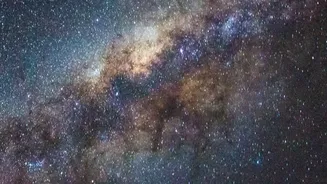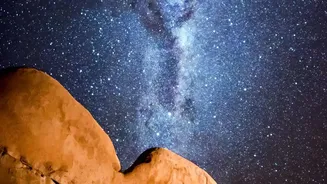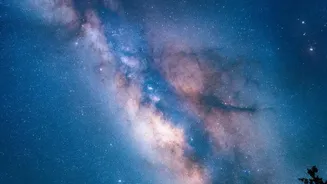



What is Computational Astrophotography?
At its heart, computational astrophotography is a clever software solution to a physical problem. A smartphone's camera sensor is tiny, making it difficult to capture enough light from faint, distant objects like stars and galaxies. Traditionally, photographers
overcame this with large cameras and long exposure times, keeping the shutter open for seconds or minutes. On a phone, this would result in a bright, noisy, and blurry mess. Instead of a single long exposure, computational methods take many shorter shots in quick succession. An intelligent algorithm then analyses these frames, aligns them to account for the Earth's rotation and any minor handshake, and stacks them together. This process effectively multiplies the amount of light information captured while simultaneously identifying and removing random 'noise'—the grainy, discoloured pixels common in low-light photos.
How Your Smartphone Performs This Magic
When you put a compatible phone on a tripod and point it at the night sky, dedicated astrophotography modes spring into action. Phones like the Google Pixel series, a pioneer in this field, can take up to 15 frames, each with an exposure of up to 16 seconds, over a period of about four minutes. The software then identifies the stars to keep them as sharp points of light, differentiates them from random hot pixels, and even intelligently darkens the sky for a more natural look without affecting foreground elements. Samsung's Expert RAW app offers a similar 'Astrophoto' feature, which also combines multiple images to enhance detail and reduce noise, giving users more control and saving the image in a RAW format for greater editing flexibility. Even iPhones, using their Night Mode with a long 30-second exposure on a tripod, leverage similar stacking principles to pull amazing detail from the darkness.
The Phone in Your Pocket Might Be a Telescope
The list of phones capable of impressive night-sky feats is growing. Google's Pixel line, from older models to the latest Pixel 10 Pro, is often cited as the leader for its simple and effective, fully automated astrophotography mode. Samsung isn't far behind, with its flagship Galaxy S series, like the S26 Ultra, offering a powerful combination of high-resolution sensors and granular control through the Expert RAW application. Apple users with an iPhone 11 or newer can achieve great results by using the built-in Night Mode, which can extend exposures up to 30 seconds when the phone is stable on a tripod. Other brands like Honor and Vivo are also making significant strides in low-light and astrophotography performance, often giving users robust 'Pro' modes to manually set the ideal parameters.
Your First Milky Way Photo: A Quick Guide
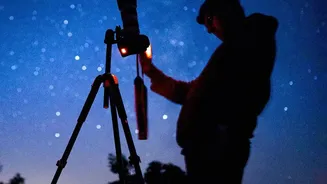
Ready to try it yourself? First, escape the city. Light pollution is the number one enemy of stargazing, so find the darkest location you can. Use a light pollution map app to find a good spot. Second, timing is everything. The Milky Way core is best viewed in the Northern Hemisphere between March and October, and you should plan your shoot around a New Moon for the darkest possible skies. Third, gear up—but keep it simple. You need a tripod to keep your phone perfectly still for the long exposure. A remote shutter or using your phone's built-in timer will prevent shake from tapping the screen. Finally, set your phone. Use the dedicated astrophotography mode if available. If not, use a manual or 'Pro' mode to set a long shutter speed (15-30 seconds), a high ISO (start around 1600), and manually set focus to infinity.