





The Friday Ritual: Reimagined
For decades, the Indian film industry operated on a predictable rhythm. A film's fate was sealed in its opening weekend at the box office. This theatrical-first model created event-level buzz, fueled by posters, trailers, and word-of-mouth. But the rise
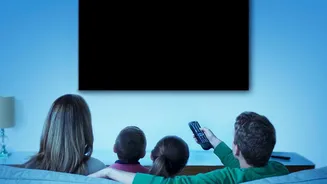
of Over-The-Top (OTT) platforms like Netflix, Amazon Prime Video, and Disney+ Hotstar has dismantled this long-standing tradition. The pandemic acted as a massive catalyst, forcing even big-budget star vehicles to premiere directly on streaming services. This introduced concepts like 'direct-to-digital' releases and drastically shortened 'theatrical windows'—the exclusive period a film plays in cinemas. While initially a necessity, it has now become a strategic choice, creating a hybrid model where the path from production to your living room is more varied than ever.
The Algorithm Is the New Critic
In the age of streaming, film discovery is no longer solely about what critics praise or what your friends recommend. It’s increasingly driven by algorithms. These complex systems analyze your viewing history, what you search for, and even what you pause or rewind, to curate a personalized feed. Netflix has stated that over 80% of content watched on its platform is discovered through its recommendation engine. This solves the 'paradox of choice'—in a library of thousands of titles, the algorithm acts as a personal guide, showing you what it thinks you'll like. It can lead to incredible discoveries, helping a niche regional film from Kerala find an audience in Punjab. However, it can also create a 'filter bubble', where you are continuously fed the same genres, making it harder to stumble upon something truly different.
A Lifeline or a Gamble for Small Films?
For small, independent, and regional cinema, OTT platforms initially seemed like a revolution. They offered a way to bypass the expensive and competitive theatrical distribution system, where a small film might struggle to secure more than 200 screens. A direct-to-digital release provided access to a massive, even global, audience overnight. However, as platforms have grown, they have also become more commercialized, often prioritizing big-budget films with major stars to attract and retain subscribers. This has made it difficult for new and independent voices to achieve visibility without a significant marketing push or a production banner's backing. For some, OTT remains a lifeline, providing a viable revenue model; for others, it's a new struggle to be seen in a crowded digital space.
The Industry Pushes Back: A Return to Theatrical Primacy?
After a few years of digital-first experimentation, the pendulum is swinging back. In 2026, the industry is seeing a major reset. Streaming giants, focusing more on profitability, are becoming stricter. Some are even tying their final payout for a film's digital rights to its box office performance. This has pushed producers to re-prioritize theatrical success. Simultaneously, film exhibitors, particularly in the South, are demanding a longer, eight-week exclusive theatrical window to encourage audiences to return to cinemas. This is a significant shift from the four-week window that had become common. The message is becoming clear: the 'safety net' of a guaranteed OTT buyout is shrinking, and the big screen is once again being positioned as the primary battleground for a film's success and cultural impact.