




Why the Monsoon Demands a Different Approach
The magic of the monsoon is often accompanied by high humidity. This constant moisture creates the perfect breeding ground for mould, mildew, and fungi, which are responsible for that persistent musty smell on clothes, walls, and furniture. The dampness
also invites pests like ants, flies, and silverfish, who find their way indoors seeking shelter and food. While chemical cleaners are an option, they can be harsh. Rediscovering the power of natural ingredients is not just a trend; it's a smart, effective, and eco-friendly way to tackle these seasonal challenges head-on, addressing the root cause rather than just masking the symptoms.
Vinegar: The Acidic Answer to Mould and Odour
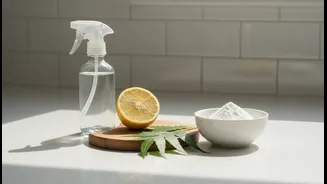
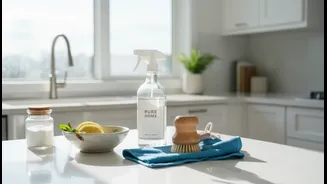
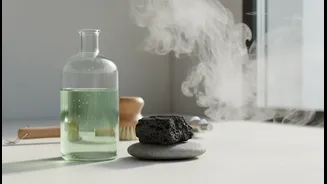
White vinegar is a formidable opponent against common monsoon problems. Its acidity, primarily from acetic acid, allows it to kill a remarkable percentage of mould species. To combat mould on walls or tiles, spray undiluted white vinegar directly onto the affected area, let it sit for an hour, and then scrub it clean. For laundry that has acquired a damp, musty smell, adding a cup of vinegar to the wash cycle can neutralise odours and soften fabrics. A diluted solution of equal parts vinegar and water also makes an excellent all-purpose cleaner for floors and surfaces, helping to disrupt the scent trails that ants use to navigate your home. However, a word of caution: its acidic nature can damage natural stone surfaces like marble, so avoid using it there.
Baking Soda: The Ultimate Moisture and Odour Absorber
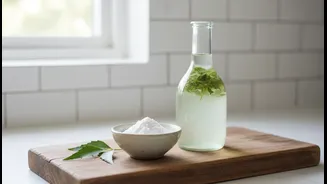
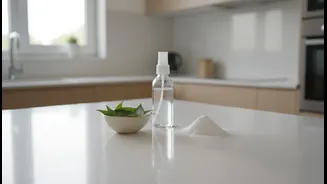
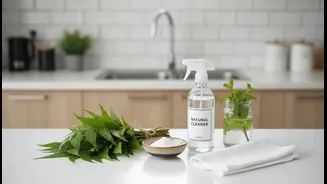
Baking soda is a master of absorption and neutralisation. Its alkaline nature makes it highly effective at soaking up excess moisture from the air and neutralising acidic odours. To fight dampness in enclosed spaces, place open bowls of baking soda in wardrobes, shoe racks, and bathrooms. For carpets and upholstery that feel damp or smell stale, sprinkle a generous amount of baking soda, let it sit for about 30 minutes, and then vacuum it up thoroughly. You can also create a powerful cleaning paste by mixing baking soda with a small amount of water to scrub away grime from surfaces. For clogged or smelly drains, a combination of baking soda followed by vinegar creates a fizzing reaction that can help clear blockages.
Neem: The Traditional Guardian Against Pests
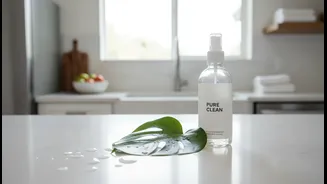
Neem has been a cornerstone of Indian households for generations, prized for its potent antifungal, antibacterial, and insect-repellent properties. During the monsoon, it's an invaluable tool for keeping pests at bay. Boiling a handful of neem leaves in water, cooling the liquid, and adding it to your mopping water is a traditional method for cleaning floors and deterring insects. For wardrobes and bookshelves, placing dried neem leaves (shade-dried to preserve their essential oils) in small cloth pouches can help protect clothes and books from mites and silverfish while combating stale smells. A diluted spray of neem oil can also be used in corners and on plants to discourage pests. Its distinct herbal scent is a hallmark of a naturally protected home during the rainy season.