





The Power of Protein
There's a good reason protein gets so much attention. It's a fundamental building block for the body, essential for repairing tissues, building muscle, supporting immune function, and creating vital enzymes and hormones. Meals higher in protein can also
help you feel fuller for longer, which can aid in weight management by reducing the urge to overeat. Its ability to slow down digestion helps to control blood sugar levels, preventing the sharp spikes and crashes that can follow a carbohydrate-heavy meal. So yes, protein is incredibly important, but it doesn't work in isolation.
Carbohydrates: The Body's Preferred Fuel
Carbohydrates have been unfairly demonised in many diet trends, but they are the body's primary and most efficient source of energy. Your brain, central nervous system, and muscles all rely on the glucose from carbohydrates to function optimally. When you don't consume enough carbs, your body is forced to find alternative fuel sources. This can mean breaking down valuable protein for energy, a process that puts extra strain on your kidneys. Think of it this way: carbohydrates spare protein, allowing it to focus on its primary job of building and repairing, rather than being burned for fuel.
Don't Fear Healthy Fats
Fats are another misunderstood macronutrient. They are a significant source of energy and are crucial for several critical bodily functions. Healthy fats are necessary for hormone production and brain health. They also play a vital role in absorbing fat-soluble vitamins—A, D, E, and K—which are essential for everything from vision to bone health and immune defence. Without adequate fat in your diet, these vitamins can't be properly absorbed, no matter how many nutrient-rich vegetables you eat. Including sources like avocados, nuts, seeds, and olive oil makes meals more satisfying and supports long-term health.
The Mighty Micronutrients and Fibre
Beyond the big three macronutrients, a healthy diet is rich in micronutrients—vitamins and minerals. These are needed in smaller amounts but are absolutely essential for nearly every process in the body, from energy production to fighting disease. A diet that over-emphasises protein from limited sources, like meat and shakes, can easily lack the variety needed to get a full spectrum of these nutrients. This is also where fibre comes in. Found in fruits, vegetables, and whole grains, fibre is critical for digestive health and can be severely lacking in high-protein, low-carb diets, often leading to issues like constipation.
The Risks of an Imbalance
Focusing too heavily on protein can have downsides. Consistently consuming more than your body needs can put stress on your kidneys, which have to work harder to filter out the waste products from protein metabolism. If a high-protein diet relies heavily on red and processed meats, it can increase the intake of saturated fats, which is linked to a higher risk of heart disease. Furthermore, since protein contains calories, simply adding more protein without adjusting the rest of your diet can lead to weight gain, not loss.
Building a Truly Balanced Plate
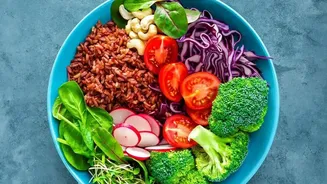
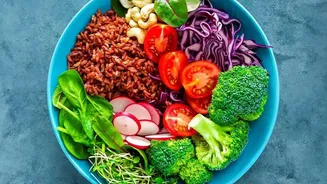
So, what does a balanced meal actually look like? A simple and effective visual guide is the plate method. Aim to fill half of your plate with a colourful variety of fruits and vegetables. These provide essential vitamins, minerals, and fibre. One quarter of your plate should be a source of lean protein, like fish, chicken, beans, or lentils. The final quarter should be dedicated to whole grains or starchy foods, such as brown rice, quinoa, or potatoes, to provide that all-important energy. This approach ensures you're getting a synergistic mix of all the nutrients your body needs to thrive.