

1. Master the Art of Steaming
Steaming is a cornerstone of zero-oil cooking and a fantastic way to preserve the natural taste, texture, and nutrients of your food. This method uses water vapour to cook ingredients gently, which means water-soluble vitamins like B and C are retained
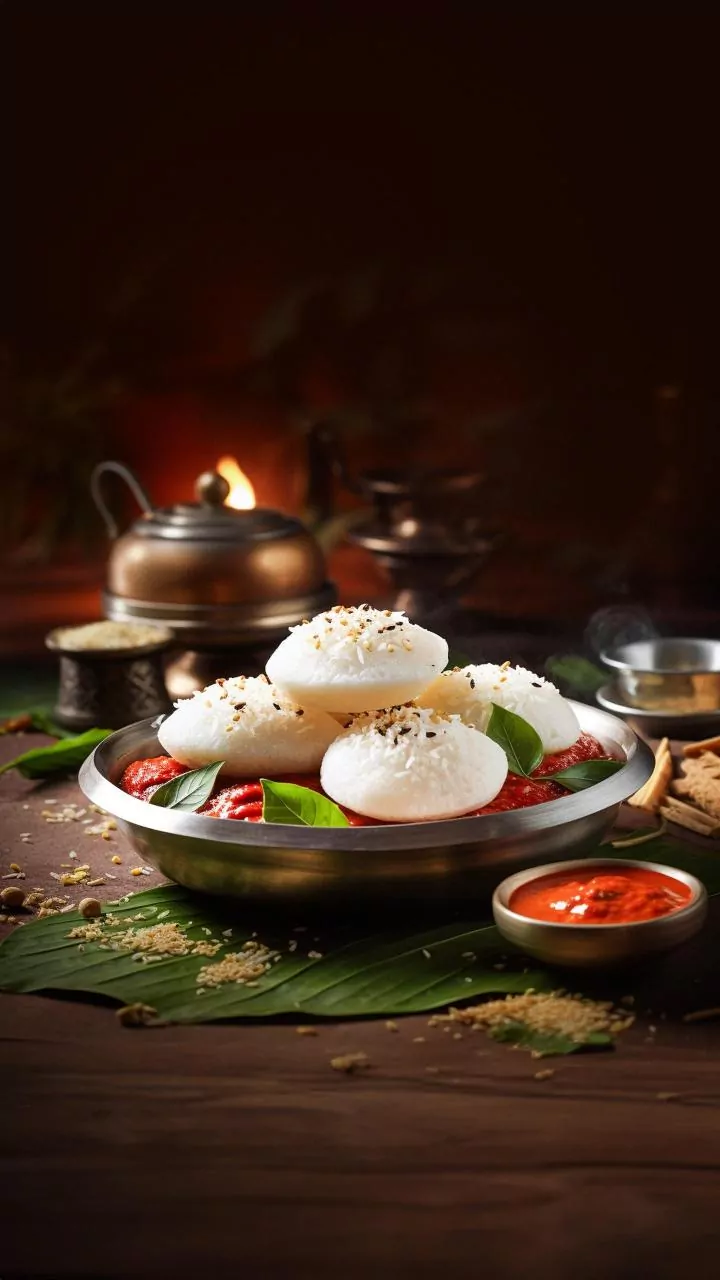
far better than with boiling or frying. Think of classic Indian dishes like fluffy idlis, soft dhoklas, and delicate momos, all of which are cooked without a single drop of oil. Steaming is also perfect for vegetables, fish, and chicken. The steam cooks the food evenly and can even help dissolve and remove some of the natural fats in meats, making them lighter and easier to digest. Since it requires no added fat, it's a win for both your health and your wallet.
2. Embrace the Air Fryer
The air fryer has become a kitchen superstar for good reason. It offers a way to get that crispy, crunchy texture of fried food with up to 80% less oil. An air fryer works like a small convection oven, circulating hot air at high speed to cook and crisp the food. This makes it a brilliant replacement for deep-frying favourites like samosas, pakoras, cutlets, and French fries. While there's an initial investment in the appliance, the long-term savings on cooking oil can be significant. Foods that have their own natural fat, like chicken or certain fish, often need no extra oil at all in an air fryer. It’s a modern, efficient way to make healthier versions of snacks that would otherwise be reserved for special occasions.
3. Go for Grilling and Roasting
Roasting and grilling are excellent methods for developing deep, caramelised flavours in vegetables and proteins without drenching them in oil. By using dry, high heat—either in an oven, on a grill pan, or even a simple tawa—you can achieve a wonderful texture. Think of smoky baingan bharta, where the eggplant is roasted whole, or paneer and chicken tikka, which only require a minimal coating of oil or marinade to prevent sticking. For vegetables, tossing them in spices and a tiny bit of liquid like stock or lemon juice before roasting can help them brown beautifully without oil. Arranging food in a single layer is key, as this ensures it roasts rather than steams. This technique proves that flavour comes from heat and ingredients, not just fat.
4. Rely on Your Pressure Cooker
The pressure cooker, a staple in almost every Indian kitchen, is an unsung hero of low-oil cooking. It uses steam trapped under high pressure to cook food incredibly fast, which saves fuel and time. This method is perfect for making dals, legumes like rajma and chole, and one-pot meals like pulao or khichdi with minimal to no oil. Because the cooker is sealed, moisture is locked in, preventing food from drying out or sticking to the bottom, which is often why more oil is added in traditional pan cooking. You can easily prepare a flavourful dal or curry base by simply adding spices to water, negating the need for an oil-heavy tadka at the start.
5. Bake, Don't Just Fry
Baking isn't just for cakes and biscuits; it's a versatile low-oil method for many savoury Indian snacks that are traditionally fried. Items like samosas, kachoris, mathris, and even cutlets can be baked in an oven to achieve a satisfying crunch with significantly less fat. While fried snacks absorb a large amount of oil, baked versions only need a light brushing to get a golden-brown finish. This switch drastically cuts down on calories and unhealthy fats, making your favourite snacks more suitable for regular consumption. Though the texture might be slightly different from the deep-fried original, the flavour remains delicious, offering a guilt-free way to enjoy traditional treats.