






Your Portfolio Is the New CV
In creative, tech, and many other project-based fields, what you can do often matters more than where you've worked. A traditional CV lists past responsibilities, but a portfolio proves your skills in a tangible way. For a freelancer, it is the single
most important tool for winning business. Hiring managers and potential clients don't just want to be told you have skills in graphic design, coding, or marketing; they want to see them in action. A strong portfolio is not merely a gallery of finished work; it is evidence of your problem-solving abilities, your creative thinking, and your professional standards. It’s your chance to show, not just tell.
The Power of the Self-Initiated Project
This is where the magic happens for those without a roster of clients. A self-initiated project is work you create for yourself, without a paying client, to solve a problem or explore an idea. Think of it as a professional assignment you give yourself. These projects are incredibly valuable because they demonstrate passion, drive, and initiative—qualities that are highly attractive to clients. They allow you to create the exact type of work you want to be hired for, rather than waiting for permission. A well-executed personal project, presented as a professional case study, can be even more impressive than a poorly presented piece of client work.
How to Brainstorm Your Project Idea
The possibilities for self-initiated projects are endless, which can be daunting. The key is to find a genuine problem to solve or a concept you are passionate about. Start by looking at the world around you. Could a local cafe's menu and branding be improved? Is there a feature you wish your favourite app had? Could you create a marketing plan for a small non-profit you admire? Another great idea is to invent a fictional brand from scratch—like a sustainable clothing line or a specialty coffee company—and build out its entire identity. The goal is to choose a project that showcases the specific skills you want to offer as a freelancer.
From Idea to an Impressive Showcase
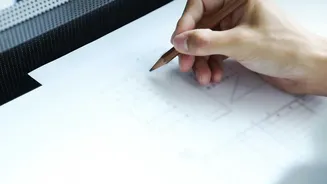
Once you have your idea, treat it like a real job. Document your entire process. This is crucial. Don't just show the final, polished result. Show your research, your early sketches, the different directions you explored, and explain the strategic choices you made along the way. Explaining why you made certain decisions—from a colour scheme to a line of code—demonstrates your critical thinking. Structure your project as a case study: start with the problem or brief, detail your process, and end with your proposed solution. This narrative transforms a simple design or piece of code into a compelling story about your capabilities.
Building a Portfolio That Gets Noticed
Your portfolio should be professional, easy to navigate, and focused on your best work. You don't need dozens of projects; 5-7 strong, well-documented pieces are far more effective. Platforms like Behance, Dribbble for designers, GitHub for developers, or even a personal website built with Squarespace or WordPress are excellent ways to display your work. When presenting your self-initiated projects, frame them with confidence. Use headlines like "A Reimagined User Experience for [App Name]" instead of "Practice Project." The language you use helps position you as a professional problem-solver, not just a student.
Using Your Portfolio to Land Work
With your portfolio ready, you can start proactively seeking freelance opportunities. Include a link to your portfolio in your email signature, on your social media profiles, and in every pitch you send to a potential client. When reaching out, you can point to a specific project and say, "I noticed a challenge similar to one I solved in this case study…" This direct connection makes your pitch far more relevant and compelling. Your portfolio becomes your ultimate proof of skill, giving clients the confidence they need to hire you, even if you're just starting your professional journey.