


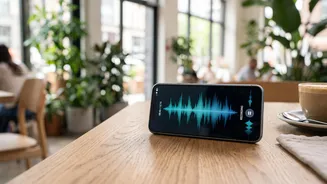


1. The Unsolicited Audio Monologue
This is the habit that sparked our list. You receive a notification, but it's not a text you can quickly scan; it's a two-minute audio note. While senders might think it's more personal or quicker than typing, it shifts the burden to the receiver. They
might be in a meeting, on public transport, or simply not have earphones handy. It makes the message inaccessible and demands their undivided attention. Furthermore, it’s impossible to search for information within an audio note later, making it impractical for sharing details like an address or a phone number. The solution is incredibly simple: just ask first. A quick message like, 'Mind if I send a voice note to explain?' shows respect for the other person's time and situation. It turns a potential annoyance into a polite exchange.
2. The Rapid-Fire Texter
You ask a simple question, and instead of a single, coherent reply, your phone buzzes a dozen times. Each text is a fragment of a thought, a sentence broken into multiple messages. While the sender might be typing as they think, this habit is highly disruptive for the recipient. It creates a constant stream of notifications that can be distracting and even stressful. Reading the full thought requires piecing together a puzzle scattered across your screen. Before you hit send, take a moment to gather your thoughts into a single, complete message. If you forget a detail, it’s fine to send a follow-up, but turning one reply into a ten-part series is a habit worth breaking for the sake of everyone's sanity.
3. The 'K' Conundrum
Few things can kill a conversation as effectively as a single-letter response. You type out a thoughtful message, and the reply you get is simply 'K'. This type of response is often perceived as passive-aggressive, dismissive, or curt. Because text messages lack the nuances of tone and body language, the ambiguity of a one-word reply often leads the recipient to assume the worst. Are they angry? Annoyed? Uninterested? The receiver is left guessing. While you might just be busy, taking an extra two seconds to type 'Okay' or 'Got it, thanks!' can make a world of difference. It feels warmer and closes the communication loop without creating unnecessary anxiety.
4. Leaving Someone on 'Read'
Read receipts can be a double-edged sword. While they confirm a message has been seen, they also create an expectation of a prompt reply. Leaving someone on 'read' for hours or days without a response can feel like a deliberate slight, a modern form of ghosting. Of course, no one is obligated to reply instantly. Life is busy. However, the anxiety this causes is real, as the sender is left to wonder if they’ve done something wrong. A simple fix can prevent this. If you've read a message but can't reply properly at that moment, send a quick holding text. Something like, 'Saw this, will get back to you later!' acknowledges the message and manages expectations, showing respect for the other person's feelings.
5. The Late-Night Messenger
A great meme or a sudden thought might strike you at 2 AM, but that doesn't mean you should share it immediately. Sending texts at unsociable hours is a common annoyance. Even if you assume the other person's phone will be on silent, you can't be sure. A buzzing phone in the middle of the night can easily disturb someone's sleep. This habit shows a lack of consideration for the other person's schedule and peace. Most smartphones now have a 'schedule send' feature. Use it. Write your message, schedule it to send at a reasonable hour like 9 AM, and let your friend or colleague sleep soundly.