

More Than Just a Mix
Fusion cooking in the Indian context isn’t about randomly combining ingredients. It is a thoughtful and creative process that marries the spices and soul of Indian food with techniques and presentation styles from around the world. Think of dishes like
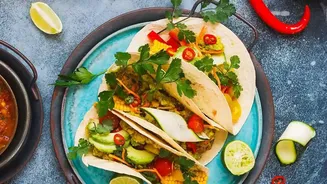
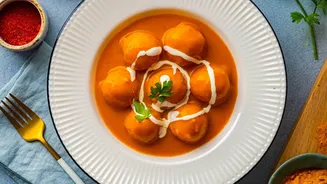
gulab jamun cheesecake, where a beloved Indian sweet meets a Western dessert staple, or paneer tikka tacos, which package a classic smoky flavour into a convenient Mexican form. This culinary movement reflects a modern Indian identity: one that is deeply connected to its roots but also globally aware and open to new experiences. It's less a replacement of tradition and more of a creative conversation with it, resulting in dishes that feel both adventurous and comfortingly familiar.
What's Driving the Change?
Several factors are stirring this culinary pot. The most significant is the influence of a younger, well-travelled generation. Exposed to global cuisines through travel, social media, and entertainment, millennials and Gen Z are eager for novel dining experiences. Instagram-worthy dishes with unique presentations, like motichoor laddo parfaits or colourful masala pasta, have immense appeal. Furthermore, as families become more diverse, with members from different backgrounds and with varied palates, fusion menus offer a way to cater to everyone. There is also a growing desire to innovate and break the monotony of traditional festive spreads, making the celebration feel more personalized and memorable.
A New Festive Plate
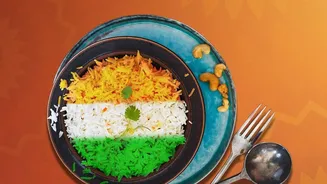
So what does this look like during festivals like Diwali or Christmas? Instead of completely discarding classics, many families are choosing to supplement them. A traditional biryani might be served alongside a Kashmiri rogan josh shepherd's pie, which puts an Indian spin on a British classic. Christmas dinner could feature a tandoori-spiced turkey instead of a simple roast, or butter chicken Wellington as a show-stopping centrepiece. Desserts are a particularly popular area for experimentation, with creative sweets like masala chai-spiced mousse cakes, saffron macarons, and even sweet ravioli with rabdi making an appearance. These dishes add an element of surprise and excitement to the meal while respecting the core flavours that define festive food.
Tradition Evolved, Not Erased
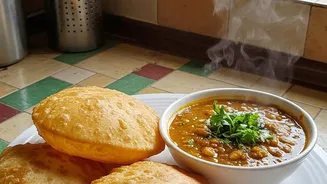
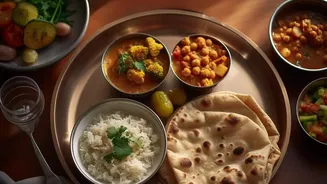
It's crucial to note that this trend is not about erasing centuries of culinary heritage. Many chefs and home cooks see fusion as a sign of culinary confidence—a belief that Indian cuisine is a living, breathing tradition that can interact with other cultures without losing its identity. The goal is to enhance, not overpower, the original taste. Often, the most beloved traditional dishes—the dal makhani, the fluffy puris, the perfect samosas—remain untouched. The fusion dishes act as complementary additions, a nod to the changing times and tastes. This approach ensures that older family members still find their comfort foods on the table while younger ones have something new to get excited about, creating a dining experience that bridges generations.