




The Office Worker's Fitness Paradox
Life for many professionals today involves long hours spent in a state of sedentary focus. Recognising the health risks of sitting, many dive headfirst into the most intense workouts imaginable—think high-intensity interval training (HIIT), heavy lifting,
and grueling boot camps. The intention is noble: to counteract a day of inactivity with a powerful burst of effort. However, this all-or-nothing approach often backfires. Going from zero to one hundred puts immense stress on a body unaccustomed to such demands, leading not to progress, but to exhaustion, injury, and a complete loss of motivation. This cycle is a fast track to burnout, where the very activity meant to improve well-being becomes another source of stress.
Understanding Overtraining Burnout
Overtraining isn't just about sore muscles; it's a state of chronic physical and mental fatigue. When you consistently push your body harder than it can recover, you enter a state of decline. Symptoms include persistent muscle and joint pain, a drop in performance, poor sleep quality, and even mood swings like irritability and anxiety. For an office worker already managing work-related stress, adding overtraining-induced stress can be the tipping point. Your body doesn’t distinguish between different types of stress. The elevated cortisol from a demanding job, combined with the physical stress of excessive exercise, creates a perfect storm for burnout, making you feel tired all the time and derailing your fitness journey.
The Sustainable Solution: Low-Intensity Cardio
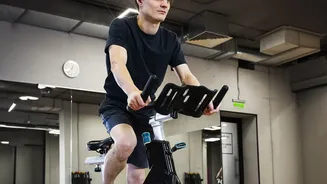
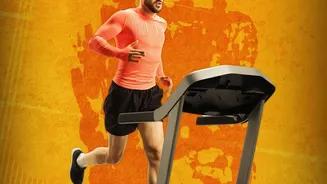
Enter Low-Intensity Steady-State (LISS) cardio. This is any form of aerobic exercise performed at a low to moderate intensity for a continuous period, typically 30 minutes or more. The golden rule of LISS is that you should be able to hold a conversation without gasping for breath. Think of a brisk walk, a casual cycle, light jogging, or using an elliptical machine at a steady pace. Unlike high-intensity workouts that leave you drained, LISS is energising. It improves your fitness without placing excessive strain on your joints, muscles, or central nervous system, making it a powerful tool for building a lasting exercise habit.
The Science of Gentle Progress
The magic of LISS lies in how it works with your body, not against it. During low-intensity exercise, your body primarily uses fat for fuel, which is a slow-burning, sustainable energy source. This process enhances your cardiovascular health by training your heart to pump blood more efficiently without excessive stress. Furthermore, LISS helps manage stress by reducing levels of the stress hormone cortisol, promoting mental relaxation. It improves muscle endurance, allowing you to stay active for longer periods, and boosts your body's ability to recover from both workouts and the general fatigue of a busy work week. It’s the perfect complement to a sedentary job, breaking up long periods of sitting and improving overall energy.
Making LISS a Part of Your Life
Integrating low-intensity cardio into your routine is straightforward and doesn't require a gym membership or fancy equipment. The goal is consistency, aiming for the recommended 150 minutes of moderate activity per week. You can start with a 30-minute brisk walk during your lunch break a few times a week. Other great options include cycling on flat terrain, swimming, or even using a rowing machine at a steady pace. For those who enjoy more intense workouts, LISS is an excellent form of active recovery on rest days, helping your muscles heal while still keeping you active. The key is to choose activities you genuinely enjoy, as this makes you more likely to stick with them for the long haul.