





What Did the Court Order?
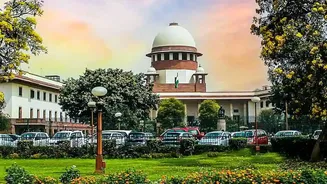
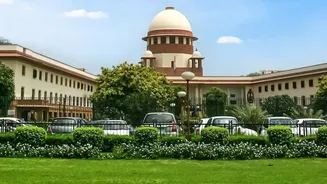
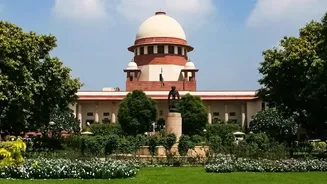
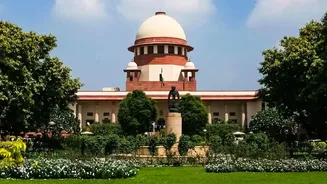
The Supreme Court of India has directed the Railway Board to extend travel insurance coverage to all passengers who purchase tickets from railway reservation counters. The order, issued by a bench of Justices Ahsanuddin Amanullah and R. Mahadevan, sets
a firm implementation deadline of October 27, 2026. The court stated that the Railway Board would be held directly responsible if this directive is not implemented on time. This decision came during proceedings related to railway safety, which were initiated following the tragic Odisha train accident in June 2023. The court expressed its displeasure at the lack of progress on this issue, despite earlier assurances from railway authorities.
The Online vs. Offline Divide
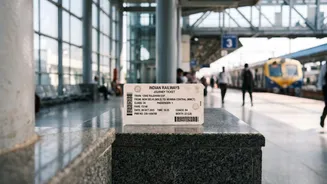
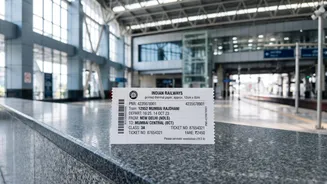
Until now, a significant gap existed in passenger services. Travellers booking their tickets online via the IRCTC website or mobile app had the option to add travel insurance for a nominal fee. However, this crucial safety net was unavailable to anyone buying a ticket physically at a station counter. The Supreme Court noted that this system disproportionately affected people from lower socio-economic backgrounds and those in remote areas, who are more likely to rely on offline ticketing. The court’s ruling aims to bridge this digital divide and ensure equal access to financial protection, regardless of how a ticket is purchased.
What the Insurance Typically Covers
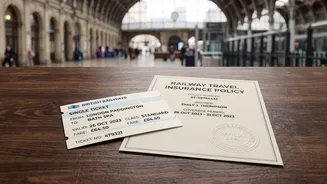
The existing optional insurance for online tickets, which will now serve as the model for counter bookings, provides substantial financial coverage for a very low premium. For just 45 paise per passenger, the scheme offers coverage up to ₹10 lakh for death or permanent total disability resulting from a train accident or other 'untoward incidents'. It also includes provisions for permanent partial disability, with compensation up to ₹7.5 lakh, and up to ₹2 lakh for hospitalisation expenses due to injuries. Furthermore, the policy provides ₹10,000 for the transportation of mortal remains. This insurance is separate from and in addition to the statutory compensation that the Railways is liable to pay under the Railways Act, 1989.
Why This Ruling Is a Game-Changer
This directive is a significant victory for millions of Indians who depend on railways for their travel needs but may not have access to or be comfortable with digital payment systems. By making insurance accessible at the counter, the court is promoting a more inclusive and equitable system of passenger care. While over 87% of reserved tickets are now booked online, the remaining percentage still represents a vast number of travellers who were previously left without this important financial safeguard. The ruling underscores a fundamental principle: passenger safety and access to benefits should not be dependent on one's digital literacy or access to the internet.
What Happens Next?
With the October 27 deadline looming, the Railway Board is now under immense pressure to create and implement a mechanism for providing insurance at thousands of ticket counters across the country. Key details, such as the exact premium for offline tickets and the procedure for issuing policies and handling claims, are yet to be clarified by the authorities. It remains to be seen how the Railways will manage the logistics of collecting passenger and nominee information at busy counters. Passengers should keep an eye on official announcements from Indian Railways for the final implementation details and instructions on how to avail this new facility starting late October.