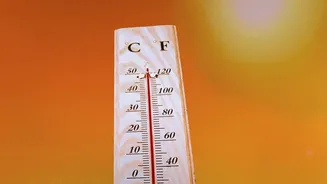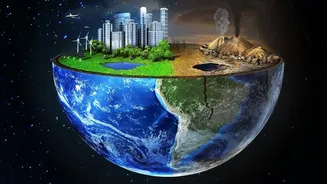





A series of sobering new reports from the United Nations confirms a harsh reality: global climate action is critically insufficient, and the goal of limiting warming to 1.5°C is no longer achievable without a temporary 'overshoot'.
The Sobering Diagnosis
In the weeks leading
up to the COP31 climate summit in Antalya, Türkiye, the United Nations Environment Programme (UNEP) and the UN Framework Convention on Climate Change (UNFCCC) have released their annual assessments. The primary report, the 'Emissions Gap Report 2026', for the first time states that decades of insufficient action make it unavoidable that the world will temporarily exceed the 1.5°C warming threshold set by the Paris Agreement. Current national policies have the planet on a trajectory for a dangerous 2.8°C of warming by 2100. The reports act as a crucial 'health check' on global climate efforts, measuring the gap between the promises countries have made and the actions required to prevent catastrophic climate change. This year, the diagnosis is grim, with UN Secretary-General António Guterres stating the 'emissions gap is now a leadership gap'.
Why 1.5°C is the 'Magic Number'
The 1.5°C target isn't arbitrary. It refers to limiting the rise in global average temperature to 1.5 degrees Celsius above pre-industrial levels (roughly 1850-1900). Scientific consensus, compiled in reports by the Intergovernmental Panel on Climate Change (IPCC), indicates that warming beyond this level drastically increases the risk of irreversible tipping points. These include the collapse of major ice sheets, the die-off of coral reefs, and the disruption of ocean currents that regulate weather patterns. Even the difference between 1.5°C and 2°C of warming has severe consequences, leading to more frequent and intense heatwaves, extreme rainfall, sea-level rise, and threats to food and water security for millions. For low-lying island nations, it is an existential threshold.
The Gap Between Promises and Reality
The core of the problem lies in the enormous gap between what is needed and what countries have pledged. To have a chance of limiting the 'overshoot' and returning to 1.5°C by the end of the century, global greenhouse gas emissions must fall by 45% by 2035 compared to 2025 levels. However, a UNFCCC synthesis of current national pledges—known as Nationally Determined Contributions (NDCs)—shows that even if fully implemented, they would only reduce emissions by about 11-15% by 2035. This leaves a massive 'emissions gap' of around 16 billion tonnes of CO₂ equivalent in 2035. The reports show that while many countries have climate policies, progress is far too slow, and emissions in key sectors are still heading in the wrong direction.
What 'Overshoot' Actually Means
With the 1.5°C goal breached, the conversation has shifted to managing a 'temperature overshoot'. This means global temperatures will rise above 1.5°C for a period before, theoretically, being brought back down through aggressive emissions cuts and carbon removal technologies. The UN reports now focus on the 'lowest possible overshoot pathway', which would see temperatures peak around 1.7°C to 1.8°C near mid-century before declining. But this is not a get-out-of-jail-free card. Every fraction of a degree and every year spent in overshoot territory increases the risk of triggering permanent, catastrophic changes to our climate system and inflicts greater damage on economies and vulnerable communities.
Is There Any Hope Left?
Despite the dire warnings, the UN reports stress that the window for action, though radically changed, has not closed entirely. The focus now is on damage limitation: making the overshoot as short and shallow as possible. The reports lay out a clear, albeit monumental, task. It requires tripling renewable electricity capacity by 2035, cutting coal power generation by at least 75% by the same year, and aggressively slashing methane emissions. There are positive signs; renewable energy capacity has grown faster than expected, and many countries are integrating climate action into economic policy. However, these bright spots are overshadowed by the overall lack of pace and scale, particularly in phasing out fossil fuels and halting deforestation. The path forward requires an unprecedented and immediate acceleration of political will and investment, far beyond anything seen to date.